

























Chengdu Awakening of Insects coverage draws focus to Jingzhe in chengdu

Recent coverage has spotlighted Awakening of Insects, known as Jingzhe, as the seasonal pivot when the year's first thunder signals the end of winter dormancy and the return of warmth; chengdu is among the keywords tied to that coverage. The renewed attention matters now because the term carries practical guidance for farming, food and healthy living as spring activity ramps up.
chengdu: What Jingzhe signifies
Jingzhe is the third of the 24 solar terms and is traditionally marked by the year's first thunder, which folklore says wakes insects. The term signals a rise in temperature and increased rainfall and is understood as a turning point from winter dormancy to renewed biological activity. That seasonal change is notable for agricultural timing: it indicates an important period for spring fieldwork and heightened vigilance among farming communities.
Chengdu seasonal customs and Jingzhe
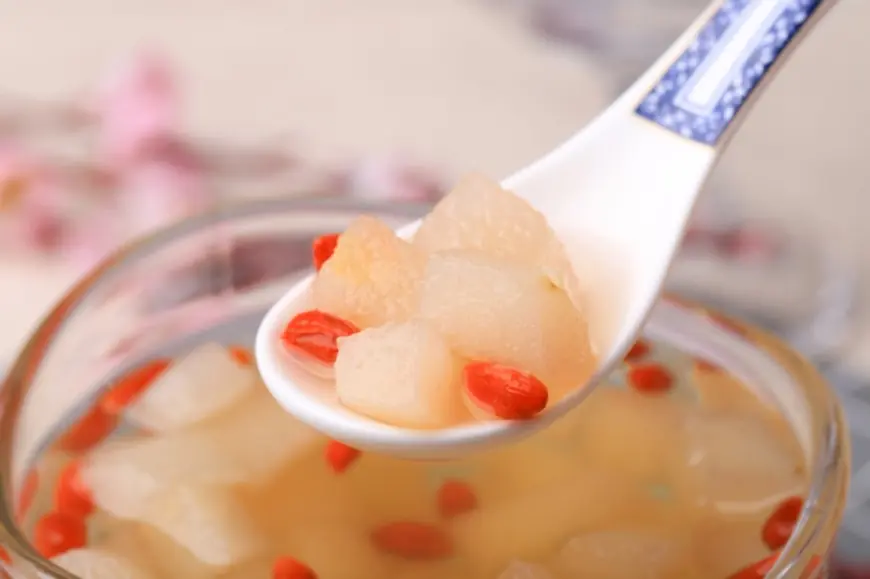
Recent pieces on the topic have highlighted cultural and dietary customs tied to Jingzhe. One recurring motif is the symbolic role of pears: eating pears during this time is presented as a gesture meant to drive away pests and support the health of the coming harvest. Coverage has also emphasized that each solar term carries specific foods, ceremonies and healthy-living tips that remain relevant in modern practice.
Pears, farming vigilance and exercise
Practical guidance in the coverage spans three distinct threads. First, for farming communities Jingzhe signals renewed vigilance over pests and preparation for spring planting. Second, dietary notes underscore pear consumption as a seasonal custom associated with pest prevention and harvest care. Third, Jingzhe is framed as a favorable time for outdoor exercise, with features encouraging people to take advantage of the warming weather to boost vitality.
Analysis: The emphasis in recent features ties seasonal symbolism directly to actionable habits—field readiness, dietary choices and physical activity—reflecting how the 24 solar terms continue to inform daily life. Because Jingzhe is identified with rising temperatures and increased rainfall, agricultural and personal-health recommendations during this term are logically timed to those observable indicators.
Forward look: If the pattern of warmer, wetter weather associated with Jingzhe continues, the period ahead is likely to remain important for spring agricultural tasks and outdoor routines. Conversely, if expected temperature and rainfall changes do not materialize, the timing and effectiveness of traditional practices may be less aligned with local conditions; that uncertainty is not publicly confirmed in the recent coverage and would require local observation.
Key takeaways:
- Jingzhe, the Awakening of Insects, marks spring’s first thunder and an end to winter dormancy.
- Pears are highlighted as a symbolic seasonal food tied to pest control and harvest protection.
- The term encourages farming vigilance and is presented as a good time for outdoor exercise.