

























Iran Attack Triggers Alert at Australia’s Nuclear Emergency Centre

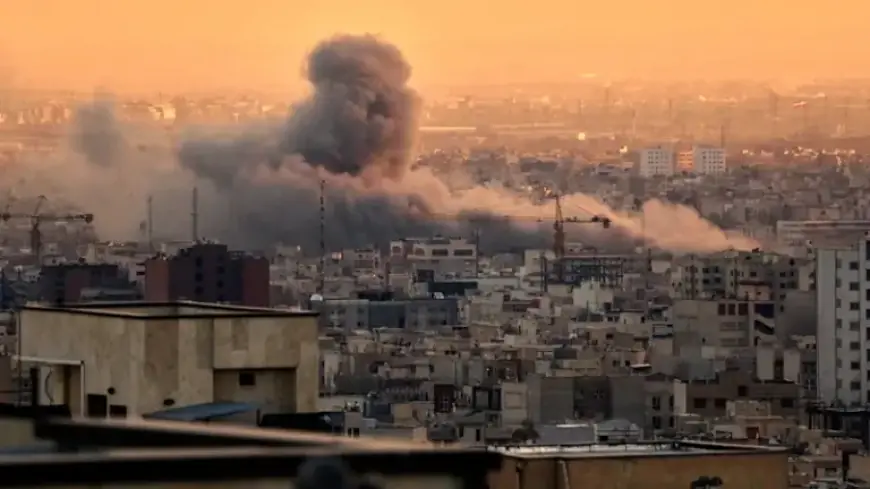
The recent escalation of conflict between Israel, the United States, and Iran has prompted Australian authorities to take precautionary measures. The Australian Radiation Protection and Nuclear Safety Agency (ARPANSA) has placed its Radiation Emergency Coordination Centre (RECC) on heightened alert. This decision underscores the concerns about potential radiation risks that could affect Australia amid the ongoing tensions.
Alert Status of Australia’s Nuclear Emergency Centre
The RECC, located in Melbourne, is Australia’s primary federal nuclear incident facility. It has been activated to monitor any global radiation threats continuously. This move comes as the ongoing military actions in the Middle East raise alarms about international nuclear safety.
International Concerns Over Nuclear Threats
The UN’s nuclear watchdog has expressed concerns that military strikes could lead to mass evacuations in the region, should any nuclear facilities be struck. ARPANSA confirmed that its specialists are monitoring the situation closely and will provide necessary advice to the Department of Foreign Affairs and Trade (DFAT) as the lead agency for addressing this conflict.
- ARPANSA’s RECC will conduct plume modeling and offer contamination advice.
- The agency acts as a national capability to evaluate potential radiological risks.
- Recent actions have raised fears of a wider regional confrontation involving nuclear capabilities.
Background on the Conflict
The tensions escalated with recent US-led strikes on Iranian military sites, prompting Iran to retaliate with missile strikes. The situation has caused an increase in regional conflict, impacting multiple countries, including Bahrain, Jordan, Lebanon, and Saudi Arabia.
In response to these developments, Australian Prime Minister Anthony Albanese affirmed government support for actions taken to curb Iran’s nuclear ambitions. He emphasized that Iran’s nuclear program poses a significant threat to global peace and security.
Global Reactor Risks
During a meeting of the International Atomic Energy Agency (IAEA) in Vienna, director-general Rafael Grossi reiterated the dangers associated with the conflict. He noted that while radiation levels remained normal outside affected areas, the potential for radiological release is significant, necessitating preparedness for possible evacuations.
Many countries involved in the conflict, including Iran, have facilities that utilize nuclear technology. Grossi urged restraint in military operations to prevent jeopardizing nuclear safety standards in the region.
Conclusion
As the situation unfolds, the RECC remains on alert to address any emerging radiation concerns. Australian authorities are taking proactive steps to ensure that citizens are informed and prepared amidst rising geopolitical tensions. Regular updates will be vital as the international community navigates this complex crisis.