

























Dodgers vs Mexico Score: Los Angeles Holds Off Late Rally To Win 7-5 In WBC Tune-Up

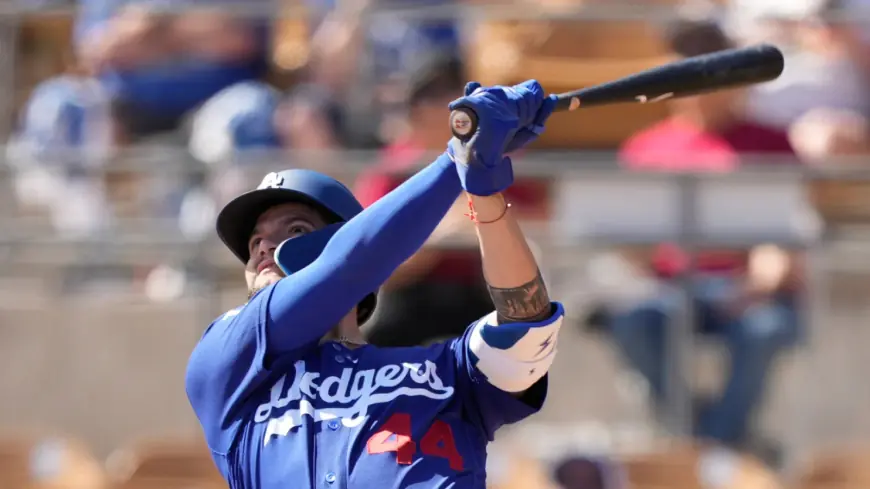
The dodgers vs mexico score finished 7-5 on Wednesday, March 4, 2026, as Los Angeles used a three-run eighth inning to break a late tie and edge Team Mexico in a World Baseball Classic exhibition that played more like a real game than a spring training curiosity. Mexico landed early punches, the Dodgers answered with timely extra-base hits, and both sides treated the middle innings like a preview of how quickly momentum can swing once the WBC games start counting.
If you were looking for a simple takeaway, it’s this: the Dodgers’ depth showed up at the exact moment Mexico’s bullpen blinked, and Mexico’s lineup showed enough fight to make the result feel earned rather than gifted. The scoreboard says exhibition; the competitive temperature said otherwise.
Mexico vs Dodgers Score By Inning: How The 7-5 Took Shape
Mexico and Los Angeles traded control in waves, and the inning-by-inning shape explains why the game felt tense even before the late drama.
The Dodgers struck first with two runs in the second, taking advantage of early traffic and turning it into a quick lead. Mexico responded with its loudest inning in the third, posting three runs to jump ahead and remind everyone that this roster isn’t showing up merely to take photos in big-league parks. Los Angeles immediately answered with two in the bottom of the third, a classic counterpunch that kept the game from settling into a scripted “big-league team cruises” narrative.
From there, the scoring slowed into the kind of chess match managers actually want in March: pitchers cycling through roles, hitters seeing different looks, and teams testing whether their secondary plans hold when the first plan isn’t available. Mexico added one in the fifth to keep the pressure on. The Dodgers didn’t blink, but they also didn’t separate—until the eighth, when Los Angeles finally created daylight with three runs that flipped the outcome for good.
Mexico still had one more push in the ninth, adding a run to narrow the margin and force Los Angeles to get real outs rather than handshake outs. That last inning mattered because it preserved the game’s central theme: Mexico wasn’t there to politely lose.
Dodgers vs Mexico: The Big Swings That Mattered
The early highlight was Andy Pages, who put Los Angeles on the board with a solo home run that gave the Dodgers a jolt of energy and, more importantly, a clean signal that their hitters were ready to punish mistakes even in a loosely structured exhibition environment. Pages didn’t just flash power; he set the tone for the Dodgers’ night—aggressive, damage-oriented at-bats rather than passive spring training swings designed to “get work in.”
Another pivotal offensive moment came from Dalton Rushing, whose extra-base damage helped convert opportunities that can otherwise evaporate in March when lineups are constantly rotating. In a game like this, the difference between a rally and a stranded inning is usually one hard-hit ball, and the Dodgers got those swings at the right times—especially late, when Mexico was trying to bridge innings with pitchers who will be leaned on heavily once WBC pool play ramps up.
Mexico, meanwhile, didn’t rely on one fluky inning. The three-run third was built on the kind of sequencing that travels: base runners, pressure, and contact in spots where a defense can’t relax. Even after surrendering the lead back, Mexico stayed connected to the game and kept generating chances—exactly what a national team wants to prove before the tournament begins.
What The Win Means For The Dodgers
For Los Angeles, the win was less about bragging rights and more about reassurance. WBC exhibitions can be awkward: major leaguers are trying to ramp up without overreaching, pitchers are focused on specific pitch goals, and managers are balancing health with competitiveness. The Dodgers still found a way to win a game that tightened late, which is a small but meaningful sign that their depth is functional under pressure.
The other quiet positive for the Dodgers is that a game like this forces situational reps that normal spring training often fails to produce. Late leverage, late substitutions, real baserunning decisions, and at-bats that matter because the opponent is fully engaged—those are the building blocks of regular-season sharpness. If you’re Los Angeles, you’d rather get that stress test now than discover in April that your “spring results” didn’t include enough real discomfort.
What It Means For Team Mexico Heading Into The WBC
For Mexico, a 7-5 loss can still be useful—sometimes more useful than a sleepy win. The offense showed it can score in bunches against big-league arms, and the team proved it won’t fade when momentum turns. That matters because the WBC is less forgiving than MLB: fewer games, less time to correct, and more volatility in who gets hot at the right moment.
The concern area is also clear: late pitching execution. The eighth inning is the kind of frame that becomes a referendum on bullpen readiness, and Mexico will want to tighten how it sequences relievers and how quickly it goes to its best available option when a game starts tilting. In tournament baseball, waiting one batter too long can be the difference between advancing and flying home.
What Comes Next
This matchup offered a preview of the two truths that define March tournament baseball:
-
Depth wins innings—and the Dodgers used theirs late.
-
Urgency reshapes everything—and Mexico played with the urgency of a team that expects to matter once the bracket pressure arrives.
If you’re tracking results only, the headline is simple: Dodgers 7, Mexico 5. If you’re watching for meaning, the headline is broader: both teams looked like they understood the assignment, and the game did exactly what a WBC warmup is supposed to do—expose what’s ready, and what still needs tightening before the real stakes begin.