























Aaron Spencer Wins GOP Nomination for Lonoke County Sheriff While Awaiting Murder Trial

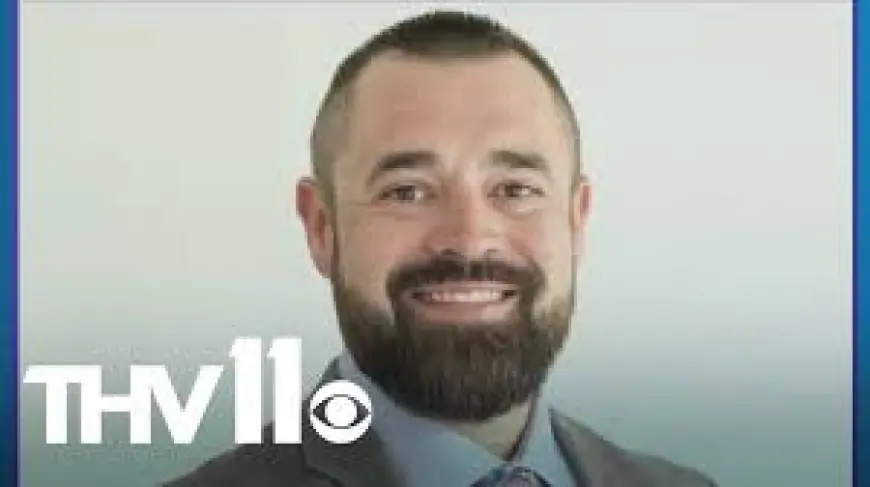
aaron spencer, who is awaiting trial on a murder charge, captured the Republican nomination for Lonoke County sheriff after winning more than 53% of the vote with all precincts reporting. The outcome matters now because his pending criminal case and bond status raise immediate questions about whether he could assume office if convicted.
Aaron Spencer’s victory over Sheriff John Staley
Spencer defeated incumbent Lonoke County Sheriff John Staley in Tuesday’s primary, securing a majority in the GOP contest. The Arkansas secretary of state posted the unofficial results showing Spencer with just over 53% of the vote, and Staley conceded the race. The margin concluded a campaign in which Spencer argued local law enforcement had failed the community, a theme that appears to have resonated with voters in this predominantly Republican county.
Spencer’s campaign has promised concrete changes—he pledged on social media to form a dedicated team to combat sex crimes against children—an initiative he put forward after the October shooting that prompted his arrest. He now moves on to the November general election, where he will face Democrat Brian Mitchell Sr.
Michael Fosler shooting, criminal status and court timeline
The Republican nominee remains under criminal indictment in connection with the October shooting death of Michael Fosler, 67. Court records show Spencer’s attorneys do not deny that he shot Fosler but contend he acted to protect his then-13-year-old daughter from an alleged predator. Fosler had been out on bond at the time while facing multiple sexual-offense charges tied to the girl.
Spencer was arrested in 2024 and has pleaded not guilty; he is out on bond pending trial. The case was originally scheduled to begin in January, but the trial was delayed after the presiding judge was removed from the case. A new trial date has not been set. Prosecutors and defense filings outline that on the night of the shooting Spencer found his daughter in the passenger seat of a vehicle driven by Fosler, forced the truck off the highway after an altercation, and then contacted 911 to report he had shot the man.
Legal implications for Lonoke County leadership and election consequences
If Spencer is convicted of murder, he would be ineligible to serve as sheriff. That legal reality creates a direct cause-and-effect pathway from the criminal case to county governance: the unresolved trial could prevent the man voters nominated from taking the responsibilities of the office he sought. The timing matters because without a set trial date the county faces uncertainty about whether the person it nominated will be able to assume the role after the November election.
Staley’s concession acknowledged the voters’ decision and closed the primary chapter, but it did not resolve the legal cloud over the nominee. Spencer’s attorneys and his campaign did not immediately provide additional comment after the election outcome. The Arkansas secretary of state’s reporting of all precincts marked the contest as complete on the party side, setting up a fall matchup in a county where party affiliation strongly influences electoral prospects.
What makes this notable is how a criminal case intersected with local political dynamics: a candidate running on a platform built around perceived law-enforcement failures prevailed at the ballot box while simultaneously contesting felony charges that could bar him from holding office. Voters have nominated him, but the legal system will determine whether he can serve.
For now, Spencer remains a nominee on bond, facing an unresolved trial and preparing for the November general election against Brian Mitchell Sr., while Lonoke County braces for the legal and administrative questions that will follow whatever outcome the courts produce.