






















Douglas Luiz Return as a Mid-Season Inflection Point That Could Reshape Villa’s Midfield Momentum

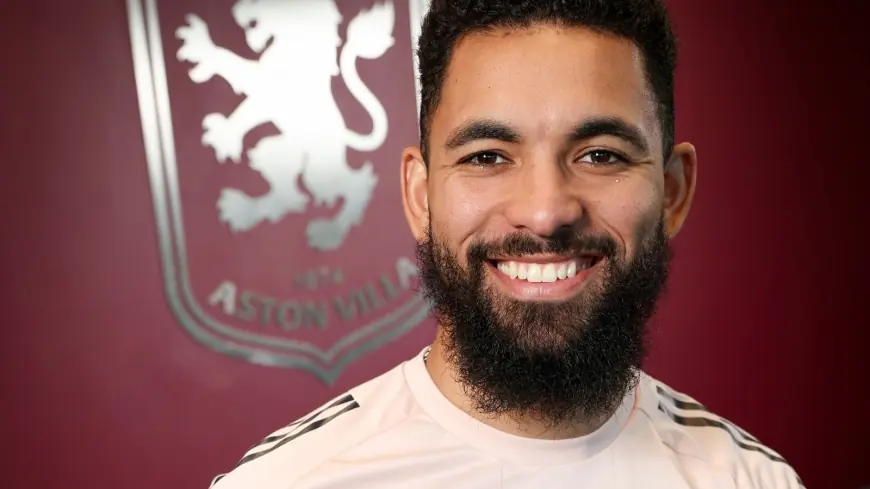
The immediate consequence of douglas luiz’s return is clear: Villa gain a familiar midfield option at a moment of squeeze, with the team third in the table and three midfielders sidelined. He arrives ready to rebuild form and to slot back into a possession and pressing system he already knows, which could reduce tactical disruption and ease short-term rotation demands while he readapts to new teammates.
Douglas Luiz and the short-term consequences for Villa’s midfield
Here’s the part that matters: the club brought him back because the manager judged him the best available fix for a midfield gap created by injuries. That decision shifts the immediate selection map—expect a player who knows the coach’s demands to be prioritized for minutes as the team manages league and European load. The most tangible change is depth: the squad moves one player from fringe to frontline utility almost overnight, and that reduces pressure on makeshift pairings that had been covering while several regulars recovered.
What’s easy to miss is how the reunion blends practical need with tactical familiarity. The player himself says he missed the club environment and the coach’s methods, and the manager highlights a shared understanding of possession and pressing. That shared language shortens the reintegration curve compared with bringing in an unfamiliar recruit mid-season.
How the return unfolded and what it reveals about readjustment
The backdrop is straightforward: the midfielder left for a major transfer when he was 26, then spent 18 months away with a loan spell that was hampered by injury and a reduced role—only five league starts and more appearances as an unused substitute. Return happened because the team suffered absences and the manager identified him as the right option to fill the gap. He has rejoined ready to play, and the coaching staff are using meetings, video work and individual sessions to accelerate his progress.
- Mini timeline: left the club after a high-profile transfer; spent roughly 18 months on loan with limited starts; returned mid-season to a club positioned near the top of the table and with midfield injuries creating immediate need.
Reintegration will not be automatic. He acknowledges adaptation was a challenge while away; the manager stresses progressive improvement is expected, with targeted individual work and tactical reminders in meetings. Supporters have reacted positively to the return, reinstating familiar encouragements when he receives the ball.
- Key takeaways:
- Immediate effect: bolsters depth at a critical moment and offers tactical continuity in possession and pressing phases.
- Reintegration path: accelerated by familiarity with the coach but tempered by the need to sync with some new teammates.
- Risk factor: prior injury and reduced status during the loan make steady minutes and tailored sessions essential.
- Practical signals to watch in coming matches: minutes and starts, visible comfort in possession, and whether video/individual work translates to match contributions.
The real question now is how quickly douglas luiz converts that club-and-coach familiarity into consistent performances. If the individual preparation translates into match rhythm, the team gains a stabilizing presence; if adaptation stalls, the manager must ration minutes and explore alternative midfield shapes.
Editorial aside: The bigger signal here is that mid-season returns still depend less on headline value and more on fit—familiarity with tactical demands and a clear plan for reintroduction often matters more than reputation alone.
In short, this move tilts the balance toward a pragmatic fix rather than a gamble. Minutes and visible on-field chemistry will be the clearest indicators of whether this mid-season switch is an inflection point or a temporary patch; details may evolve as the player rebuilds match fitness and syncs with the current squad.