

























2026 F1 Car Regulations: Key Changes and Racing Impact Explained

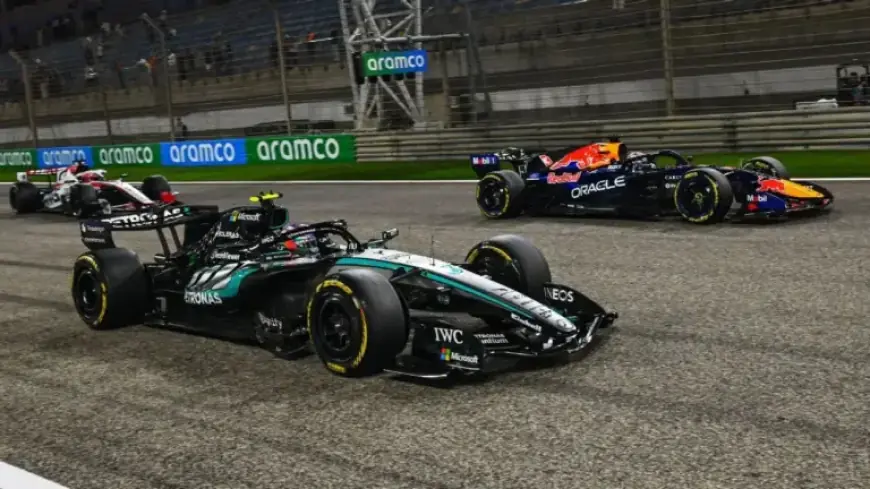
Formula 1 is experiencing a paradigm shift with the introduction of the 2026 car regulations. This overhaul marks one of the most significant changes in the sport’s history, affecting various aspects of the vehicles, including power units, aerodynamics, tires, and sustainability. The new rulebook is designed to lead Formula 1 into a more sustainable future while enhancing the racing experience.
Key Changes in the 2026 F1 Car Regulations
Power Units
The heart of the new 2026 regulations lies in the redesign of power units. Cars must now achieve a 50/50 power split between sustainable fuels and electric energy. The energy recovery system (ERS) has seen a significant enhancement, with its motor generator unit – kinetic (MGU-K) power increasing from 120kW to 350kW. Meanwhile, the internal combustion engine (ICE) power has been reduced from roughly 550kW to approximately 400kW.
- MGU-K now delivers 469 hp.
- Battery energy storage limited to 4 MJ.
- Energy recovery can reach 8-9 MJ per lap.
Car Weight and Dimensions
The 2026 regulations mandate lighter and smaller cars, introducing the “Nimble Car Concept.” The changes include a 20cm reduction in wheelbase and a 30kg decrease in weight to a new minimum limit of 770kg. This aims to improve maneuverability and enhance race dynamics.
Active Aerodynamics
New aerodynamic rules introduce two wing settings for cars, focused on reducing drag during straight-line racing. This feature is actively controlled from the cockpit, allowing for rapid adjustments to optimize performance in different racing scenarios.
Overtaking Mechanisms
The overtaking system has shifted from DRS to an “overtake mode.” This new feature prioritizes electrical powers for overtaking rather than merely reducing drag, offering drivers increased power access to enhance overtaking opportunities at any point on the track.
Improved Tyres
Pirelli’s new tyres for the 2026 season are narrower, allowing for reduced drag and weight while retaining the same 18-inch wheel size. The total range of compounds available has decreased from six to five, aiming for increased performance gaps and more strategic racing.
Advanced Sustainable Fuels
The 2026 regulations also introduce a shift towards advanced sustainable fuels. These new fuels must not increase atmospheric carbon levels and should be produced via renewable methods. The FIA’s goal is to achieve net-zero emissions in motorsport by 2030.
Impact on Racing
These changes are anticipated to have a significant impact on race dynamics. Drivers will need to navigate energy management carefully, especially with the limited battery capacity affecting performance during critical race moments. The reduction in drag and weight, coupled with advanced aerodynamics, may enhance overtaking and wheel-to-wheel racing, improving the overall spectacle of the sport.
As Formula 1 embraces these complex revisions, followers of the sport are encouraged to familiarize themselves with the new regulations. Understanding these dynamics will enhance the viewing experience, making the race for the championship an engaging and thrilling prospect.