
























Australian ISIS Brides Stranded in Dire Conditions

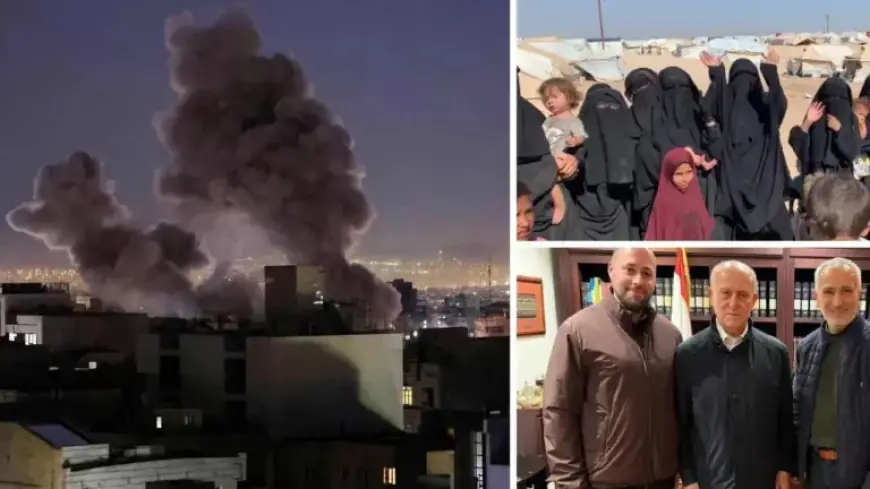
The situation for Australian citizens, specifically women and children, stranded in Syria has become increasingly dire. Amid a backdrop of escalating conflict in the region, these individuals remain in the Al-Roj detention camp, where conditions have been characterized as bleak and hazardous.
Current Situation of Australian ISIS Brides and Children
Dr. Jamal Rifi, an Australian GP and prominent member of the Muslim community, has been leading efforts to repatriate 11 women and 23 children from the camp since 2019. Unfortunately, a recent attempt to facilitate their exit was thwarted, as their convoy was turned back just 50 kilometers from the facility.
In light of both the hostilities in the area and political pressures at home, Dr. Rifi’s efforts are currently suspended. He expressed the uncertainty surrounding future repatriation attempts due to the volatile situation. “It’s not safe for them to be outside the camp,” he remarked, highlighting the precariousness of the conditions.
Conditions Inside the Al-Roj Detention Camp
The Al-Roj camp is located near the Syrian border and has been described as lacking basic amenities and suitable living conditions. The Australian citizens are compelled to live under tarpaulin tents, exposed to severe temperatures ranging from extreme cold in winter to intense heat in summer.
- The camp is devoid of greenery, often described as merely “dust and wind.”
- Children, now aged between six and thirteen, often sleep on the ground.
- Communication with the outside world is limited to sporadic messages sent via smuggled phones.
Health Issues Reported
Dr. Rifi has been receiving updates primarily concerning medical issues affecting the individuals in the camp. Common ailments reported include:
- Panic attacks in children
- Chilblains
- Recurrent tonsillitis
- Asthma
- Sunstrokes
He emphasized that he has not engaged in discussions about political views or radicalization, focusing solely on the medical needs of these individuals.
Political Backlash and Public Sentiment
The plight of these Australian women and children has sparked intense debate within Australia. Prime Minister Anthony Albanese expressed strong objections to their potential return, stating he has “nothing but contempt” for those who brought children into conflict zones associated with ISIS. Meanwhile, the Home Affairs Minister Tony Burke has distanced the government from Dr. Rifi’s private efforts.
Despite the challenges, Dr. Rifi has continued to advocate for the families in the camp. He pointed out that sufficient time has passed for Australian authorities to consider repatriation, especially as security experts suggest that monitoring these individuals in Australia would be a safer option.
Legal and Humanitarian Efforts
In his pursuit to aid the families, a legal team has worked pro bono to secure renewed passports for the children, with Dr. Rifi personally covering some costs. Notably, he mentioned handling a passport for Yusuf Zahab, a young man who was taken to Syria as a child and is currently believed to be in Iraq.
Through ongoing activism and communication efforts, Dr. Rifi seeks not only to improve the living conditions of these individuals but also to highlight the broader humanitarian implications of their current plight.