

























Detroit Automakers Prepare for Impact of U.S.-Iran Conflict Strikes

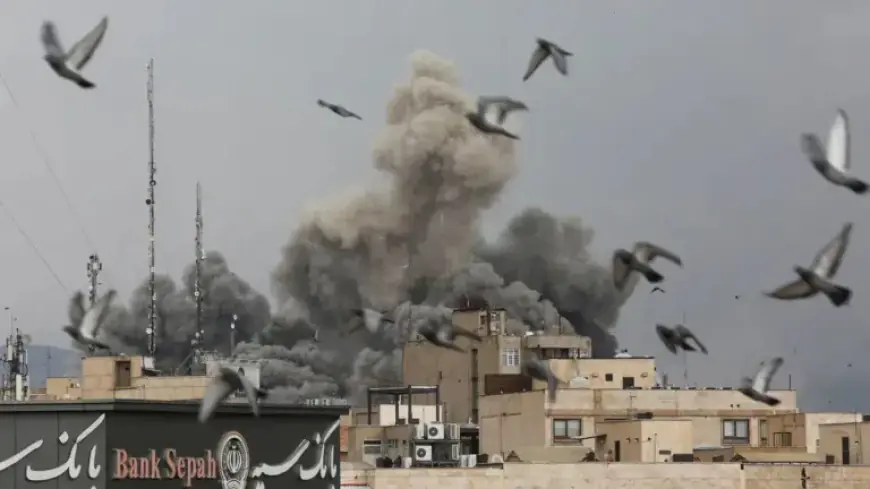
The escalating conflict in Iran is capturing the attention of major Detroit automakers, including Ford, General Motors, and Stellantis. Analysts are expressing concern about potential repercussions on oil prices, supply chains, and consumer vehicle demand as tensions rise in the Middle East.
Key Concerns Regarding the U.S.-Iran Conflict
Analysts warn that a sustained conflict could significantly disrupt oil supplies, which could lead to soaring gasoline prices. This situation might shift consumer preferences towards electric vehicles (EVs). The primary threat to the Detroit Three lies in supply chain disruptions rather than direct sales in Iran.
- Oil prices could spike, increasing demand for EVs.
- Stellantis may be most affected due to its current focus on gasoline and hybrid models.
- Ford and GM are also closely monitoring the situation for potential impacts on operations.
Recent Military Actions
U.S. military operations have escalated, including airstrikes targeting Iranian leadership. The conflict has already seen retaliation from Iran, which threatens U.S. interests in the region. President Donald Trump has publicly warned about the dangers posed to U.S. military personnel and called for changes within the Iranian government.
Detroit Automakers’ Operations in the Middle East
Ford, GM, and Stellantis are evaluating their operations in response to the current turmoil:
- Ford is monitoring the situation but has not changed its operations in the Middle East.
- GM is focused on employee safety while tracking developments closely.
- Stellantis has not publicly commented on potential impacts from the conflict.
Stocks for all three automakers took a hit following military actions, reflecting market concerns about their operations. As of recent trading, Ford’s shares fell by 4.04%, GM’s by 3.76%, and Stellantis’s by 5.82%.
Impact on Oil Prices and Supply Chains
Experts cite that 22% of the world’s oil passes through the Strait of Hormuz. Any conflict escalation could threaten this vital shipping route, leading to increased oil prices—predicted by some analysts to reach up to $100 a barrel. This spike would significantly affect the automotive industry and consumer behavior:
- Analysts believe the U.S. might be insulated from severe impacts due to its heightened domestic oil production.
- Ford and GM have had limited vehicle sales in Iran due to sanctions, while Stellantis remains the primary western brand present in the country.
Future of Electric Vehicles
Rising gasoline prices may boost EV demand. Ford and GM have committed to expanding their EV lineups, offering a forecast for a potential shift in consumer preference. Ford’s strategic pivot towards hybrid models has been underscored by significant investments.
Stellantis, alongside competitors like Hyundai and Toyota, is poised to benefit from increased EV adoption. Industry analysts suggest that sustained higher fuel prices will further encourage manufacturers to accelerate their transition to electric vehicles.
Conclusion
The Detroit automakers are on high alert as the U.S.-Iran conflict intensifies. Oil price fluctuations and potential supply chain interruptions underscore the need for vigilance. As the industry adapts, it may see a surge in electric vehicle sales, reshaping market dynamics moving forward.