
























Trump Predicts Imminent US-Israel Joint Attacks on Iran

The recent escalation in the Middle Eastern conflict has drawn significant international attention. Former U.S. President Donald Trump has indicated that a substantial military response from the United States and Israel against Iran is forthcoming. The uncertainty in leadership following the death of Iran’s Supreme Leader, Ayatollah Ali Khamenei, adds to the complex dynamics of this situation.
Key Developments in the U.S.-Israel Conflict with Iran
Trump’s Predictions and Military Objectives
Trump has described the current military actions as just the beginning, referring to a “big wave” of attacks. He stated that the U.S. has four primary objectives regarding Iran:
- Destruction of Iran’s missile capabilities.
- Annihilation of the Iranian navy.
- Preventing Iran from acquiring nuclear weapons.
- Disruption of Iran’s support for terrorist groups.
Military Actions and Casualties
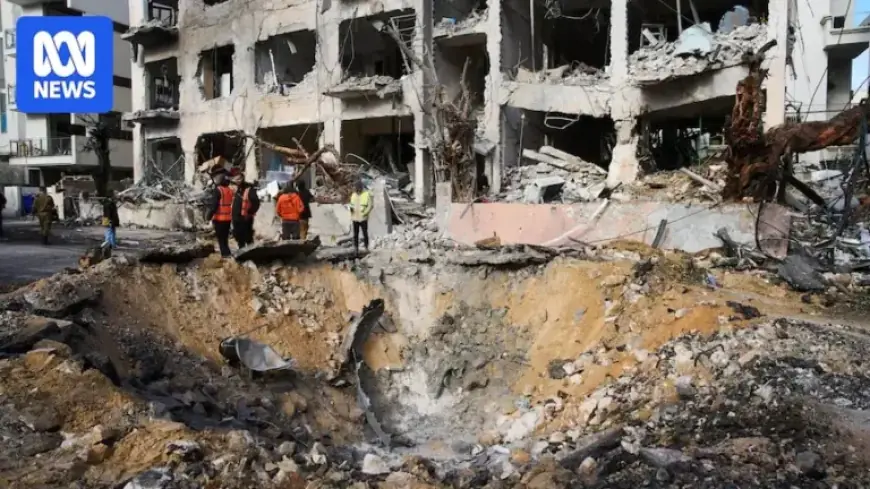
The conflict has seen a rising death toll, with reports indicating at least 1,500 fatalities in Iran, including 200 civilians. Human rights organizations have struggled to verify these figures due to an internet blackout imposed by the Iranian government.
Israeli airstrikes targeting Hezbollah in Lebanon resulted in civilian casualties, with the Israeli military striking over 70 locations. Responses from Iran included missile attacks on Israel, further escalating tensions.
International Flight Disruptions
As military operations continue, the conflict has severely impacted global aviation. More than 4,000 flights have been canceled over three days, with major hubs in Dubai and Doha remaining closed. Jordan has also partially closed its airspace as a precaution.
Market Impact and Economic Concerns
The ongoing conflict has caused a surge in global oil prices and may trigger stagflation worldwide, according to economists. The disruptions in the Strait of Hormuz, a critical oil transport route, are particularly concerning as they could lead to significant economic consequences across many nations.
Calls for Peace and Mediation
Turkish President Recep Tayyip Erdogan has urged for an end to the hostilities and offered to mediate a ceasefire between the conflicting parties. His comments emphasize the desire for stability in a region increasingly fraught with conflict.
Ongoing U.S. Military Operations
U.S. Secretary of Defense Pete Hegseth noted that the military operation’s duration is up to decisions made by Trump, with no current troop presence documented in Iran. Military responses continue as Trump asserts that operations are progressing faster than predicted.
Global Reactions
Various nations have expressed their positions regarding the conflict. UK Prime Minister Sir Keir Starmer indicated that Britain would not participate in strikes but would take defensive actions in the Gulf. Starmer emphasized the need for lawful and well-planned military actions based on lessons learned from previous conflicts.
The situation remains fluid, with ongoing developments likely to influence geopolitical relations and regional stability in the Middle East.