
























B1 Bomber Mentioned as U.S. Strikes Hit More Than 1,000 Targets on First Day

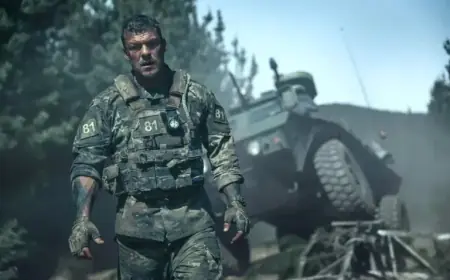
U. S. military officials say more than 1, 000 targets in Iran were struck on the first day of a coordinated campaign that employed naval platforms, explosive drones and stealth bombers, and that resulted in the destruction of a Revolutionary Guard headquarters and the first American casualties. The B1 Bomber appears in public descriptions of the high-tech hardware linked to the operation, underscoring the scale and variety of systems used.
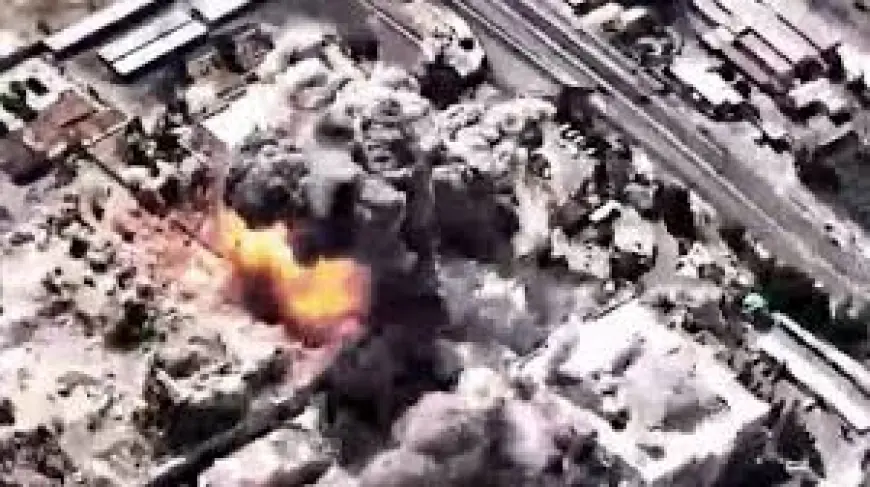
Revolutionary Guard HQ Destroyed
Officials have confirmed that one of the significant outcomes of the initial strikes was the destruction of a Revolutionary Guard headquarters. That action is presented alongside the larger tally: more than 1, 000 targets hit during the campaign’s opening day. The sequence presented by military authorities links the strikes—delivered through a mix of sea-launched, remotely piloted and air platforms—to measurable effects on Iranian infrastructure and command sites.
The campaign’s human cost was noted as well: public accounts describe the emergence of the first American casualties connected to the operation. While exact casualty figures were not released in the initial statements, the acknowledgement of U. S. personnel harmed marks a consequential escalation in the immediate aftermath of the strikes.
B1 Bomber and Other High-Tech Hardware
The U. S. effort has been described as employing warships, explosive drones and stealth bombers to carry out a densely packed first day of attacks. References to the B1 Bomber appear in coverage of the hardware involved; however, military summaries emphasize aggregate results—more than 1, 000 targets struck—rather than itemizing every platform used.
That mix of maritime, unmanned and aerial systems helps explain how so many targets were struck in a single day: sea-launched weapons and explosive drones can reach coastal and near-shore objectives, while stealth aircraft allow for deep-access strikes. The result was a rapid, multi-domain effect that military officials credit with degrading selected Iranian capabilities and command nodes.
What makes this notable is the coordination across distinct weapon systems to produce a high-volume strike profile within a limited timeframe, yielding both physical destruction—such as the Revolutionary Guard headquarters—and American casualties that signal immediate operational risks.
Military spokespeople framed the initial 24-hour period as a concentrated application of U. S. combat power directed at specific targets. The combination of more than 1, 000 strikes and the noted loss of a guarded command facility underscores the campaign’s immediate tactical objectives: to strike a broad array of targets while seeking to neutralize key organizational assets.
As the situation develops, the official emphasis remains on the tally and effects of those first-day strikes. U. S. military officials have presented the numbers as a measure of scope; the destruction of a Revolutionary Guard headquarters and the confirmation of the first American casualties provide concrete markers of impact on both sides.