
























Pokopia Review: A Pleasant Paradise for Players Who Prefer Cozy, Collectible-First Adventures

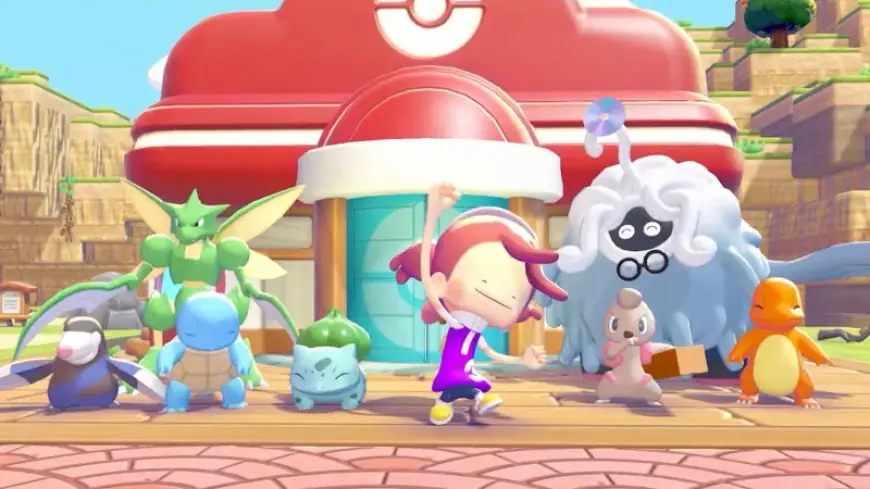
Who notices first when a Pokémon game stops being about fights and starts being about fixing the world? For players chasing calm, collection and community, pokopia shifts the series’ familiar checklist into a slow, restorative loop. It matters because the game replaces battle-driven progression with nearly endless tasks to rebuild towns, re-populate biomes and stitch together a post-apocalyptic region — and that change reshapes how fans will spend their hours.
Why Pokopia lands with fans who want a gentler loop
Pokopia reframes the franchise’s checklist mentality — the old “Gotta Catch ‘em All!” impulse — by stripping conflict and emphasizing tasks that improve towns and the happiness of Pokémon. The result is a laid-back simulation that leans hard on collection but redirects the purpose: instead of fighting to advance, you revitalize an abandoned world. Players who prefer slow accumulation, base-building and communal progression are the first to feel the impact.
How the game’s loop is built and where it borrows from other cozy sims
The gameplay loop intentionally blends design elements from Dragon Quest Builders, Animal Crossing and Minecraft: gather resources, recruit helpers and reshape environments. You tackle nearly endless objectives to rebuild areas, and the loop rewards exploration and repeat tasks that improve towns until a biome goes from brown and empty to green and bustling. That visual and mechanical payoff is central to the pleasure Pokopia offers.
Story beats and characters: Ditto, Professor Tangrowth, and the missing humans
In the playable narrative you control a Ditto who awakes with no trace of their trainer and becomes a customizable facsimile of a human. Humanity has abandoned the Pokémon world, leaving the region lonely, barren and desolate. One Pokémon, a Tangrowth who takes the name Professor Tangrowth, guides you through the main narrative by handing out tasks meant to reinvigorate the area and ideally attract missing humans back. The story includes a string of mysteries — why people fled, why the world fell into disrepair, and who the strange variant-looking Pokémon are — which creates a throughline that keeps exploration feeling meaningful.
Town rebuilding, roles, resources and traversal
Revitalization centers on rebuilding each town’s Pokémon Center. That requires gathering resources and recruiting local Pokémon to fill specialized roles such as bulldozing and building. Because each Pokémon has specialties, you must assign befriended creatures to the right tasks and collect materials before construction can proceed. The design pushes you to fully explore areas and often produces a lot of running back and forth, though the game offers rail networks to ease traversal once established. That open-ended resource loop is occasionally at odds with the scripted requests that advance the narrative.
Requests, pacing friction and lingering oddities
Each environment culminates in important requests — area-specific tasks like summoning a rainstorm or throwing a party — which serve as the primary way to push the overarching story forward. However, these requests often require specific Pokémon and resources, which can put players on rails more than some cozy-game fans prefer. The reviewer noted moments where thorough exploration meant requests were already complete before the narrative event triggered, "leading to awkward, extended conversations where a Pokémon asks me to do somethi" unclear in the provided context.
What’s easy to miss is how persistent the revitalization feels: changes to a biome stick through to the end of the narrative, so time spent rebuilding has lasting visible results. The reviewer, a Pokémon fan dating back to 1998, described pulling narrative threads and past-series nods as a highlight and found the game hard to put down, calling it one of the best laid-back simulation titles they had played in years.
Here’s the part that matters for different players: if you want a combat-first Pokémon experience, this isn’t it. If you’re drawn to systems that reward careful collection, role management and town design, pokopia delivers a steady stream of satisfying work and visuals that evolve as you restore life to the world.
Short aside: "Short and stout, this is my handle, this is my spout. " That small, surreal fragment appears in the provided context and sits oddly next to the game’s earnest revival theme, a reminder that not all touches around Pokopia are wholly explained in the available text.
Key groups affected include long-term series fans who enjoy nods to the past, players who favor cozy simulation over combat, and completionists who will be drawn to the expanded checklist that focuses on rebuilding rather than battling. The real question now is how players will respond to the tension between freeform exploration and occasionally prescriptive story requests.
Loose threads and what could confirm the next turn
- Persistent mysteries — human disappearance and variant Pokémon — keep the narrative pulling players forward.
- The balance between exploration freedom and required specific-Pokémon tasks will determine whether the pacing feels liberating or constraining.
- More player reports about how often narrative events misalign with completed tasks would confirm whether the reviewer’s pacing friction is common.
The bigger signal here is that pokopia reframes what a Pokémon game can be by turning collection into civic restoration; that trade-off will please players seeking calm and community while challenging expectations of what progression looks like in the series.