
























Jamaica Hurricane Melissa Recovery Enters a Tough New Phase After Storm Is Upgraded in Final Analysis

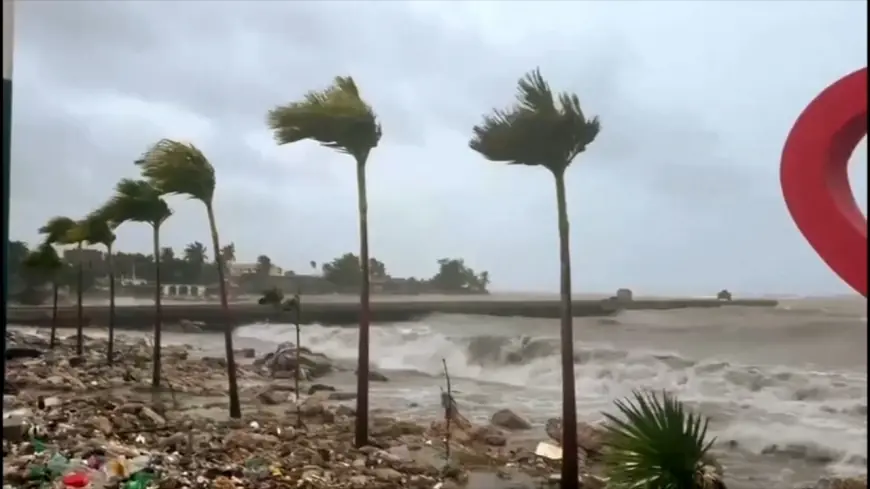
Jamaica’s recovery from Hurricane Melissa is entering a more complicated phase this week: the urgent cleanup and emergency shelter period has largely passed, but the rebuilding grind is colliding with shortages, insurance friction, and a fresh scientific reassessment that confirms the storm was even more extreme than first estimated.
In a post-season review released in late February, U.S. hurricane scientists concluded Melissa peaked at 190 mph sustained winds—tying the strongest Atlantic hurricanes on record by wind speed—and produced an extraordinary 252 mph wind-gust measurement inside the eyewall before landfall. For Jamaicans still living under tarps or in roofless homes, the upgrade doesn’t change what they experienced. It changes what comes next: building codes, financing terms, and how quickly the island can credibly say it is “ready” for the next major strike.
Melissa made its catastrophic Jamaica landfall on Oct. 28, 2025, with the storm’s core hammering the island’s southwest and ripping apart coastal communities that serve as lifelines for fishing, small commerce, and local tourism.
Housing and materials: the hidden bottleneck
Four months on, the dominant constraint isn’t willpower—it’s materials and money. In many of the hardest-hit parishes, the work has shifted from clearing debris to a more punishing reality: families can’t rebuild without lumber, roofing, fasteners, and skilled labor, and those inputs have been strained by demand surges and damaged supply routes.
That shortage dynamic creates a second disaster layered on top of the first. When people remain in damaged structures, routine rainstorms become destructive events, accelerating mold, weakening walls, and turning “repairable” homes into full rebuilds. The longer the gap, the higher the eventual cost—and the more likely it is that rebuilding becomes piecemeal, leaving entire neighborhoods with a patchwork of safe and unsafe buildings.
Policy choices also matter. Faster rebuilding usually means looser enforcement; safer rebuilding usually means higher up-front costs. Jamaica’s challenge is doing both: enforcing stronger standards without pricing families out of compliance. That tension is already visible in how uneven the recovery looks between tourism corridors that can attract capital quickly and smaller communities where private savings were wiped out overnight.
Schools and the health system: the long tail Jamaicans feel daily
The recovery story is increasingly being told through schools and clinics, not airports and hotels. Education officials have highlighted the repair and reopening work at damaged schools, which is more than a feel-good milestone: schools are community anchors, food distribution nodes, and de facto stability engines for families trying to return to normal routines.
Health care has its own long tail. After a storm that flooded neighborhoods and damaged water systems, the biggest threat can shift from trauma injuries to public-health risk—waterborne illness, respiratory problems from mold, and disruption to chronic-care services. International health agencies and humanitarian partners have focused on restoring routine health services, replacing damaged supplies, and supporting clinics that are still operating under compromised conditions.
The storm’s upgraded intensity rating will likely influence this work, too. Stronger official metrics can unlock more attention and, in some cases, more funding. But they can also harden insurers’ and lenders’ risk models, making it more expensive to rebuild, especially in coastal zones where Melissa’s storm surge and wind damage were most severe.
Tourism and infrastructure: reopening isn’t the same as recovery
Jamaica’s tourism engine has been trying to restart in phases, and some resorts have moved toward reopening after repairs. That helps national cash flow and employment, but it can mask what’s happening outside resort boundaries. A reopened hotel doesn’t necessarily mean the local road network is fully stable, that housing for workers has been rebuilt, or that public services are back to pre-storm reliability.
There’s also a reputational hurdle. Jamaica sells confidence—sun, accessibility, predictable logistics. Melissa punctured that confidence, not just through physical damage but through the reminder that a storm can overwhelm systems quickly. The tourism rebound will depend on whether travelers believe disruptions are behind the island, and whether airlines and cruise operators can operate without friction.
On infrastructure, the big question is what Jamaica rebuilds first: power resilience, water reliability, port logistics, or housing. Each choice has an economic rationale. Power brings businesses back online. Water reduces health risk. Ports and roads reduce rebuild costs by improving supply flow. Housing stabilizes communities and keeps labor available.
What happens next: the triggers that decide the next year
Jamaica’s next 6–12 months will likely hinge on a handful of clear triggers:
If building materials and skilled labor availability improve by late spring, the island can shift from “temporary fixes” to real reconstruction—and the number of families stuck in unsafe housing could start falling quickly.
If financing expands—through concessional loans, grants, or faster insurance payouts—rebuilding can consolidate around stronger standards instead of patchwork repairs that fail in the next storm.
If rainy-season flooding hits damaged drainage and weakened hillsides, the island could face secondary displacement and renewed infrastructure losses, pushing recovery timelines out again.
If tourism bookings strengthen while rural and coastal rebuilding lags, Jamaica risks a two-speed recovery that deepens inequality—visible prosperity in corridors, quiet hardship elsewhere.
Hurricane Melissa is no longer just a memory of Oct. 28. With the storm now officially ranked among the most intense Atlantic hurricanes by wind speed, it has become a benchmark—and a warning—that the island’s recovery can’t be measured only by what reopens, but by what gets rebuilt strong enough to survive the next hit.