
























S&p 500: Middle East oil shock raises pump and inflation risks

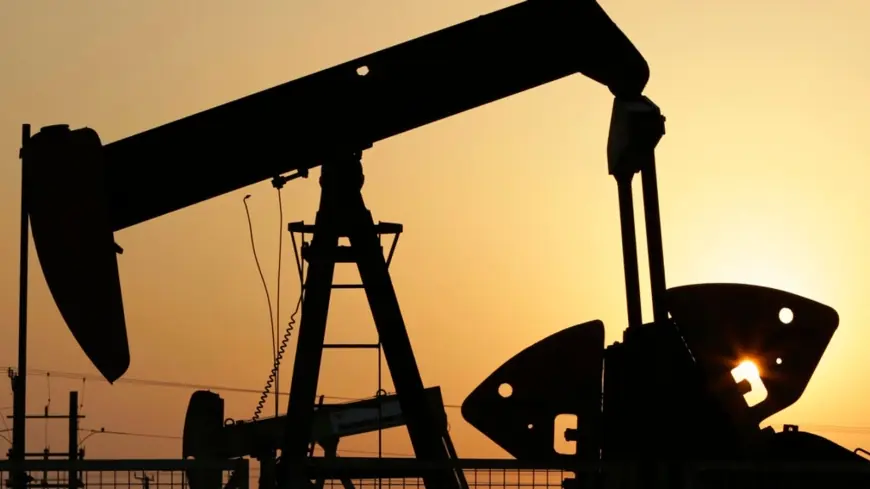
The s&p 500 sat alongside global markets that reacted sharply after attacks on Iran and warnings over the Strait of Hormuz sent oil and gas prices higher. The moves have reopened questions about petrol and diesel prices at the pumps, wider inflationary knock-on effects and potential pressure on central bank decisions.
S&p 500 and market impact
Global markets moved quickly as weekend tit-for-tat attacks were digested. Early trading in Asia, the first main financial market activity since Saturday morning's airstrikes on Iran, saw the international benchmark Brent crude climb 13% to $82 a barrel, its highest level since July 2024, before prices eased. At another point, Brent was trading at about $79 (£59) by lunchtime in London, up about $6 or 8. 5% on the day. Oil was also quoted at $77. 56, about $5 more than on Friday, a week in which Brent was 8% higher through February.
Shipping route and tanker attacks
The immediate market shock followed Iran's response to US and Israeli airstrikes and warnings that vessels should not pass through the Strait of Hormuz. The strait, a crucial waterway in the south of Iran, is used to ship about 20% of the world's oil and gas; it is also described as carrying around a fifth of the world's oil and natural gas supplies. At least three tankers had been damaged by missile and drone strikes, and Gulf states and nearby shipping were targeted, prompting tankers to decline use of the strait and insurers to be reluctant to provide cover. Some ships were also reported to be avoiding the Suez canal, which could push up shipping costs for other goods.
Oil and gas price jumps
Gas prices surged alongside oil. Benchmark European gas prices were up 38% on Monday after state-owned QatarEnergy halted production at two sites following drone attacks. Market commentators noted that the scale and duration of disruption to traffic through the Strait of Hormuz and the risk of direct attacks on energy infrastructure will determine how high and how long prices stay elevated. Economists at Goldman Sachs modelled a worst-case scenario in which a complete month-long closure of the strait could add as much as $15 a barrel to oil prices, though that might be partly mitigated by ramping up supplies other routes. Some members of the Opec+ group, said to be controlled by Saudi Arabia, pledged a rise in production from next month and the Opec+ producers' cartel signalled a modest increase in quotas.
Consumers, pumps and prices
The jump in the oil price has reintroduced the prospect of higher fuel costs for motorists. Crude oil is a key ingredient in petrol and diesel, which means sustained higher oil prices could eventually drive up prices at the pumps. The AA motoring group said that over the next few weeks fuel costs could return to where they were at the start of the year, a change from the recent trajectory in which fuel prices had been falling on UK forecourts over the past few weeks. Current AA data puts the average price for petrol at 132. 6p a litre and diesel at 142. 3p a litre. Simon Williams of the RAC warned that “the oil price would have to rise significantly and stay that way for some time to have a dramatic effect. If oil were to climb to and stay at the $80 a barrel mark, then drivers could expect to pay an average of 136p for petrol. At $90, we'd be looking at over 140p a litre and $100 would take us nearer to 150p, but it's all too soon to know. ”
Policy and interest rate risks
Beyond the pumps, a sustained increase in energy costs could lift inflation and hit growth. A 2017 study by the International Monetary Fund found that a 10% increase in global oil costs added, on average, 0. 4 percentage points to domestic inflation. The effects of an extended conflict between the US and Iran could therefore lead to higher interest rates and hit economic growth. Net energy importers in Asia and Europe, including the UK, will be hit harder; the US, with shale oil supplies and a strategic petroleum reserve, should be more able to insulate itself, though prolonged higher costs could deter the Federal Reserve from delivering interest-rate cuts that Donald Trump dearly wants. The odds of a rate cut at the Bank of England's next meeting on 19 March fell on Monday morning to 69%, down from about 80% the prior week, leaving confidence in those expectations in jeopardy.
Farming, food and wider knock-on effects
Higher petrol and diesel would raise transport costs for businesses moving food and other goods around the country, and those increased costs might be passed on by shops and supermarkets to consumers, pushing up the cost of living. Benjamin Goodwin, partner at PRISM Strategic Intelligence, noted that “some elements of crude oil are used in fertiliser, and so there could be a cost implication in terms of food prices. ” He added that if the disruption is short lived it is unlikely to result in an immediate increase in food prices.
Overall, there is substantial uncertainty about how long oil and gas prices will remain elevated and how big an effect they will have on consumers, markets and policy. The duration and breadth of disruption at the Strait of Hormuz and in the wider region will be decisive for prices, shipping costs and inflationary pressure.