
























Kypros on Edge as Cyprus Scrambles After Drone Alarm and Paphos Airport Evacuation

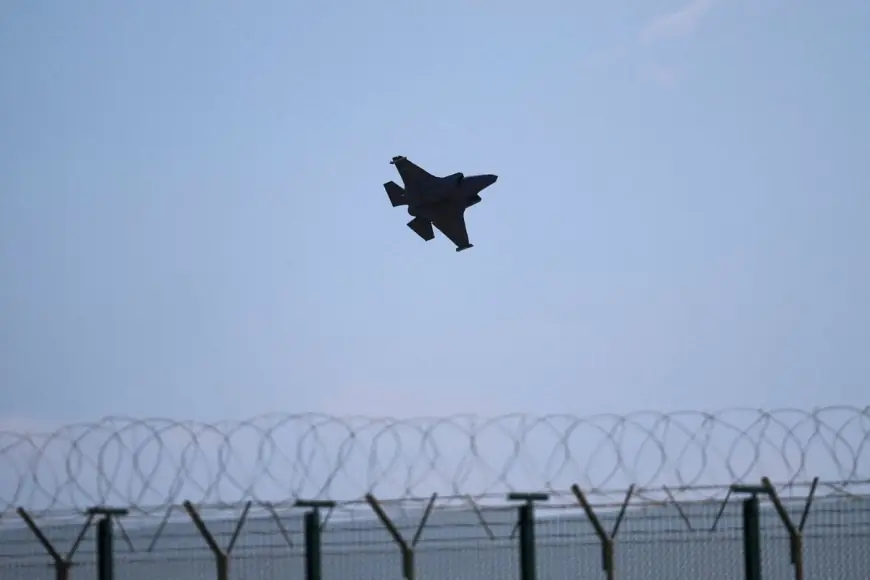
Cyprus—known in Greek as Kypros—was jolted into a high-security posture on Monday, March 2, 2026 (ET) after authorities evacuated the passenger terminal at Paphos International Airport when radar systems detected a suspect object approaching the island. The disruption rippled quickly beyond the airport fence line: roads tightened, travelers were rerouted, and officials moved to verify whether the alert was tied to the widening regional conflict that has raised threat levels across the Eastern Mediterranean.
Within hours, the airport incident fused with a second shock: a drone strike near the British base area at Akrotiri, prompting precautionary measures for nearby residents. Taken together, the events underscored an uncomfortable reality for Cyprus in 2026—its geography is a blessing for tourism and trade, but it is also a front-row seat to regional escalation it cannot control.
Paphos airport evacuation shakes Colorado-sized travel hub
Paphos is not just another airport; it’s one of the main gateways for visitors and seasonal workers, especially as the island heads toward spring travel. The evacuation was triggered after a “suspect object” appeared on radar and officials opted for the safest play: clear the terminal, widen the perimeter, and confirm what was actually inbound. That choice—disrupt first, explain later—reflects how aviation security has changed in the drone era. A false alarm is embarrassing and costly, but a slow response is unforgivable.
The practical consequence for travelers was immediate: delayed flights, halted boarding processes, and the kind of uncertainty that spreads faster than any official statement. Airports operate on choreography; once you break the rhythm, the backlog can last the rest of the day. For an island economy, that matters. Every canceled arrival is a hotel booking at risk, a rental car sitting idle, a tour operator scrambling to reshuffle.
But the deeper issue is psychological. When an airport is evacuated for an airspace alert, it broadcasts vulnerability—whether or not there was a credible threat. And in a region already buzzing with military activity, the difference between “precaution” and “incident” can blur in the public mind.
Akrotiri drone strike raises the stakes
The second flashpoint involved Akrotiri, the sovereign base area used by Britain, which sits on Cyprus’s southern flank and has long been strategically valuable. A drone strike in that vicinity—paired with reports of additional drones being tracked toward the island—shifts the conversation from “security scare” to “security environment.”
Even if the physical damage is limited, the logic is unsettling: drones are cheap, hard to attribute quickly, and capable of forcing outsized disruption. They can turn airports into evacuation zones and military bases into political problems in minutes. Cyprus, by virtue of location, becomes both a platform and a potential target, regardless of what it wants.
For local communities around Akrotiri, the story is less abstract. Precautionary evacuations and closures don’t feel like geopolitics; they feel like life being interrupted—children out of school, families told to move, and normal routines replaced by sirens and instructions.
Why Kypros keeps getting pulled into regional conflict
Cyprus has spent decades navigating the tension between being a peaceful Mediterranean destination and being a strategically positioned state in a contested neighborhood. That balancing act is harder when conflicts flare. The island sits near key routes and within range of multiple actors’ capabilities. It is close enough to be relevant, but small enough that it must be selective about how it responds.
There are also layers of sovereignty and responsibility that complicate decisions. Cyprus is an EU member state with its own security obligations, while the British sovereign base areas are separate jurisdictions that still sit physically on the island. When a drone alarm hits, the public doesn’t naturally separate those legal categories; they experience it as one landscape under stress.
This is how modern escalation spreads: not only through direct attacks, but through defensive reactions—evacuations, closures, disruptions—that compound into economic and political pressure.
What comes next for Cyprus security and tourism
The near-term question is whether Monday’s radar alert is treated as a one-off scare or the start of a sustained pattern. Four scenarios stand out, each with clear triggers.
If investigators confirm the object was benign or misidentified, officials will likely tighten procedures quietly—upgrading detection protocols, refining decision thresholds—while emphasizing that the evacuation proved systems worked.
If evidence points to a hostile drone or coordinated probing, Cyprus could move toward stricter airspace controls, more visible security at airports, and more frequent disruptions, especially when regional tensions spike.
If military sites near Akrotiri face repeated drone activity, the island may see an expanded protective posture—more patrols, more intercept activity, and potentially more restrictions around sensitive zones.
And if travel disruptions accumulate, the impact won’t just be measured in delayed flights; it will show up in consumer confidence. Tourists don’t track technical threat assessments—they track whether a destination feels calm.
For Cyprus—Kypros—the challenge is to prevent a security moment from becoming an economic narrative. The island’s leaders will be trying to reassure travelers without minimizing risk, cooperate with partners without appearing dependent, and respond decisively without turning daily life into a permanent state of alarm.
On Monday, Cyprus did what vulnerable hubs often do when the sky looks uncertain: it cleared the crowd, widened the perimeter, and bought time to learn what was real. The coming days will determine whether that was a single dramatic precaution—or the new baseline in the Eastern Mediterranean.