























Stock Market Today: Futures Slide as Oil Spike Rekindles Inflation Fears

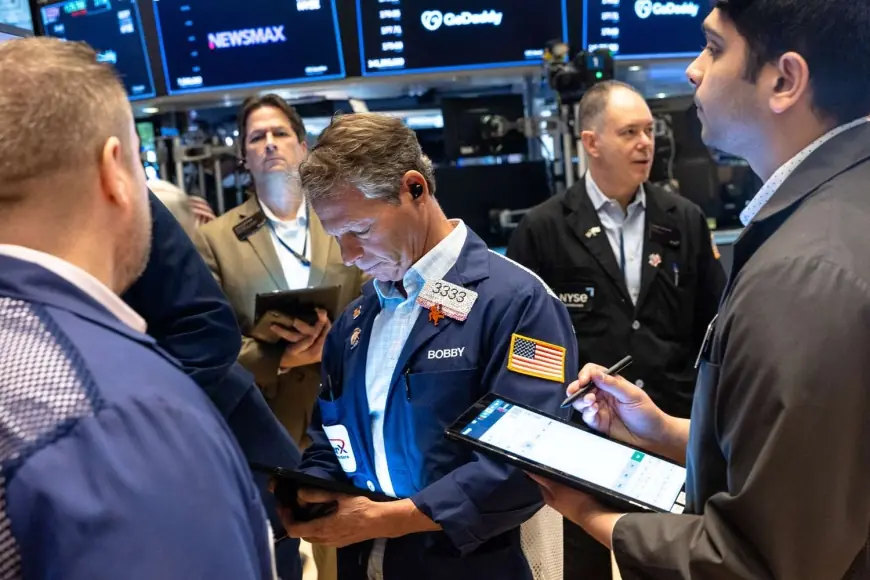
U.S. stock futures fell in early trading Monday, March 2, 2026, as a sharp jump in crude oil prices and fresh disruption risk in Middle East shipping routes pushed investors back into “risk-off” mode. By mid-morning Eastern Time, S&P 500 futures were down about 1.2%, Dow futures down about 1.2%, and Nasdaq 100 futures down about 1.6%, a broad pullback that points to a weak open unless conditions change quickly.
The driver is straightforward: energy is acting like a tax. When oil surges, markets immediately start repricing the two things equities hate most at once—higher inflation and slower growth—because fuel costs seep into transportation, manufacturing, and household budgets faster than most other inputs. This is why the futures market reaction has been so uniform: selling in stocks, a bid for perceived safe havens, and heightened volatility.
Oil Futures Jolt the Inflation Outlook
Crude oil prices spiked overnight as traders priced the risk that tanker traffic through the Strait of Hormuz remains severely constrained. Brent briefly jumped above the low-$80s per barrel before pulling back toward the high-$70s, while U.S. crude moved sharply higher as well. Even if the physical supply loss is not yet fully measurable, the market is reacting to the more immediate constraint: deliverability.
That matters because disruption doesn’t need to be a formal “closure” to hit prices. If insurers tighten coverage, shipowners delay sailings, or nav advisories effectively slow transit, the result is similar: fewer barrels arrive on time, buyers bid up prompt cargoes, and the oil futures curve can steepen as near-term supply gets repriced.
The inflation link is what’s pushing this beyond an energy-sector story. Economists often estimate that a sustained rise in oil can add to headline inflation over the following quarters. Traders are reacting to the possibility that the recent “disinflation glide path” gets interrupted just as investors were positioning for easier policy and calmer price prints.
S&P 500 Futures, SPY Futures, and What’s Moving Pre-Market
The pre-market tape is showing a familiar split:
Energy names are attracting bids because higher crude improves cash-flow expectations, at least near term.
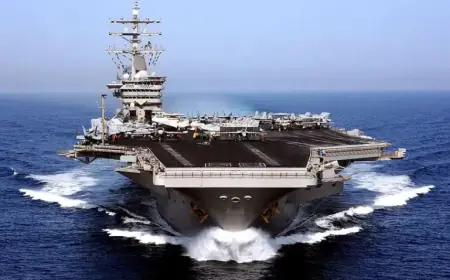
Defense-linked shares are also catching a tailwind as geopolitical risk rises, reflecting expectations of stronger demand, accelerated procurement, or simply a “risk premium” moving into the sector.
Airlines and travel-related stocks are under pressure. When regional airspace becomes unpredictable, carriers face reroutes, higher fuel burn, more cancellations, and crew-and-aircraft dislocation that can linger for days after routes reopen.
For the broader market, the key is how much of the selloff is concentrated in rate-sensitive growth and mega-cap tech versus spread across cyclicals. A drop led by long-duration stocks typically signals that the market is re-pricing the interest-rate path. A broader decline suggests fears are spilling into earnings expectations, not just discount rates.
One detail worth watching: volatility. The VIX has been rising and was described as at its highest level since late 2025, a sign traders are paying up for protection and that intraday swings may stay elevated.
Bonds, the Dollar, and the “Stagflation” Crosscurrent
Treasuries are caught in a tug-of-war. In the first hours of a geopolitical shock, bonds often rally on a flight to safety. But oil-driven inflation fear can reverse that quickly by pushing yields higher again.
In Monday’s early moves, the 10-year Treasury yield briefly dipped below the 3.90% area before pushing back up toward the high-3s as inflation angst started to eclipse the haven bid. That back-and-forth is the market broadcasting uncertainty: are we in a classic “risk-off” episode where growth fears dominate, or a more toxic mix where inflation rises while growth slows?
The dollar has been firm in that kind of environment, partly because global money tends to hide in dollar liquidity during shocks, and partly because higher inflation risk can reduce expectations for rate cuts. Neither is particularly friendly for equities that depend on falling rates and stable margins.
Gas Prices and the Real-Economy Lag
If oil stays elevated, consumers feel it through gasoline—but not instantly. Retail fuel typically adjusts with a lag as stations work through existing inventory and wholesalers reprice. The market is already trading that future: higher energy costs now raise the probability of higher gas prices later, which can pressure consumer sentiment and discretionary spending.
For investors, the practical question isn’t whether prices at the pump jump today; it’s whether they remain elevated long enough to show up in monthly inflation reports and corporate earnings commentary.
What Happens Next: Four Triggers to Watch
Everything now hinges on a handful of clean triggers that can turn this into either a short shock or a longer repricing:
-
Shipping normalizes quickly. If transit risk eases and insurers loosen terms, oil can give back a meaningful portion of the “fear premium,” and equities may stabilize fast.
-
Disruption persists into midweek. If traffic remains constrained, higher freight and insurance costs become embedded, keeping delivered energy expensive even if crude stops rising.
-
Energy prices push higher again. Another leg up in oil would intensify inflation concerns and make the equity selloff feel less like an overreaction and more like a regime shift.
-
Policy signaling changes. If central-bank speakers, fiscal authorities, or strategic reserve measures start entering the narrative, markets will quickly reprice the probability of relief—or further tightening.
Right now, “Stock Market Today” is less about a single earnings catalyst and more about an energy shock colliding with fragile inflation confidence. The next 24–48 hours will tell whether this is a volatility spike that fades, or the start of a new pricing regime where oil and shipping risk set the tone for everything else.