
























Nancy Guthrie Case Escalates as Family Offers $1 Million Reward in Tucson Search

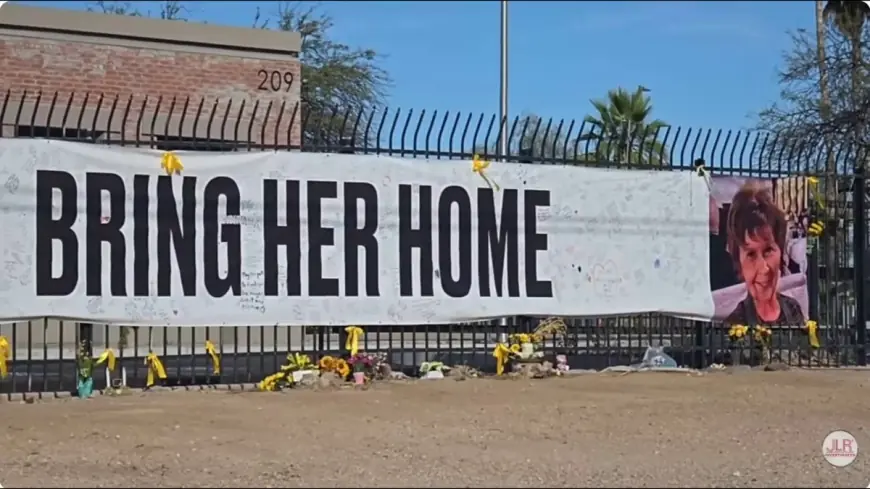
The search for Nancy Guthrie, an 84-year-old woman missing from the Catalina Foothills area outside Tucson, intensified in recent days after her family announced a $1 million reward for information leading to her recovery. The move, made public in late February and still reverberating into the weekend, reflects a grim reality: investigators have not identified a suspect, and the family says it has had no direct contact with whoever took her, despite reports that ransom notes have been circulated to media.
Guthrie has been missing since the turn of February, and authorities have indicated evidence suggests she may have been taken against her will. As the case draws national attention—driven in part by her daughter’s public profile—local officials are also managing a second crisis: the intense crowd of journalists, streamers, and onlookers converging on a residential neighborhood that was never built to handle it.
Reward and FBI Search
The family’s reward announcement is both a signal of urgency and a tactical shift. Large rewards are meant to widen the net—reaching people who might be reluctant to speak, or who don’t realize a small detail matters until money forces them to re-evaluate what they saw. Federal authorities are also offering a separate reward, and law enforcement says tips continue to come in as the case moves into its second month.
Investigators’ public details point to a frighteningly modern kind of vulnerability: alongside physical clues at the home, there are signs of deliberate attempts to reduce visibility and tracking. One early thread involved a masked person seen tampering with a doorbell camera, and officials have said the normal electronic signals that might help locate someone—such as medical device connectivity—went quiet soon after.
Still, the case is defined as much by what’s missing as by what’s known. Authorities have not publicly named a suspect, described a vehicle, or confirmed a verified timeline of movements after Guthrie vanished. That absence of specifics can frustrate the public, but it often indicates investigators are protecting information that only the perpetrator—or a credible witness—would know.
Neighborhood Lockdown
As the investigation continues, Pima County officials have taken steps that underline how disruptive the attention has become. A no-parking zone around Guthrie’s neighborhood has been widened after residents complained about congestion, trespassing, drones, trash, and safety issues created by the constant presence of cameras and live-streamers. Visitors and media have been told to park outside the neighborhood and be dropped off, with fines for violations.
This is the uncomfortable tension of high-profile missing-person cases: sustained attention can keep pressure on investigators and generate tips, but it can also contaminate a scene, overwhelm residents, and create an incentive ecosystem where speculation outcompetes facts. Neighbors are caught in the middle—some welcoming the spotlight in hopes it helps, others feeling their streets have become a set.
The practical effect of restricting access is twofold. It reduces chaos and improves safety, but it also limits the “informal” searches and amateur sleuthing that, while sometimes helpful, can spiral into misinformation that wastes investigative time.
Ransom Notes and Digital Trail
One of the most unsettling elements is the reported existence of two ransom notes sent to media—communications that suggest a perpetrator willing to manipulate public attention without necessarily engaging directly with the family in a conventional negotiation.
That detail matters because it hints at motive and method. A classic ransom attempt seeks money; a message to media can seek leverage, spectacle, or misdirection. Investigators are likely treating every communication as both evidence and trap: where it was sent from, how it was formatted, what language was used, and whether it mirrors known patterns in other cases.
Authorities have also cautioned that circulating claims on social media can run ahead of verified evidence, warning the public not to mistake viral posts for corroborated leads.
One complication that has surfaced repeatedly is simple but important: there is another public figure named Nancy Guthrie—a well-known Christian author and Bible teacher. The missing-person case involves an Arizona woman of the same name, and the overlap has caused periodic confusion online. The two are not the same person.
The next phase now hinges on a handful of triggers:
If investigators can authenticate a credible sighting—or recover usable digital breadcrumbs tied to the suspect—the case could shift rapidly from broad search to targeted manhunt.
If the ransom-note channel reactivates in a way that reveals location data or a negotiating pattern, it could create a narrow but meaningful opening for law enforcement.
If tips surge because of the reward, the challenge becomes triage: separating genuine leads from noise without missing the one detail that breaks it open.
And if no new evidence emerges, pressure will intensify on forensic re-checks and neighborhood canvassing, because prolonged silence in cases like this often narrows the plausible scenarios—none of them good.
For now, the family’s reward is a blunt message: they believe someone knows something, and they’re betting that the right incentive—combined with relentless attention—can turn that knowledge into action.