

























Burger King’s Whopper Changes Roll Out Nationwide, Tweaking Bun, Mayo, and Packaging

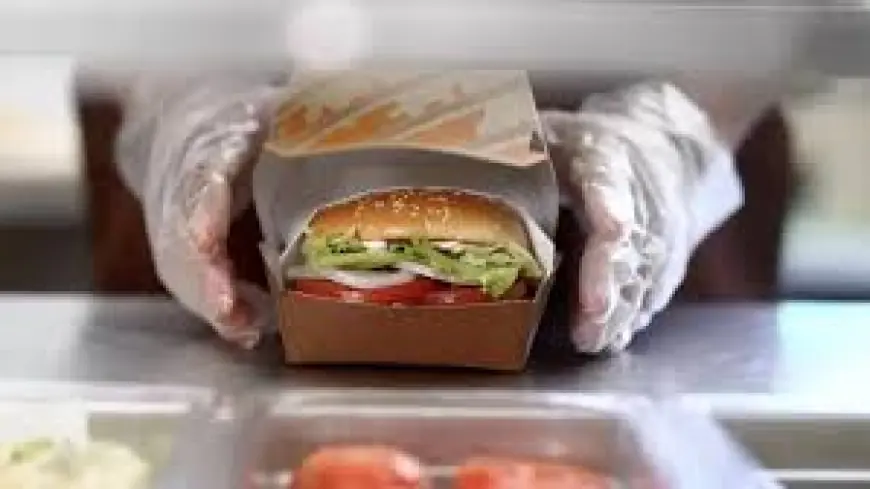
Burger King has begun serving an updated Whopper nationwide after announcing the changes on Thursday, February 26, 2026 (ET)—its first meaningful refresh to the flagship burger in nearly a decade. The company is keeping the Whopper’s core identity intact—flame-grilled beef, the familiar topping stack, and the same basic build—but is changing three high-impact details customers notice immediately: a more premium sesame-seed bun, an improved mayonnaise, and a shift from paper wrapping to a box-style package.
The strategy is less “new burger” than “new experience.” Burger King is effectively acknowledging what many regulars complain about in private: the Whopper can arrive squashed, slippery, and messy, especially in drive-thru and delivery. The brand’s bet is that tightening the bun-and-condiment foundation—and protecting the build with sturdier packaging—will make the sandwich feel more consistent without triggering the backlash that often follows recipe tinkering on an icon.
Whopper changes: bun, mayo, and the new box
The most visible change is packaging. The Whopper is moving from the traditional paper wrap to a box (clamshell-style) designed to preserve height, reduce compression in bags, and keep toppings from tearing the bun apart during transit. Burger King frames it as a quality move: the burger should arrive looking like it did when it left the kitchen, not like it lost a wrestling match with the takeout bag.
Then there’s the bun. Burger King says the Whopper now comes on a higher-quality, better-tasting sesame-seed bun—a change that sounds subtle until you remember the bun does two jobs at once: it sets the first bite texture and it’s the structural beam that decides whether a burger holds together. A slightly improved bun can solve the “soggy bottom” problem without touching the patty, and it’s the kind of tweak that reads as “premium” even if the ingredient list barely changes.
The third change is mayonnaise. Burger King is switching to a reformulated, creamier mayo and positioning it as “better tasting.” That matters because mayo is the Whopper’s binding agent: it’s the texture bridge between hot patty and cold produce, and it’s often the flavor people notice most when something feels “off.” In other words, this is the smallest-looking change that may create the biggest debates among longtime fans.
Importantly, Burger King is signaling restraint: the flame-grilled beef patty remains the same, and the classic topping set stays intact. The message is “elevate, don’t reinvent.”
Burger King’s timing: premium feel without premium prices
Burger King is making these Whopper changes at a moment when fast food is caught between two pressures that don’t play nicely together: customers demanding value and brands needing to defend margins. A “premiumization” push is risky if people read it as code for price increases—especially for an item as symbolically central as the Whopper.
So the company is trying to upgrade the experience in a way that can be felt immediately (bun texture, mayo mouthfeel, box presentation) while keeping the headline components untouched (patty, toppings). It’s an old consumer-goods tactic: improve the “handling” and “finish” so the product feels more expensive without changing what people believe they’re buying.
There’s also a delivery-era logic here. A decade ago, the Whopper lived mostly in the moment you unwrapped it at a table. In 2026, a lot of Whoppers are eaten in cars, at desks, or on couches—after a drive, a wait, or a handoff. That extra time punishes weak burger engineering. A box and sturdier bun aren’t just aesthetic; they’re supply-chain answers to modern consumption habits.
Is the Whopper different enough to matter?
The real test isn’t whether Burger King can describe the Whopper changes—it’s whether customers can feel them consistently across thousands of restaurants. Even “small” ingredient tweaks can become big if execution varies: buns stored too warm or too dry, mayo portioning inconsistencies, or boxes that trap steam and soften bread if the venting isn’t right.
This is where the risk sits. The Whopper is a nostalgia product. Many customers don’t order it because they want a surprise; they order it because they want the same sensory anchor they remember. Touching bun and mayo—two of the most immediate sensory cues—invites passionate comparison, even if the recipe change is minor.
Still, Burger King appears to be choosing its battlefield carefully. It’s not trying to win with novelty; it’s trying to win with fewer “bad Whopper” experiences. If the box reduces smashed sandwiches and the bun holds up better to heat and moisture, the change could feel like an overdue fix rather than a brand makeover.
Over the next few weeks, expect the conversation to split along predictable lines:
-
If the mayo tastes tangier, sweeter, or just “different,” diehards will notice first—and social chatter will frame it as either a welcome upgrade or a betrayal.
-
If the box keeps burgers intact for drive-thru and delivery, casual customers may quietly reorder more often without ever naming the reason.
-
If prices rise locally, even modestly, the upgrade risks being interpreted as justification for higher costs rather than a quality promise.
For now, the headline is straightforward: Burger King has changed the Whopper—bun, mayo, and packaging—while insisting the icon’s core remains the same. The brand is betting that, in 2026, consistency is the new innovation.