

























Kelly Osbourne Weight Loss Explained as She Condemns “Cruel” Body-Shaming in 2026

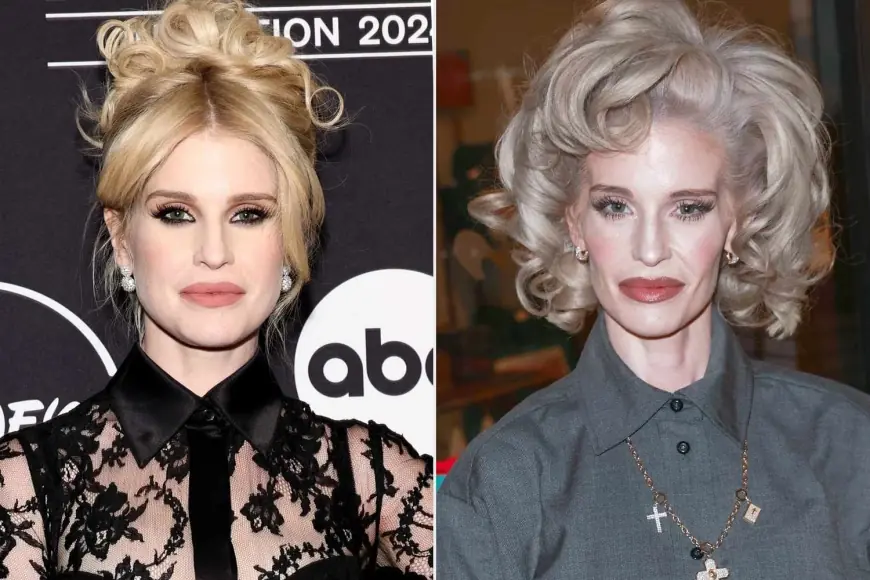
Kelly Osbourne’s weight loss is the result of a long, public, and sometimes painful health journey—one that has included gastric sleeve surgery, postpartum changes, and major life stress—rather than a single trend or quick fix. In the past 48 hours, she has addressed renewed scrutiny after a recent awards appearance, saying the pile-on has been “cruel” and that she’s “going through the hardest time” of her life, urging people to stop turning her body into gossip while she grieves.
The latest flare-up isn’t really about a number on a scale. It’s about the way celebrity weight loss has become a spectator sport—where any visible change triggers a courtroom of strangers: accusation, diagnosis, certainty, and viral judgment.
What Kelly Osbourne has said about her weight loss
Osbourne has been unusually candid over the years about how her relationship with food, self-image, and sobriety intertwined. The most concrete, confirmed turning point she has discussed publicly is bariatric surgery—specifically a gastric sleeve procedure—which she has credited with helping her lose significant weight and changing how she ate. She has also described the mental-health side of the transformation: that the shift wasn’t only physical, but about stability, routine, and learning how to live without old coping mechanisms.
That context matters because it pushes back against the “one explanation” trap. People want a single cause—one drug, one procedure, one secret—because it fits the way social media packages stories. But her own timeline points to something more realistic: multiple chapters, with different pressures in each.
Ozempic rumors and why they keep following her
In the current celebrity climate, any dramatic body change gets pulled into the gravitational field of weight-loss medications. Osbourne has previously pushed back on assumptions that she used those drugs, while also making comments that suggest she doesn’t believe people should be shamed if they do.
That combination—denying personal use while refusing to demonize the option—doesn’t satisfy the internet’s desire for a tidy verdict, which is why the rumor cycle keeps restarting. To some critics, any denial becomes “proof” of concealment; to some fans, any defense of the medication becomes “proof” of use. It’s a logic loop designed to be unwinnable.
The more important point is the one she’s tried to force into view: even if a person did use medication, it doesn’t license harassment. And even if a person didn’t, the speculation still reduces them to a body before it sees them as a person.
Grief, stress, and the spike in body-shaming
Her newest statement lands in a particular emotional context: she has described recent months as extraordinarily hard, and she framed the online commentary as people “kicking” her while she’s down. That detail changes how many readers interpret the visible changes. Stress and grief can affect sleep, appetite, routine, and health in ways that show up physically—sometimes quickly.
But Osbourne’s point wasn’t to invite amateur medical debates. It was the opposite: to draw a boundary. When she says she shouldn’t have to “defend” herself, she’s rejecting the idea that the public is owed an explanation for her appearance at all—especially during a period she says is defined by loss and strain.
This is also why the “too thin” commentary can be as corrosive as the “too big” commentary. It pretends to be concern, but it often functions as control. It keeps the subject trapped on the same treadmill: judged when heavier, judged when lighter, and treated as public property in both directions.
What happens next for Kelly Osbourne
How this plays out now depends less on what Osbourne does and more on whether the attention economy can resist turning her into a continuing storyline. A few plausible paths are already emerging:
One scenario is a brief surge that fades: her boundary-setting makes the conversation feel ugly enough that many people disengage, and the cycle moves on.
Another is escalation: if more clips and photos circulate, the commentary could intensify—especially if trolls frame their attacks as “just asking” questions about her health.
A third is a controlled reframe: Osbourne may choose fewer public appearances and more direct communication—short statements, limited access, and deliberate messaging that refuses to feed speculation.
And a fourth is broader spillover: her comments could add momentum to a larger push—by public figures and advocates—to treat body commentary as harassment rather than entertainment, especially when it targets women during grief or postpartum recovery.
The clearest answer to the question people are actually asking—how did Kelly Osbourne lose weight?—is that she has attributed her long-term transformation primarily to gastric sleeve surgery and lifestyle changes, with additional shifts over time, including postpartum periods and intense personal stress. What she’s asking in return is simpler than the internet wants: stop making her body the story when she’s telling you her life is.