
























Crude Oil Price Shock: Shipping attacks raise inflation risk and force a market reset

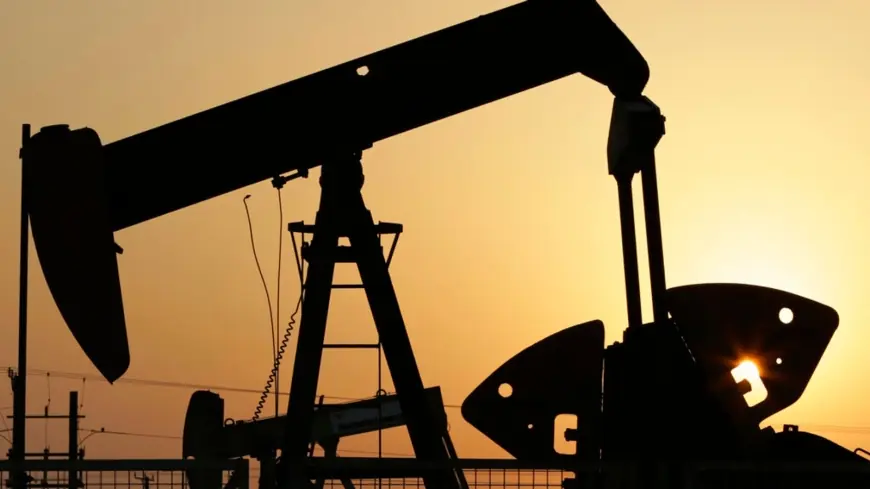
The immediate consequence is clear: the crude oil price spike is now complicating forecasts for inflation and interest-rate plans. A sudden jump in global oil costs — driven by retaliation after recent airstrikes and by direct hits on tankers — has already pushed benchmark levels well above where markets expected them to be, and that shift could ripple through fuel bills, insurance costs and central-bank decisions.
Crude Oil Price consequences for households, markets and policy
Here’s the part that matters: higher oil and shipping costs threaten to unwind the expected near-term easing in consumer-price inflation. Research from 2017 by the International Monetary Fund found that a 10% increase in global oil costs adds, on average, 0. 4 percentage points to domestic inflation — a linkage now back on the table as markets reprice risk. Last week, most financial market participants had expected the Bank of England to cut interest rates at its next meeting in just over two weeks; that confidence may now be jeopardized by the fresh uncertainty.
What happened at sea and in markets
Iran’s response to earlier US and Israeli airstrikes has disrupted shipping and directly damaged tankers: at least three tankers were hit by missiles, and others were damaged by missile and drone strikes. Early trading in Asia — the first major market session after Saturday morning’s airstrikes — saw the international Brent benchmark surge 13% to $82 a barrel, its highest since July 2024, before easing back; at another point oil was trading near $77. 56, roughly $5 higher than the previous Friday. Insurers have pulled back cover in the waterway, and tanker traffic has been described as effectively halted after warnings to stay away.
Supply responses, regional production and insurance effects
Producers and market groups are starting to push back on the raw price shock: some OPEC+ members, under Saudi Arabia’s influence, pledged a rise in production from next month, which market commentators say helped limit Monday’s spike. At the same time, the withdrawal of insurance and the warning to vessels have driven tanker rates and premiums dramatically higher — an added cost layer that could feed through to prices if export flows remain disrupted for days or weeks.
- Analysts at Wood Mackenzie warn oil could exceed $100 a barrel if tanker flows through the Strait of Hormuz are not quickly restored; their view stresses that loss of transit, not just higher freight and insurance, is the core price driver.
- QatarEnergy has halted LNG and related production at two sites after military attacks on facilities in Ras Laffan (north of Doha) and Mesaieed (south of Doha), highlighting broader regional supply impact.
- Even an optimistic re-opening of export flows could take a few weeks to normalize, leaving prices exposed to the upside during that interval.
Market sentiment, comparisons and a short timeline
The sentiment shock is measurable: volatility gauges have jumped sharply, with the VIX up about 16% in the day noted, reaching its highest level since November 2025. Market commentators draw a direct comparison with the early days of the Russia–Ukraine conflict, when fears about lost supplies pushed benchmarks above $125 a barrel; Brent also traded near $100 per barrel in 2022 during that episode.
- Saturday morning: airstrikes on Iran prompted a swift regional response (date unclear in the provided context).
- Early trading in Asia after those strikes: Brent spiked 13% to $82 a barrel, highest since July 2024.
- Recent day: insurers withdrew coverage and at least three tankers were hit by missile and drone strikes; some producers pledged higher output from next month.
The real question now is how long tanker flows through the Strait of Hormuz — the channel that carries about a fifth of the world's oil and natural gas supplies — remain disrupted. If transit is not re-established quickly, the path toward $100-plus oil becomes plausible in market models; if flows resume, upward pressure should be more contained.
Immediate economic implications and sectoral winners and losers
Rising crude and shipping costs lift fuel pump prices later this month in several markets and risk a broader lift in costs across economies that had been expecting relief from lower energy bills, notably natural gas. Financial market moves have already hit travel-sector shares and the pound, while equity segments tied to oil producers and defence equipment have rallied as investors reprice winners from heightened geopolitical risk.
What’s easy to miss is how layered the shock is: direct damage to tankers, insurance withdrawals, production halts at specific gas facilities, and the political debate over military strikes create transmission channels beyond simple supply math. Commentary in recent coverage has also included strong, contested assertions—headlines referenced Tehran seeking revenge for a supreme leader’s killing; commentary linked American deaths to the political costs of strikes tied to Donald Trump; another item questioned what follows a reported killing of Ayatollah Khamenei and included a Q&A with Richard Engel; and opinion pieces criticized the president’s publicly stated strategy. The veracity and implications of those claims are unclear in the provided context and should be treated as developing.
Writer’s aside: the mix of immediate market moves and lasting policy recalibrations makes this a story that will evolve in both trading rooms and central-bank minutes; short-term price swings may not fully capture medium-term inflation effects.
If you’re wondering why this keeps coming up, watch for confirmation that tanker insurance and transit flows are restored — or for sustained production pledges and output increases that actually reach markets. Those signals will tell whether today’s crude oil price shock is a short-lived spike or the start of a longer inflationary leg.