























Iran Conflict Escalates: Tensions Rise Amid Ongoing Clashes

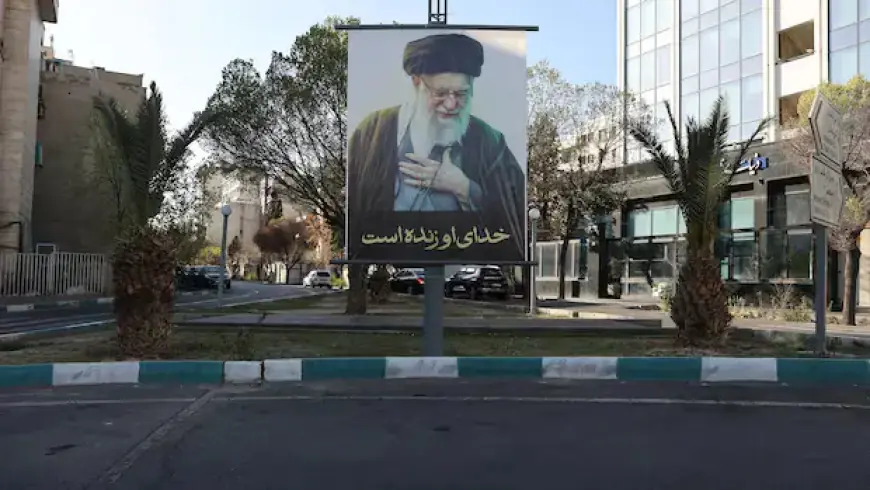
On March 1, 2026, significant turmoil erupted in the Middle East as tensions escalated between the U.S., Israel, and Iran. The death of Iran’s Supreme Leader Ayatollah Ali Khamenei marked a crucial turning point. This event was the result of coordinated strikes by both U.S. and Israeli forces.
Key Developments in the Iran Conflict
The assassination of Khamenei instigated a series of retaliatory actions by Iran. Following the attack, Iran targeted neighboring Gulf states, raising concerns over regional stability and international security.
Immediate Reactions
- The U.S. and Israeli governments justified their actions as necessary for national security.
- Iran’s Supreme Leader was reportedly a pivotal figure in shaping Iran’s foreign policy.
- International reactions varied, with some nations condemning the strikes and others supporting the U.S.-Israeli alliance.
Implications for the Future
The developments signal a potential shift in the power dynamics within the Middle East. Vali Nasr, a professor specializing in international affairs at Johns Hopkins University, emphasized the far-reaching consequences of this conflict.
As the situation unfolds, stakeholders across the globe are closely monitoring the conflict’s impact on regional alliances and security. The future remains uncertain as Iran vows retaliation and the U.S. and Israel prepare for possible escalations.
Conclusion
The recent escalation of tensions highlights the fragile state of affairs in the Middle East. The clash between Iran, the U.S., and Israel represents not only a pivotal moment for the involved nations but for global security. The world watches closely as the implications of these events continue to unfold.