























Hudson Williams Joins Connor Storrie on SNL as Host Turns Body Into Punchline

hudson williams joins Connor Storrie on Saturday Night Live in an episode built around Storrie’s newfound fame and self-aware sex appeal. The show’s sketches and monologue from February 28, 2026 leaned hard into physical comedy, and the appearance of hudson williams alongside Storrie framed a night that mixed bawdy sight gags with a commentary on objectification.
Hudson Williams: Joining Connor Storrie on SNL
The lineup included Hudson Williams alongside first-time SNL host Connor Storrie. The pairing was promoted as part of the episode that showcased Storrie’s star turn and brought additional attention to the night’s sketches and monologue from February 28, 2026.
Connor Storrie’s Monologue and Self-Aware Sex Appeal
Connor Storrie opened his monologue by acknowledging the audience’s reasons for tuning in: his recent rise to fame after starring in a steamy, hockey-centric gay romance that became a surprise TV hit. He leaned into the attention paid to his physique and public image, noting how the show taught many viewers about hockey and had altered some fans’ perceptions of their own sexuality. The studio audience—seemingly packed with viewers of the series—responded with audible approval as Storrie knowingly winked at his reputation as an on-screen athlete with a rippling physique who often appears naked.
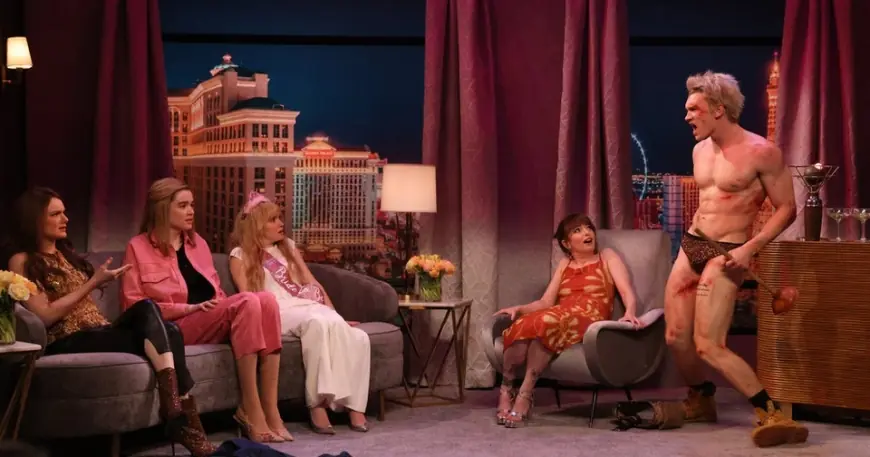
Best Sketch: The Mangled Stripper at a Las Vegas Bachelorette Party
The episode’s standout sketch opened with a group of friends celebrating at a bachelorette party in Las Vegas. They received a knock on their hotel-room door expecting the male exotic dancer they had hired. The stripper, played by Storrie, was visibly mangled: he squirmed across the floor in pain, his body beat and his face bloody. He told the partygoers he had been hit by a car en route to the fete, yet he was committed to the gig—embodying a sexy-plumber fantasy despite his injuries.
Much of the laugh work came from Storrie physically transforming his body into the joke: laboriously hoisting himself from the ground, attempting to dance on what appeared to be fractured legs, and wobbling while balancing on a plunger. At one point he asked, "Did somebody call a plumber?" and even invited a bachelorette to tie his tool belt around his thigh like a tourniquet, maintaining a constant effort to appear sexy even while hurt. One of the women in the sketch voiced a common tension: worried for him, but unwilling to have the spectacle end—an exchange that left the comedy operating as cheeky commentary on objectification.
From Clowning Training to Physical Comedy
The sketch’s effectiveness was rooted in Storrie’s background: before his acting career took off, he studied the art of clowning. That training emphasizes a performer’s willingness to be physically vulnerable and treats the clown’s body as the primary prop. Storrie translated those instincts into a television performance that intentionally used his own form as the centerpiece of the gag, harnessing viewers’ bawdy gazes and turning them into subversive slapstick.
Why the Moment Mattered and What Comes Next
The episode operated on multiple levels: a vehicle for Storrie’s comedic physicality, a nod to the fan fever generated by his role in the surprise hit series, and a pointed, if playful, take on how performers and audiences negotiate spectacle and concern. The inclusion of Hudson Williams alongside Connor Storrie broadened the night’s profile, even as the sketches kept the focus tightly on the host’s inventive, body-centered work. Whether this episode changes how the show integrates guest stars going forward is unclear in the provided context, but the night demonstrated a clear appetite for performances that mix vulnerability and provocation.
Developing International Note and a Technical Aside
Recent updates indicate the U. S. and Israel have attacked Iran; details may evolve. Separately, one site displayed a notice that a browser was not supported and suggested downloading a modern browser for the best experience.