

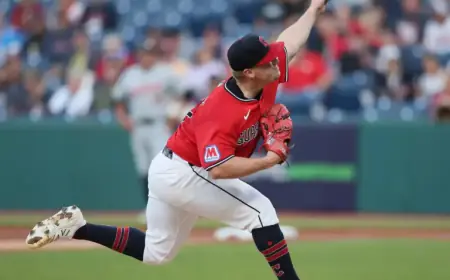





















Harry Wilson volley leaves Spurs in 'serious emergency' as Igor Tudor lashes out at 'home referee'


Harry Wilson's early strike did more than open the scoring — it crystallised a crisis that Tottenham's interim manager says is already a "serious emergency. " The result and the contentious build-up to that goal landed hardest on the dressing room, the manager and supporters, sharpening relegation anxiety as the club grapples with tactical and attitude problems that Tudor says run deeper than formations.
Immediate impact: club, manager and league position under strain
Igor Tudor, the 47-year-old Croatian interim manager, framed the match as a turning point for morale and survival. He repeatedly labelled referee Thomas Bramall a "home team referee" and said Bramall "doesn't understand football, " arguing that the decisions shifted the match and compounded inconsistency following a disallowed goal for Tottenham last week. Spurs now sit 16th in the Premier League and are four points above the relegation zone; team leaders and players are openly describing the situation as an emergency.
Match snapshot and contested moments
Fulham beat Tottenham 2-1. Tudor highlighted a contentious opening goal that followed contact he described as a push on Radu Dragusin by Raúl Jiménez before Harry Wilson swept the ball in. Tudor said the officials missed a foul that gave Fulham an advantage — and pointed to a recent example when Randal Kolo Muani had a goal ruled out for a push on Gabriel as evidence of inconsistent refereeing. Marco Silva, the Fulham manager, complained that the scoreline did not reflect his side's superiority, while Spurs had only one shot on target, a Richarlison header.
Harry Wilson's opening goal and the refereeing row
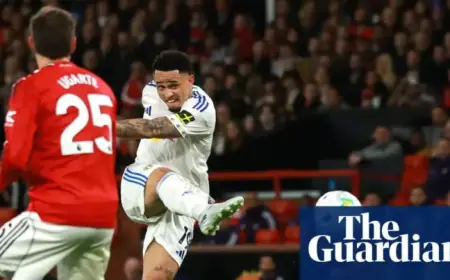
Harry Wilson's volley after seven minutes was central to post-match debate. Tudor accused Raúl Jiménez of "cheating" by pushing Radu Dragusin and insisted the contact should have been penalised because it altered the outcome. Tudor said he was too upset to speak to Bramall at full time and repeated his view that inconsistent decisions — like the disallowed Randal Kolo Muani goal last week — have large consequences for the team.
- Spurs have now suffered a run without a win that stretches to 10 league games, their worst sequence in 32 years since a similar spell under Ossie Ardiles in 1994.
- The loss was Tottenham's fourth league defeat in a row, amplifying concern about relegation despite the side finishing 17th in 2024-25 and ending that season 13 points clear of 18th-placed Leicester after a late focus on European competition under the previous manager, who went on to win that Europa League campaign.
- Squad and tactical issues were singled out by Tudor: he said Spurs are lacking in attack, midfield and defence and even suggested players are short on "brain" — arriving late and reacting rather than anticipating.
- Fulham made personnel adjustments before the match: Issa Diop was a late call-up after Joachim Andersen was ruled out with illness; Diop had been at home the night before and was praised by Marco Silva for his professionalism.
Squad reaction and external alarm
Midfielder Yves Bissouma said simply that "we lost again" and described the situation as a big emergency that requires changing a lot of things and more effort. That frankness prompted a stark reaction from former players calling alarm bells for supporters, warning the team are in real danger of relegation if the run continues. The mood is more deflated than after the recent heavy home defeat to Arsenal, Tudor's demeanour revealing the scale of the problem he believes extends beyond tactics.
Practical signals and immediate next steps
Here's the part that matters: consistency of officiating and quick fixes to mentality and daily performance are the two near-term issues Tudor highlighted. The manager insisted the formation isn't the root cause — "It's not about systems at the moment" — and pressed the squad to find personality and the internal forces to change results. The real question now is whether defensive concentration and attacking quality can be restored before league position worsens further.
One small production note from the match day: a live match blog intended to cover the game was unavailable when accessed, leaving some followers without that realtime feed.
It's easy to overlook, but the club's recent historical context matters: Tottenham have been a top-flight mainstay since a one-season return to the old Second Division in 1977-78, and only a sustained collapse would change that long-term status. The current crisis, however, combines refereeing controversy, a marked run without wins and internal criticism that together make this a pivotal week for everyone involved.
Writer's aside: the mix of tactical shortcomings and acute refereeing complaints creates a volatile short-term outlook; decisive improvement will likely require visible change on the pitch rather than further public recrimination.