






















Uss Abraham Lincoln: Three US service members killed as Operation Epic Fury escalates

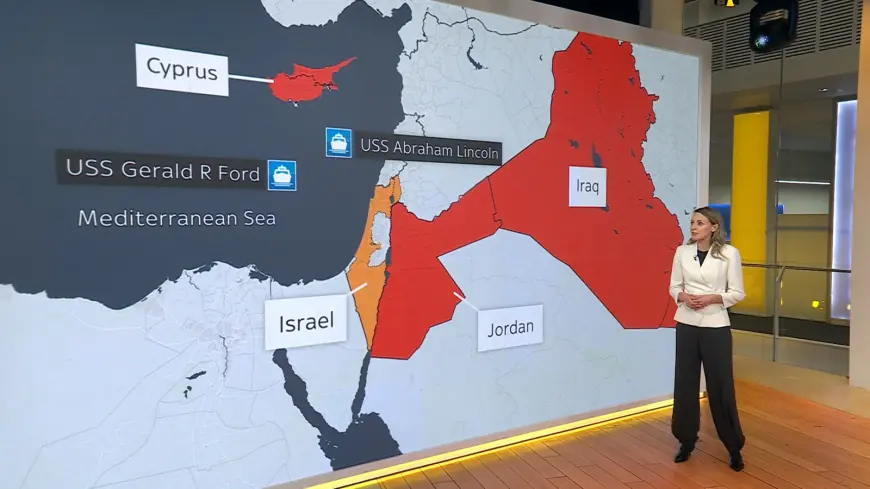
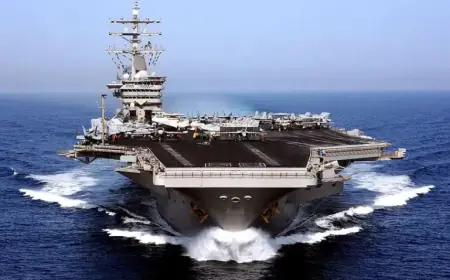
Three US service members have been killed and five others seriously wounded as part of Operation Epic Fury, US Central Command said on Sunday, and the uss abraham lincoln was the subject of an Iranian missile claim that the US military denied. Authorities have not yet publicly identified the three soldiers.
Operation Epic Fury named
The US military identified the operation as Operation Epic Fury. The three deaths are the first confirmed US casualties since the United States began launching strikes against Iran on Saturday. The military said five additional personnel have been seriously wounded in the operation.
Uss Abraham Lincoln and IRGC claim
Iran’s Islamic Revolutionary Guard Corps reported that it had targeted the USS Abraham Lincoln aircraft carrier with four ballistic missiles. CENTCOM pushed back in a post on X on March 1, 2026, declaring the IRGC claim false and saying the Lincoln was not hit and that the missiles didn’t even come close. CENTCOM added that the aircraft carrier “continues to launch aircraft in support of CENTCOM’s relentless campaign to defend the American people by eliminating threats from the Iranian regime. ”
Casualties, injuries and notifications
CENTCOM confirmed that three US service members were killed and five others were “seriously wounded” in the operation. “Several others sustained minor shrapnel injuries and concussions — and are in the process of being returned to duty. Major combat operations continue and our response effort is ongoing, ” the statement said. The command also said: “The situation is fluid, so out of respect for the families, we will withhold additional information, including the identities of our fallen warriors, until 24 hours after next of kin have been notified. ”
Strikes and targets across Iran
The announcement came on the second day of strikes by the US and Israel that followed the killing of the Iranian supreme leader, Ayatollah Ali Khamenei, in an Israeli airstrike on Saturday. CENTCOM later said the military had carried out strikes on more than 1, 000 Iranian targets since it started its attacks. A fact sheet said the targets included the Iranian Revolutionary Guards headquarters and Iranian navy submarines.
Wider regional and domestic fallout
On Sunday, Israel and the United States carried out another round of heavy attacks across Iran, in what has been described as a campaign aimed at removing the country’s government. The campaign has pushed the Middle East into a broader regional confrontation with no clear end or predictable outcome, and exchanges between officials in Washington and Tehran have grown increasingly tense.
The strikes extended beyond current government leaders. The home in Tehran belonging to former Iranian president Mahmoud Ahmadinejad was destroyed; his condition and whereabouts were not immediately confirmed. Iranian state media said the number of people killed in a missile attack on a girls’ school in southern Iran has climbed to nearly 150. The school was hit on Saturday morning and appears to be the deadliest single incident of the US-Israeli bombing campaign in Iran so far.
Political pressure and public reaction
Security and Defence Editor @haynesdeborah wrote: "So far Iran's military response has left three American troops dead, which will put pressure on US President Donald Trump, but Iran has yet to land a decisive blow. " Alan Fisher in Washington DC said the deaths would “change a lot of things for the United States. ” Fisher noted that Donald Trump had campaigned on avoiding new wars and quoted Trump’s past contrasts with [former US Vice President] Kamala Harris: "Kamala Harris, if she were elected, would start a fight with Iran that would lead to World War III. " Fisher added that many on the Democratic side want an emergency debate in Congress because they want to know: "what are the administration’s plans? Where does this go? How long is this going to last?" and "how many more service personnel will be put at risk. "
Trump cautioned on an earlier announcement that “the lives of American heroes may be lost, and we may have casualties. That often happens in war. ” He also warned that the US would strike Iran “with a force that has never been seen before” if Tehran followed through on threats of retaliation after Khamenei’s killing. Still, Trump told News on Sunday that things were “moving quickly” during the US operation following the killings of Ali Khamenei and other members of the political top brass.
Anti-war demonstrations took place across the United States after the attacks, including gatherings outside the White House and in New York’s Times Square, where protesters expressed opposition to American military involvement in the region. Protest organizers released a statement saying: “Trump’s unprovoked, illegal attack on Iran is an act of war that threatens to cause unthinkable death and destruction. But the people of this country reject another endless war and will take to the streets now and make our voices heard. ”
So far, the confirmed US military toll stands at three dead and five seriously wounded, with additional minor injuries and ongoing major combat operations as the US and its partners continue strikes across Iran.