






















Bravo Exec Breaks Down Wendy Osefo Arrest, Karen Huger Return and the Colorado Trip Chaos

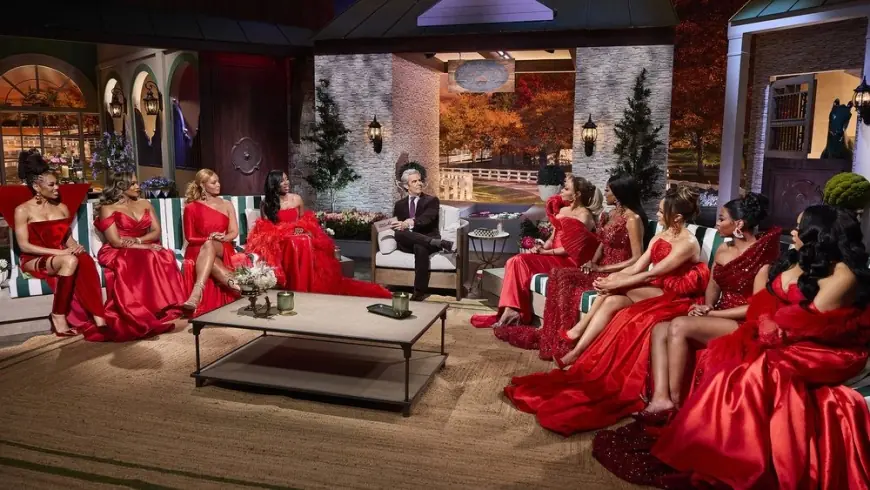
wendy osefo’s arrest and a high-profile absence from the cast have become defining offscreen storylines as The Real Housewives of Potomac closes its tenth season and finishes a three-part reunion. The legal developments and a fraught Colorado group trip have reframed conversations about the season just as producers wrap the finale and reunion installments.
Wendy Osefo’s Arrest and How It Played Out at the Reunion
Wendy Osefo and her husband were arrested and booked on 16 insurance fraud charges five days after the season premiered, a development that occurred after filming had finished. Because the arrest came post-production, the matter was not woven into the season’s episodic coverage; instead, it surfaced as one of the central subjects addressed during the reunion series, where Osefo offered new details about the incident in an earlier part of the event.
The timing — an arrest occurring after cameras stopped rolling — had a direct effect on how the narrative unfolded for viewers. Rather than appearing in episodic storylines, the charges drove offscreen attention and redirected reunion airtime toward legal explanations and fallout. What makes this notable is that the legal attention functioned as both a subject of viewer curiosity and a lens through which the season’s interpersonal conflicts were reinterpreted.
Angel Massie’s Colorado Trip
One of the season’s most contentious sequences involved Angel Massie’s group trip to Colorado. Cast members were told they would be staying at Angel’s award-winning home, but production revealed that only Tia Glover and Keiarna Stewart were invited to stay there; the rest of the group was placed in a separate guest house located roughly an hour away. The guest home experienced a failure of running water, and the need to travel more than an hour by car to meet up with Angel compounded the cast’s frustration.
Those on-camera tensions stemmed from expectations about how Housewives trips typically operate, with the separation and utility issues prompting open anger from several cast members. The logistical breakdown — staying apart from the host, a water outage and extended travel time — became a focal point in conversations about whether Angel had provided appropriate arrangements.
Karen Huger, Joshua Brown and the Season’s Offscreen Cloud
Karen Huger, an original cast member, was absent from season 10 because she was serving jail time tied to a DUI and DWI. Her absence and subsequent return in the season finale and the reunion contributed to the season’s offscreen narrative, drawing viewer interest beyond typical franchise drama.
Joshua Brown, vice president of unscripted production at NBCUniversal, framed Potomac’s tenth season as one where offscreen events complicated public discourse about the show. Brown noted that Potomac’s suburban setting makes it easier to surprise viewers and that the accumulation of legal headlines around the cast magnified attention on the series. As he described it, those outside legal developments became an unfortunate attraction that shifted focus toward real-world consequences.
The combined effect of multiple legal incidents — Osefo’s arrest, Huger’s incarceration and the cast’s publicized complaints about the Colorado trip — altered how episodes were contextualized in real time. Producers and cast members were left addressing matters in reunion forums rather than through the season’s edited episodes, and that reshaped viewer takeaway during the closing installments.
Beyond the headlines, the season also introduced new members Tia Glover and Angel Massie and featured returns from Monique Samuels in a friend-of role, alongside core players Gizelle Bryant, Ashley Darby, Stacey Rusch and Keiarna Stewart. The combination of casting shifts, offscreen legal action and a controversial trip supplied the reunion with concrete subjects to unpack as the series concluded its tenth season.
As the final episodes and the third part of the reunion aired, the program left viewers sorting through legal questions and production choices that had unfolded largely out of camera range, prompting renewed scrutiny of how reality television handles events that cross into the criminal and civic arenas.