
























Logan Marshall-green on ‘Marshals’: The SEAL Brotherhood, the ‘Pain Train’ and Rigorous On-Set Preparation

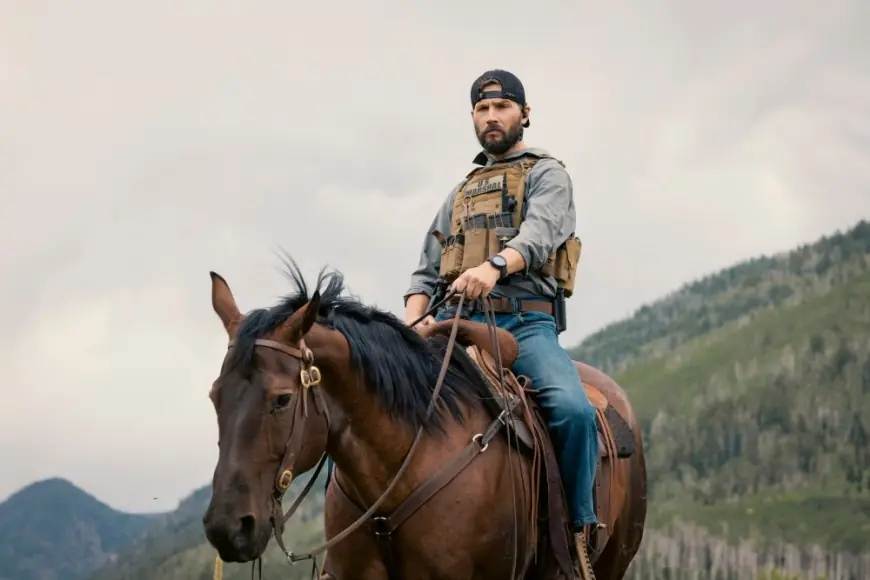
logan marshall-green plays Pete Calvin, a mission-critical figure in the first season of CBS’ Marshals, and he says the role demanded both physical precision and emotional complexity. The actor described a compressed production timeline and intense tactical choreography that shaped how the five-person marshal team moves and fights together.
Ryan Sangster and the 'Pain Train' choreograph the marshal unit
Marshall-Green outlined how the show's combat sequences were built around a collective rhythm the cast nicknamed the "pain train. " Because Pete Calvin and Kayce are presented as Navy SEALs, the production brought in a military consultant, Ryan Sangster, an ex-SEAL, to sharpen the unit’s tactics. That decision flowed directly from the creative need to make the marshal team operate like the "tip of the spear": the effect was a regimen of tactical drills designed so the five members would move as one when breaching doors and clearing corners.
The accelerated schedule intensified that work. Marshall-Green said he received his offer and was "boots-on-the-ground" training and shooting within two weeks, and that most of the cast began training almost immediately. The compressed timeline forced a focus on team choreography—everyone learning where to go and how to "dance" together—rather than on slow, stepwise preparation.
Logan Marshall-green on horseback work, long days and Thousand Peaks
Beyond close-quarters fighting, the role required equestrian skill and adaptation to a rugged production routine. Marshall-Green noted he had spent about half a year working as a ranchhand while making another film, and he used that experience to meet the horsemanship demands. Filming moved out to a location called Thousand Peaks, a site previously used for the first three seasons of Yellowstone, and the cast often traveled almost an hour to reach it.
The combination of weather and schedule shaped daily reality: some days consisted of what Marshall-Green called "six-day eps, " with early call times and cold conditions at the location. Practical necessities followed—he bought a four-wheel-drive truck once the Utah snow set in—yet he also emphasized small rewards, like being on horseback with a notable view even on difficult mornings.
Kayce, Pete Calvin and on-screen tension
Marshall-Green described Pete Calvin as a key influence on Luke Grimes’ Kayce, a Dutton family figure who joins the marshal team. Pete is the friend who helps Kayce secure the job and remains a formative presence despite wrestling with his own demons. That backstory shaped rehearsal and fight prep: the two characters’ shared SEAL background informed both their combat choreography and the subtler moments of their relationship.
What makes this notable is how production choices—rapidly launching shooting within two weeks, hiring an ex-SEAL consultant, and rehearsing a five-person combat sequence—translated directly into the series’ tonal realism and physicality. The cause and effect are clear: because the show prioritized authentic tactical interplay and a polished ensemble movement, the cast spent concentrated time learning to operate as a cohesive unit, which in turn reinforced the characters’ shared military past on screen.
Marshall-Green also spoke to the personal dynamics off camera. He called Luke Grimes "easygoing" and "grounded, " noting the two actors took hikes together early on to build rapport. Those informal steps complemented formal training, ensuring the team’s choreography and the characters’ fraught brotherhood felt aligned when the cameras rolled.
The series frames Pete Calvin as a complex, mission-critical figure whose influence on Kayce runs deep; production decisions—from bringing in Ryan Sangster to staging long days at Thousand Peaks—were tailored to make that influence both credible and visceral.