
























Kristen Wiig Says Iconic Bridesmaids Food‑Poisoning Scene Was a Late Addition

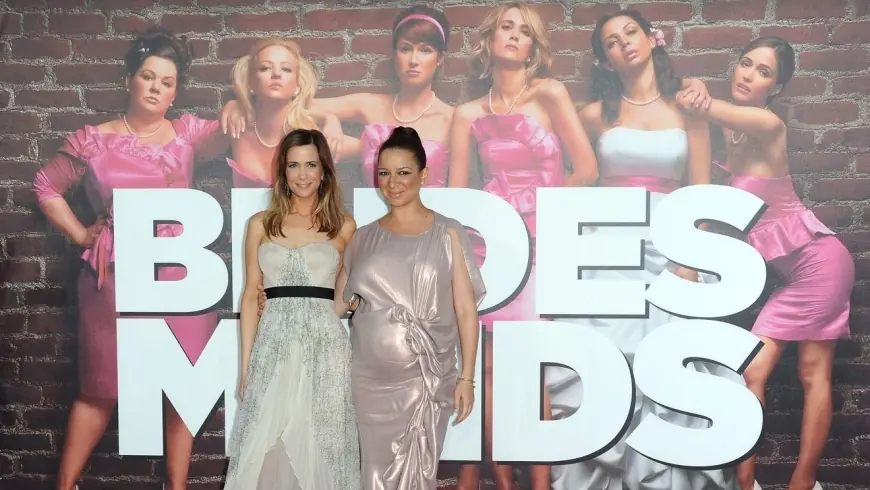
kristen wiig says the notorious bridal‑store food‑poisoning sequence in the 2011 comedy was not in the original screenplay but was added later, and that choice reshaped how the film handled gross‑out material. The moment matters now because its restrained construction and the cast’s varied reactions have helped the sequence endure as one of the movie’s most memorable set pieces.
Kristen Wiig on how the sequence was written
Wiig recalled that the food‑poisoning beat “came later in the writing process, ” a deliberate insertion by the writers as they sought to put their own stamp on a type of broad comedy often associated with male filmmakers. She and co‑writer Annie Mumolo set a clear limit: the scene should capture the escalating disaster without relying on gratuitous imagery. That creative boundary led the team to imply much of the grossness rather than showcase it outright.
The restraint was not accidental. Wiig said she did not want the scene to become a spectacle of bodily fluids, and the filmmakers followed through by cutting a planned moment in which a character would have projectile vomited into the bridal‑shop owner’s office. The removed beat, combined with the decision to keep many moments off‑screen, produced a version that balances shock and suggestion.
Food‑poisoning sequence and the cast’s performances
The scene unfolds after the bridal party eats at a Brazilian restaurant and then tries on dresses; everyone in the group except Helen is stricken. That specific setup allowed the filmmakers to concentrate on how each performer handled impending sickness. The film captures different reactions: one character sprays vomit onto a closed toilet seat, another vomits into a friend’s hair, a third unloads into a sink, and one character is given privacy by her flowing gown as she relieves herself outdoors. Those concrete beats were staged to reveal character rather than to maximize shock.
Director Paul Feig later described the sequence as a physical set piece designed to be active and attention‑getting, but he emphasized that the real humor came from the way the characters try to manage the situation before everything collapses. That framing—build tension through behavior, then let the scene fall apart—kept the sequence anchored in character dynamics instead of turning it into chaos for its own sake.
Legacy: awards, premieres and lasting clarity
The food‑poisoning scene has continued to stand out in discussions of the movie years after its release. The film premiered in 2011, and Wiig’s work as a co‑writer with Annie Mumolo earned her an Academy Award nomination for the screenplay. What makes this notable is how a late script decision, combined with editorial cuts and precise performance choices, produced a moment that is remembered more for the performers’ instincts than for explicit gore.
By turning a potentially lurid idea into a character‑driven sequence, the creative team preserved both the humor and the ensemble’s cohesion. The scene’s survival—trimmed, reframed and performed—illustrates how editorial judgment and collaborative acting choices can transform a draft idea into a defining cinematic moment.
kristen wiig has described the experience as “so fun” largely because it showcased the distinct comedic instincts of each cast member, and that shared craftsmanship helped the sequence secure its place in the film’s lasting reputation.