
























Pluribus’s Rhea Seehorn Looks Cool in Louis Vuitton at the Actor Awards

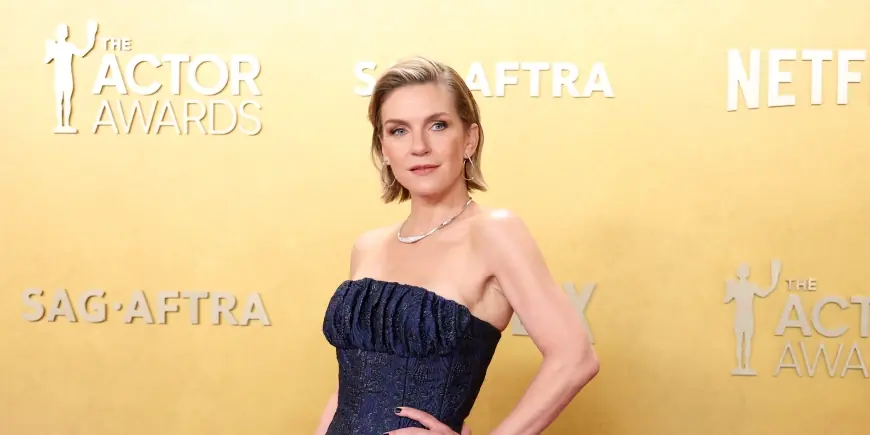
Rhea Seehorn received her first solo Actor Awards nomination for her turn in pluribus, where she plays Carol, a misanthropic novelist who remains autonomous after most of humanity joins a serene hive mind — and she walked the red carpet in a strapless Louis Vuitton as the series continues to prompt debate about whether utopia is something to root against.
Seehorn’s Actor Awards moment
This season marks a shift for Seehorn: she is nominated individually in the Outstanding Performance by a Female Actor in a Drama Series category for her work in the series. It is her first solo nod after earlier ensemble nominations in 2019, 2021 and 2023. She has already won Best Actress prizes at both the Critics Choice and the Golden Globes this season; a win at the Actor Awards would complete a hat trick of major trophies for the same role.
Why Pluribus asks us to root against utopia
At the center of the story is a provocative reversal of familiar post-apocalyptic tropes: instead of devastation, humanity is swept into a peaceful, highly connected collective. An airborne neurovirus links roughly 99. 9 percent of the population into a calm, cooperative hive mind known as the "Others. " Carol, the character played by Seehorn, is immune because of a genetic quirk and remains alone with her anxieties, messy life and creative block. The show frames the new "paradise" as eerie rather than ideal — unnaturally polite behavior, overpowering toxic positivity and a loss of creative friction.
A creative, philosophical argument on-screen
The series, crafted by a creator known for previous high-profile dramas, uses bright, saturated visuals and tonal irony to make an argument: that happiness without conflict can be a form of hollow sameness. One season scene has Carol attempting to read a novel produced by the collective; it is technically flawless but devoid of soul or conflict. That image drives the show's central thesis that friction — disagreement, sorrow, ambition — is necessary for art and innovation. The program asks viewers to consider whether a world without pain would also be a world without meaning.
What the awards moment signals next
The Actor Awards themselves have also shifted this year, adopting a new name after previously being known under a different title. Organizers explained the change as an effort to align the ceremony title more clearly with the statuette and to broaden recognition for actors in film and television. For Seehorn, the combination of a striking red-carpet moment, two major wins earlier in the season and her first solo nomination creates a clear narrative heading into the vote: if she wins this night, it will cap a sweep of critics' and industry honors for her performance. If not, the multiple wins already in hand will still underscore the role's impact.
Beyond trophies and fashion, the ongoing conversation around the series centers on its moral and aesthetic challenge: it forces audiences to ask whether they should cheer for a return to friction and messiness rather than a settled, painless order. That debate — reflected in red-carpet attention and awards momentum alike — is likely to continue as the show remains a focal point for discussions about creativity, happiness and what makes human life meaningful.