

























Centcom Debunks IRGC Aircraft Claim as U.S.-Israeli Strikes Continue After Khamenei’s Death

U. S. -Israeli strikes on Iran pressed into a second day on Sunday after the killing of Iranian Supreme Leader Ayatollah Ali Khamenei on Saturday, a sequence that has left Tehran reeling and raised the risk of broader regional instability. centcom disputed an Islamic Revolutionary Guard Corps claim that a U. S. military aircraft had been hit, even as explosions swept the Iranian capital and forces on both sides reported further action.
Tehran Explosions and March 1 Strike Imagery
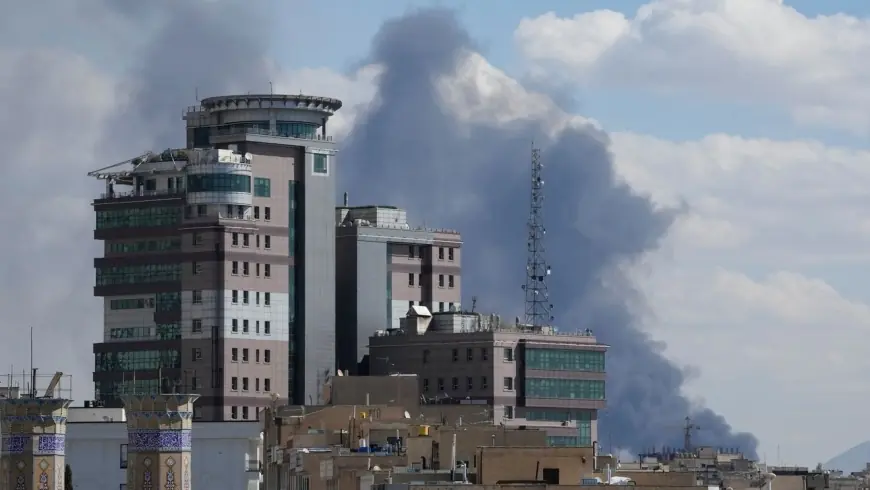
Explosions were reported in Tehran on Sunday as military activity progressed through the city. A plume of smoke was visible after a strike in Tehran on Sunday, March 1, 2026, an image that captured the immediate physical impact of the continuing attacks on Iran’s capital.
Three U. S. Service Members Killed and Five Seriously Injured
The strikes have produced U. S. casualties: three U. S. service members were killed and five were seriously injured. The identities of the victims were not made available. Those losses followed the initial strike campaign that began after Saturday’s killing of Ayatollah Ali Khamenei, a development now described as throwing the future of the Islamic Republic into uncertainty and creating a heightened risk of regional instability.
Islamic Revolutionary Guard Corps Claim and Centcom Debunk
The Islamic Revolutionary Guard Corps claimed that a U. S. military aircraft was struck during the exchanges. centcom, the U. S. Central Command, publicly debunked that claim in a social media post, challenging the IRGC’s account as the narrative around battlefield events diverged.
Iran’s Missile, Drone Retaliation and Revolutionary Guard Threat
In response to the strikes, Iran fired missiles and launched drones at U. S. and Israeli military bases, and also targeted the Saudi capital and the global business hub of Dubai. Iran’s paramilitary Revolutionary Guard has threatened what it described as its "most intense offensive operation" ever, naming U. S. and Israeli bases as explicit targets.
Leadership Council Change, U. S. Concerns and American Precautions
Iran has selected a 66-year-old cleric to join the leadership council that is governing the country until a new supreme leader is chosen. The shift in Tehran’s leadership structure comes as U. S. authorities emphasize a different, specific priority: the U. S. Intelligence Committee chairman identified Iran’s "vast missile arsenal" as the principal concern for American planners. The timing matters because the leadership transition and the weapons-related focus converge as strikes continue.
Diplomatic and civilian security steps followed the military escalation. U. S. embassies across the Middle East instructed employees to shelter in place on Sunday amid ongoing strikes, and American citizens living in or traveling through the region were advised to take similar precautions. The State Department issued a "worldwide caution" notice addressed to Americans abroad generally and singled out the Middle East for particular attention.
On the Israeli side, Defense Minister Israel Katz vowed "a non-stop air train" of strikes against Iran, signaling sustained operational intent as the conflict extended beyond a single day of action. What makes this notable is the combination of leadership uncertainty in Tehran, explicit pledges of continued strikes, and concrete U. S. concerns about missile capabilities—all active at the same moment.
The unfolding chain of events began with the killing of Ayatollah Khamenei on Saturday, precipitated continued U. S. -Israeli military action on Sunday, and produced both battlefield casualties and a series of retaliatory strikes and threats. The trajectory of escalation, the contested battlefield reports that centcom has moved to correct, and the diplomatic advisories now in effect underline the immediate and multi-dimensional nature of the crisis.