
























Kelly Osbourne in 2026 faces renewed “weight loss” and “new face” scrutiny after Brit Awards tribute

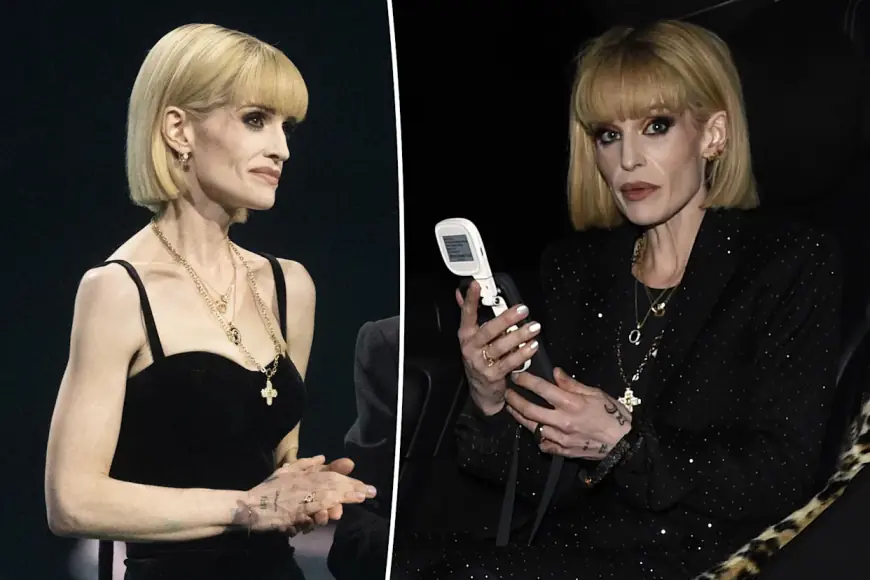
Kelly Osbourne is still alive, and she’s back in the public conversation in 2026 for two reasons that collided in the worst possible way: she appeared at the Brit Awards in Manchester on Saturday, Feb. 28, to accept a posthumous Lifetime Achievement honor on behalf of her late father, Ozzy Osbourne, and within hours the internet shifted from mourning and legacy to her body and her face. The ceremony moment was real and public. The “Kelly Osbourne weight loss” pile-on that followed was, too. What hasn’t been established is the tidy narrative many commenters rushed to push—diagnosing her health, listing cosmetic procedures, or insisting they know exactly “what happened to Kelly Osbourne” based on a handful of photos.
Osbourne responded publicly soon after, condemning the cruelty of the body-shaming and describing herself as being in the hardest time of her life while grieving. The bluntness of that response matters, because it exposes the dynamic that keeps repeating: when a celebrity returns to a big stage after time away, the public treats their appearance as fair game—even when the reason they’re onstage is loss.
Kelly Osbourne Brit Awards appearance: a grief moment that became a referendum
The Brit Awards appearance wasn’t a fashion stunt or a promotional stop. It was an act of family representation. Osbourne stood alongside her mother, Sharon Osbourne, to receive a career honor meant to crystallize a legacy, not restart a publicity cycle. That context makes the backlash that followed feel especially jarring: the night was about a father’s work and a family’s grief, yet the headlines people wrote for themselves centered on cheekbones, weight, and whether she looked “too thin.”
Part of what fueled the whiplash is timing. Ozzy Osbourne died on July 22, 2025, at age 76. Public grief doesn’t move on a clean schedule, but internet attention does. Award shows compress complex feelings into a few minutes, and the audience’s gaze jumps quickly from the meaning of the tribute to the surface details of who delivered it.
Osbourne’s reaction signaled that she understands the machinery—and wants no part of it. She didn’t politely “address rumors.” She described the response as dehumanizing, and she framed the cruelty as something happening while she’s trying to hold her family together. That framing is important: it’s not a debate about “public figures and criticism.” It’s about empathy being optional in a culture optimized for engagement.
Kelly Osbourne weight loss: what’s documented versus what people assume
Osbourne’s weight loss story has a documented timeline that predates the Brit Awards by years. In 2018, she underwent gastric sleeve surgery and has described it as one of the best decisions she made for her health. She has also talked about lifestyle changes around that period, and about how her body has shifted at different stages of her life.
What often gets lost is that her public story includes both weight loss and weight gain. She has spoken about gaining a large amount of weight after pregnancy and welcoming her son in 2022, and about how motherhood and stress reshaped her relationship with her body. Those details complicate the simplistic claim that her appearance “must” be tied to one single cause.
The 2026 chatter, however, is built on a different impulse: treating weight loss as evidence of something sinister or scandalous. Some commenters insist it must be medication. Others insist it must be illness. Others treat it as a moral argument—too much, too fast, too extreme. But none of that is proof of anything. Bodies change for ordinary reasons that don’t translate well into viral certainty: grief affecting appetite, insomnia, anxiety, training routines, and natural fluctuations that look dramatic when you haven’t seen someone in a while.
If there is one reliable conclusion from the Brit Awards week, it’s this: the public is not responding to a medical file. It’s responding to a snapshot and a narrative it wants to be true.
Kelly Osbourne “new face” and plastic surgery rumors: photos can’t confirm procedures
“Kelly Osbourne new face” is the kind of phrase that spreads because it sounds like an explanation, when it’s really just a reaction dressed up as analysis. People see a difference, then backfill a cause. But facial appearance is one of the most volatile things to judge from red-carpet footage. Lighting at live events is harsh and directional. Makeup for stage cameras is heavier than everyday makeup. Lenses distort proportions. Hairstyles alter perceived facial shape. And weight loss itself changes facial volume, sometimes dramatically.
Osbourne has previously denied having plastic surgery on her face while also making clear she isn’t judgmental about cosmetic procedures in general. That nuance gets flattened online because it doesn’t satisfy the audience’s desire for a clean answer. The truth is that without an explicit confirmation from her—or credible documentation—claiming a specific procedure is speculation. Even if a change looks obvious to someone, “obvious” isn’t evidence.
The deeper point is less about what she did or didn’t do, and more about why people feel entitled to demand an explanation. There’s an unspoken rule in celebrity culture that a woman’s body must remain familiar to the audience. When it doesn’t, the audience acts like it has been wronged. Osbourne’s Brit Awards appearance broke that expectation simply by showing time and stress on a face people feel they “know.”
What happens next for Kelly Osbourne now, and why the conversation may shift
Osbourne’s immediate next move will likely determine whether this story keeps spinning or cools down. If she continues speaking out, the public conversation could pivot from her appearance to the cruelty she’s calling out, especially as more people recognize the timing: she is mourning, and the comments are landing in the middle of that.
If she goes quiet, the speculation may persist anyway, because the rumor cycle doesn’t require new facts. It requires repetition. But there are also natural off-ramps: once the award-show moment fades from people’s feeds, attention typically shifts to the next target.
Either way, the most important context remains the one the internet tried to skip: her appearance at the Brit Awards was tied to a family loss and a public honor, not an invitation to audit her body. Osbourne’s message after the backlash wasn’t complicated. She is grieving. She is doing her best. And she is done accepting cruelty as the price of being seen.