
























Why this St. David's Day felt different — Catherine's first Welsh-only message and a rain-soaked royal tour

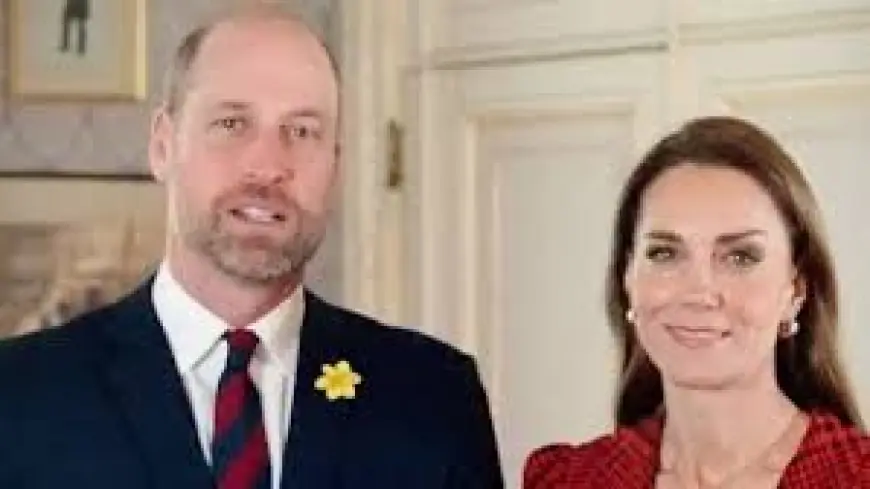
Because this year’s st. david's day combined a linguistic milestone with a hands-on visit, the usual holiday greetings carried extra weight. Catherine, Princess of Wales, recorded her first video message delivered entirely in Welsh, shared alongside Prince William after a visit earlier in the week that took them to Powys, Llanidloes and Newtown. The timing — recorded on the Windsor estate and published by an official royal account — tied the filmed message to the couple’s on-the-ground engagements in mid Wales.
St. David's Day in context: why the message arrived now
The decision to record a Welsh-language message coincided with the couple’s visits in Wales earlier this week, creating a direct link between on-site engagements and the formal St. David’s Day greeting. The Prince had delivered a Welsh message on St. David’s Day the previous year, and this time the Princess contributed a fully Welsh address for the first time. Here’s the part that matters: recording the message after local visits and releasing it for the national celebration amplified the couple’s presence on 1 March.
What they said and where the video was recorded
The video, recorded earlier this week on the Windsor estate and shared by an official royal account, shows the couple speaking in Welsh. William offered a St. David’s Day greeting to everyone in Wales and described the country positively, while Catherine said Wales is very close to their hearts and expressed anticipation for future visits. In the filmed closing, the Princess sent wishes for a day of celebration with family and friends. In the video they wore daffodils on their lapels, the national flower of Wales.
Visits in mid Wales: Llanidloes, Newtown and Powys
Earlier in the week the pair travelled first to The Hanging Gardens in Llanidloes, a community project focused on resilience and creativity, then to an art gallery in Newtown, before visiting Powys. During those stops the Princess spoke about her interest in mothers’ mental health while meeting members of a perinatal service for women experiencing problems linked to early motherhood. The mid Wales visit included a rainy Wednesday engagement where those conversations took place.
Crowds, weather and community moments
Arriving in wet weather, the royal couple encountered cheering crowds waving Welsh flags and holding bunches of daffodils. They spent time sipping hot drinks, speaking to people making signs, baking cakes and preparing traditional stew for the festivities. Despite the rain they spoke with well-wishers for about 25 minutes and posed for selfies, creating the on-the-ground scenes that preceded the recorded Welsh message.
- The recorded message and the visits tied the couple’s public-facing outreach to the national celebration on 1 March.
- Community projects and a perinatal service were central stops, highlighting local resilience and mothers’ mental health as focal points.
- Visual symbols — daffodils on lapels, flags and local food preparations — framed the visits as familiar, community-led festivities.
- A prior Welsh-language message from the Prince on St. David’s Day last year set a recent precedent for bilingual outreach.
Wales’s celebrations and a brief note on the saint
Events including parades and concerts will be held in villages and towns across Wales to celebrate St. David’s Day on Sunday. Little is known about the saint: legend holds he was born on a clifftop in Pembrokeshire during a violent storm after angels foretold his birth to St Patrick 30 years earlier. Some believe he lived for 100 years and that he died on 1 March 589, which is recognised as the Feast of St David.
If you’re wondering why this keeps coming up, the combination of in-person engagements and a first fully Welsh message from Catherine is an unusual pairing for this holiday — it links community work, symbolic gestures and formal greetings in one short moment. It’s easy to overlook, but recording the message on the Windsor estate after community visits made the greeting feel both locally rooted and ceremonially official.
Writer’s aside: the sequence — visits in mid Wales followed by a filmed Welsh message — reads like a deliberate attempt to connect local interactions with national celebration, though details about internal planning are unclear in the provided context.