





















Ayatollah and Supreme Leader of Iran: Iran Leader Dead Rumors Swirl After Strikes, But Iran Says He Is Alive

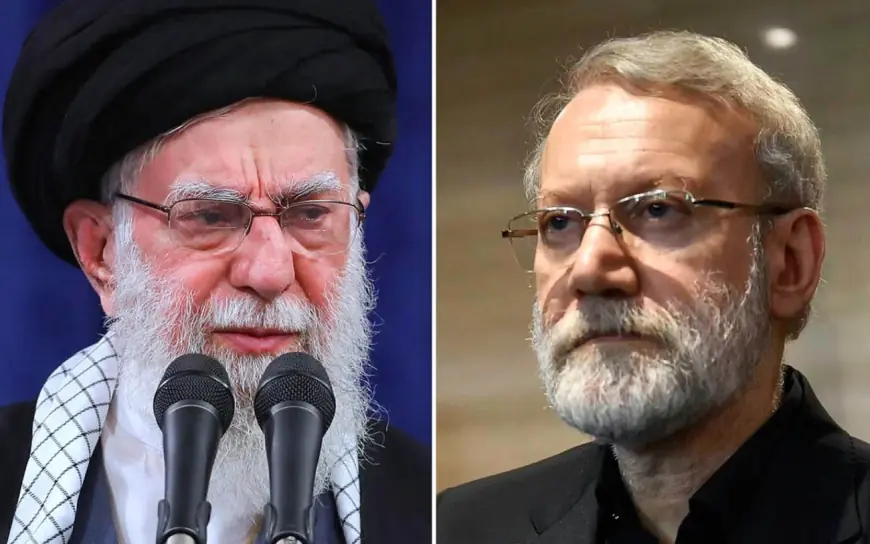
Questions about the Ayatollah, the supreme leader of Iran, and claims that the iran leader dead or iran leader killed have surged on Saturday, Feb. 28, 2026 (ET), after major U.S.-Israeli strikes hit multiple sites in Iran, including areas tied to senior leadership security. The uncertainty has been amplified by conflicting claims circulating online, while Iranian officials have pushed back publicly, saying the country’s top leader is alive.
At the center of the speculation is Ayatollah Ali Khamenei, Iran’s supreme leader since 1989, whose role in Iran’s political system combines ultimate authority over the military, foreign policy, and key state institutions. With Iran now exchanging fire across the region, the question of leadership continuity has become a critical variable for what happens next.
Ayatollah Targeting Claims Fuel “Iran Leader Dead” and “Iran Leader Killed” Searches
The spike in “iran leader dead” and “iran leader killed” queries began after early strike reports suggested that one of the opening waves hit a compound associated with the supreme leader’s security perimeter in Tehran. Within hours, social media clips and headlines framed the situation as a potential decapitation strike, even though no conclusive proof was available in real time.
Israel’s early messaging focused on pre-emptive action against Iranian military capabilities, while U.S. statements described major combat operations aimed at degrading Iran’s ability to launch missile and naval attacks. That combination left room for speculation that leadership nodes were also being targeted.
In parallel, unverified accounts claimed the supreme leader had been wounded or killed, while other posts claimed he had been moved to a secure location and communications were temporarily disrupted.
Supreme Leader of Iran Status: Iran Says He Is Alive, Public Appearance Teased
Iranian officials have publicly stated that the supreme leader of Iran is alive. Iran’s foreign minister told a U.S. television outlet that the supreme leader and the president were alive “as far as I know,” a phrase that calmed some concerns but also underscored the fog-of-war nature of the moment.
Separately, Iranian state-linked broadcasters signaled that a statement or appearance from the supreme leader could be released, an approach Iran has used before to counter destabilizing rumors and reinforce command-and-control messaging.
Until an on-camera statement is released, uncertainty is likely to remain elevated, especially as communications disruptions, security lockdowns, and the pace of military events limit independent verification.
Why the Ayatollah’s Fate Matters to Iran’s Next Moves
In Iran’s system, the Ayatollah is not a ceremonial figurehead; he is the strategic decision-maker. If the supreme leader were incapacitated or killed, it would trigger a high-stakes succession process involving the Assembly of Experts, elite security institutions, and internal factions.
Even the perception that the Ayatollah is missing or wounded can have immediate consequences:
-
It can accelerate Iranian retaliation to project strength.
-
It can embolden hardline commanders to seize initiative.
-
It can unsettle markets and raise fears of wider regional escalation.
-
It can intensify domestic uncertainty inside Iran during an external crisis.
Intelligence assessments circulating in Washington ahead of the strikes have suggested that, even in a leadership-loss scenario, Iran’s next leader would likely emerge from hardline circles rather than from reformist currents—meaning policy could become more confrontational, not less.
Senior Command Losses Add Confusion Around “Iran Leader Killed” Claims
Another reason “iran leader killed” claims spread quickly is that Iran has faced confirmed or widely cited losses among senior military leadership during the initial strike period. Reports have circulated that top defense and Revolutionary Guard figures were killed in the opening attacks, creating an information environment where leadership death claims feel plausible to casual readers.
Those losses matter because the Islamic Revolutionary Guard Corps plays a central role in Iran’s internal security and regional operations. If senior IRGC command has been disrupted, Iran may lean toward rapid, high-visibility retaliation as both a military and political signal.
What We Know Now: A Simple Status Timeline (ET)
| Time Window (ET) | Key Development | What It Means for “Iran Leader Dead” Claims |
|---|---|---|
| Early Saturday morning | Strikes hit multiple targets in Iran, including Tehran-area sites | Sparks immediate uncertainty about leadership safety |
| Late morning to afternoon | Online claims spread that iran leader dead / iran leader killed | Largely unverified, driven by speculation and fragmented reports |
| Afternoon | Iranian officials state the supreme leader is alive | Direct denial, but still awaiting stronger proof like video |
| Late afternoon into evening | Signals emerge that a message may be broadcast | A public appearance would sharply reduce uncertainty |
What to Watch Next
The fastest way the “iran leader dead” narrative collapses is a recorded video address from the Ayatollah. If that happens, focus will shift immediately to Iran’s operational response, including additional missile launches, threats to regional bases, and maritime pressure.
If a verified public appearance does not materialize soon, uncertainty may persist and grow, especially as military exchanges continue. In that scenario, rumors about the supreme leader of Iran will remain tightly linked to the larger question driving today’s crisis: whether the conflict stays limited to strikes and retaliation, or expands into a prolonged regional war with unpredictable political consequences inside Iran.