
























Jamaica Hurricane Melissa: Four-Month Recovery Update — Tourism Rebounds but Full Recovery Is Four Years Away

Four months after Hurricane Melissa made landfall in Jamaica on October 28, 2025, as the strongest hurricane ever recorded to strike the island, recovery is well underway — but far from complete. Tourism is surging back, schools are being rebuilt, clean water is flowing again, and international aid is pouring in. The devastating human and economic reality, however, will take years to fully address.
Jamaica Hurricane Melissa: The Storm by the Numbers
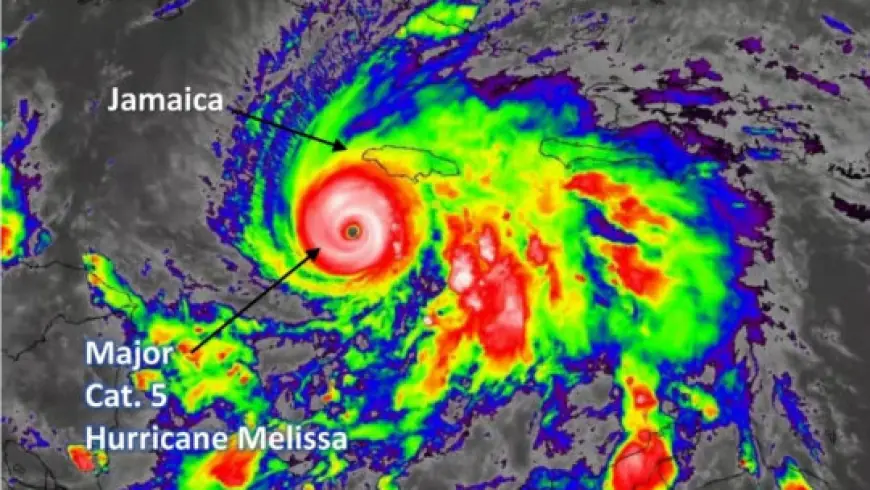
Hurricane Melissa made landfall near New Hope, Westmoreland, Jamaica, as a Category 5 storm with catastrophic 185 mph winds — the strongest hurricane ever to strike Jamaica, surpassing Hurricane Gilbert in 1988. At least 45 people were killed, 13 were missing, and 96 others were injured across Jamaica alone.
Jamaica alone sustained an estimated $8.8 billion in physical damage — representing 41% of the nation's entire 2024 GDP. Agricultural losses were particularly severe, with roughly 41,390 hectares of farmland affected and over 70,000 farmers suffering losses. The coffee sector sustained damage to approximately 40% of trees, with an estimated 45% loss in production valued at $833.8 million. More than 1.25 million animals perished, including poultry, livestock, and aquaculture stock.
Bank of Jamaica Extends Recovery Outlook to Four Years
The Bank of Jamaica now expects the economy to take up to four years to recover from Hurricane Melissa — a significant revision from earlier projections of two to three years — as the central bank acknowledged lasting damage to growth, capital, labor, and productive capacity. The deeper economic wounds run far beyond visible physical destruction, with the storm's impact on productive capacity and labor markets now considered more severe than initial post-storm estimates indicated.
On January 16, 2026, the IMF Executive Board approved emergency financial assistance of approximately $415 million for Jamaica under the Rapid Financing Instrument's large natural disaster window, citing the country's strong track record of economic reforms and the urgent balance-of-payments need created by Hurricane Melissa. Without that injection of international financial support, analysts warned the timeline for full recovery could stretch well beyond four years.
Jamaica Tourism Recovery: 80% Capacity and All Three Airports Open
The Jamaica Hurricane Melissa recovery story has a rare genuine bright spot — tourism. Tourism Minister Edmund Bartlett stated that Jamaica expects to have roughly 80% of tourism back by the first quarter of 2026 and the remaining 20% by year end. All three of Jamaica's major airports — Sangster International in Montego Bay, Norman Manley International in Kingston, and Ian Fleming International in Ocho Rios — have returned to full normal operations. Sandals will take until May 2026 to reopen its final three Jamaican properties.
Bartlett declared publicly that Jamaica's recovery has exceeded expectations, calling the island "stronger, more resilient and more committed than ever to delivering the authentic Jamaican experience." The tourism sector represents more than 30% of Jamaica's GDP and supports approximately one-third of employment across the island. Jamaica recorded 4.3 million visitors in 2024, and tourism officials project full recovery by December 2026.
Schools Rebuilding Across Jamaica — 160 Still Closed Months Later
As of February 26, 2026, Jamaica's National Education Trust has stepped up restoration efforts at schools in St. Ann, helping damaged institutions rebuild and restore normality. The trust recently visited Bamboo Primary School and Marcus Garvey Technical High School, both of which sustained significant infrastructural damage during the storm, with classrooms affected and roofs torn off.
Of 1,010 public schools in Jamaica, 721 were damaged and 160 remained closed six weeks after the storm. While significant progress has been made in the months since, thousands of students are still attending classes in compromised conditions as repairs continue. Families across Jamaica told Good360's disaster response team in January that the devastation is not over — not for parents keeping children dry in roofless homes, not for schools waiting for teachers and students to return, and not for small business owners whose livelihoods washed away overnight.
Clean Water Restored to 58,000 Jamaicans Daily Through Aid Operations
Water Mission installed safe water treatment systems in seven locations across Jamaica. As of mid-February 2026, the organization has produced more than 1.7 million gallons of safe water, serving more than 58,000 people daily. The project, which began within two weeks of landfall, will be handed over to UNICEF Jamaica and local system operators by the end of February 2026 for long-term community management.
Jamaica's existing surveillance and laboratory capacity played a critical role in detecting and managing a leptospirosis outbreak that emerged in the weeks after the storm. Cases peaked in mid-November 2025 and declined sharply, with no confirmed cases reported during the first days of 2026. More than 3,000 people have already been trained in Psychological First Aid, with training continuing in early 2026, as Jamaica works to integrate mental health care into its broader recovery.
International Aid Surpasses $10.9 Million in Medical Supplies Alone
As of January 28, 2026, Direct Relief — in partnership with Carnival Corporation, the Miami Heat, and the Micky and Madeleine Arison Family Foundation — had delivered more than 25 shipments of medicines and medical supplies valued at more than $10.9 million to 13 organizations working across Jamaica, Haiti, Cuba, and the Dominican Republic. An additional shipment of 20 midwife kits sufficient to support 1,000 facility-based safe births for the Jamaican Midwives Association is currently underway.
Despite the scale of international support flowing into Jamaica following Hurricane Melissa, on-the-ground NGO teams consistently report the same message: the aid is meaningful but the need is vast, and the gap between emergency response and genuine long-term reconstruction remains significant across the island's hardest-hit western parishes.