

























Snow Storm Weather Forecast: What to Expect as a Major Winter System Builds

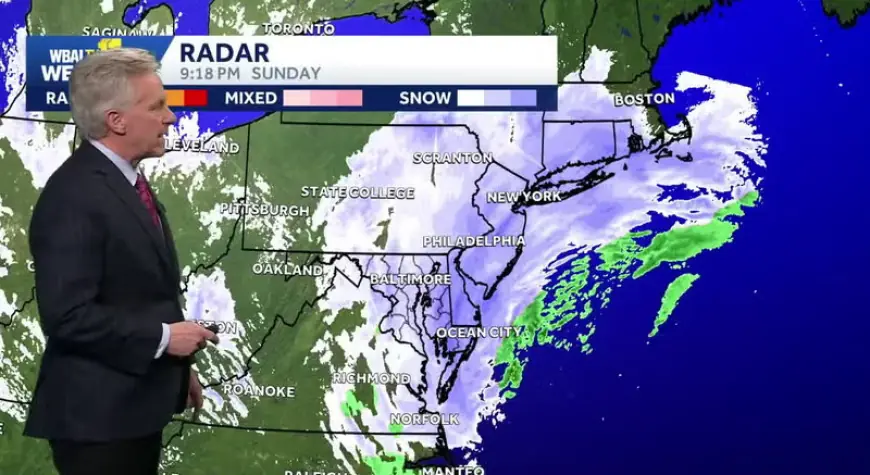
A powerful winter system is developing that could bring heavy snow, strong winds, and dangerous travel conditions across parts of the United States and southern Canada over the next several days. Forecasters warn that rapidly changing temperatures and moisture from the south may combine with cold Arctic air, creating ideal conditions for a significant snow storm.
Here’s what you need to know about the upcoming weather forecast snow storm pattern.
Where the Snow Storm Is Expected to Hit
Current models show the system tracking across portions of the Midwest, Great Lakes, and Northeast in the U.S., with potential impacts extending into Ontario and Quebec in Canada.
Areas most likely to experience accumulating snowfall include:
-
Northern Illinois and Wisconsin
-
Michigan and parts of Ohio
-
Upstate New York
-
Northern Pennsylvania
-
Southern Ontario
Depending on the storm’s final track, snowfall totals could vary significantly within short distances.
Snowfall Totals and Wind Threat
Forecast projections suggest:
-
6 to 12 inches of snow in heavier bands
-
Isolated areas potentially exceeding 12 inches
-
Wind gusts between 30–45 mph in exposed areas
-
Blowing and drifting snow reducing visibility
When strong winds combine with falling snow, near-blizzard conditions can develop even if snowfall rates are moderate.
Travel and Commuter Impact
Travel disruptions are likely, particularly during peak commuting hours if the storm intensifies quickly. Airports in Chicago, Detroit, Cleveland, Buffalo, and Toronto could experience delays or cancellations if snowfall rates exceed one inch per hour.
Drivers should prepare for:
-
Snow-covered highways
-
Black ice formation as temperatures fluctuate
-
Reduced visibility in open rural areas
-
Slower emergency response times
Officials typically advise limiting non-essential travel during peak snowfall periods.
Temperature Drop Behind the System
Behind the snow storm, colder Arctic air is expected to sweep into affected regions. Overnight temperatures could plunge into the teens or single digits Fahrenheit in some Midwestern states, increasing the risk of refreezing and icy road conditions.
The cold air mass may also extend into parts of the Northeast and southeastern Canada, prolonging hazardous conditions even after snowfall ends.
How to Prepare for the Snow Storm
Residents in impacted regions should consider:
-
Stocking essential supplies and medications
-
Charging mobile devices and backup batteries
-
Ensuring vehicles have adequate fuel
-
Checking heating systems and carbon monoxide detectors
-
Monitoring local weather alerts for updates
Even if your area is forecast to receive lighter snowfall, small shifts in storm track can significantly alter local totals.
What Happens Next
Meteorologists will continue refining snowfall projections as new data arrives. Winter systems can shift 50–100 miles in track, dramatically changing who sees heavy snow versus lighter accumulations.
For now, the weather forecast snow storm setup points to a disruptive winter event across parts of the northern U.S. and southern Canada. Residents are encouraged to stay alert as the system strengthens and moves eastward over the coming days.