

























Bbc News: Rising uncertainty and verification gaps after claims of Pakistan strikes, a downed jet and warship reports

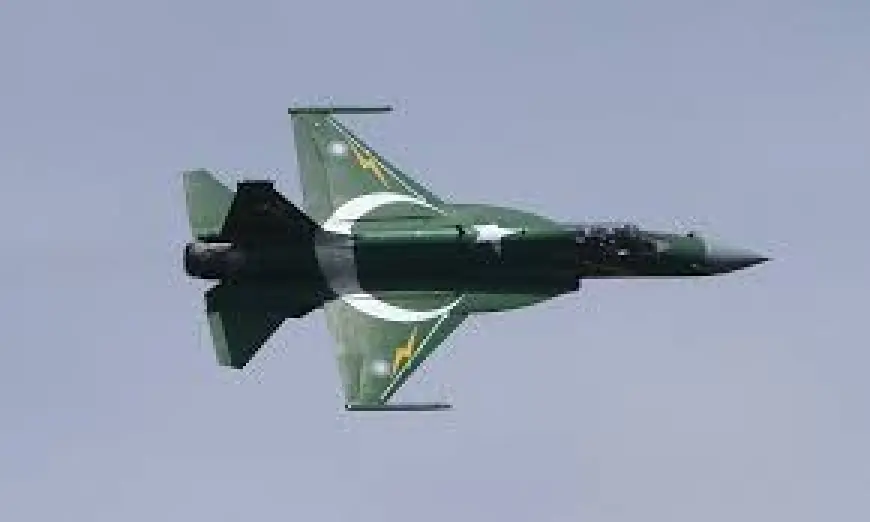
Why this matters now: news verification crews are confronting simultaneous, conflicting signals — AI-generated images and recycled footage tied to overnight strikes by Pakistan in Afghanistan, a headline claiming a Pakistani jet was shot down in Jalalabad with its pilot captured alive, and separate operational questions about a forward-deployed carrier. That convergence increases the risk of misinterpretation for analysts, local audiences and verification teams alike.
News — where uncertainty is concentrated and what could change the picture
Here’s the part that matters: the core uncertainties are not just whether individual visuals are real, but how fast misleading material and contested incident claims move together. Verification work has split into three distinct strands, complicating clarity: debunking manipulated imagery tied to the strikes, tracking a separate headline about a downed jet in Jalalabad and monitoring a carrier’s operational reports and statements. Any one strand shifting — for example, new confirmation about the downed jet or authenticated satellite imagery — would change the narrative rapidly.
Event details embedded in the verification effort
Multiple items of raw context are in play. Teams are debunking AI-generated images and old footage that claim to show downed aircraft following overnight strikes by Pakistan on targets in Afghanistan. Context documents state that Pakistan conducted strikes on two provinces and the capital, Kabul, in response to a major offensive that the Taliban announced against Pakistani military posts. Separately, a headline in the material asserts that the Afghan Taliban shot down a Pakistani jet in Jalalabad and captured the pilot alive; that claim appears as a discrete report within the set of material being tracked.
Carrier movements and crew issues: what the feed is tracking
Verification work is also following the world's largest carrier, the USS Gerald R Ford. The vessel left Greece yesterday and is expected to arrive near Israel, and its deployment is noted in the context as extending to 247 days. There have been reports this week of plumbing issues aboard the ship; old videos claiming overflowing toilets circulated and were debunked. A naval statement referenced recent media concerns about shipboard systems, including sanitation. The commanding officer, Captain David Skarosi, explained that clogs typically result from items flushed into the system and that such problems are quickly resolved with no impact to operational readiness. Admiral Daryl Caudle addressed reported morale worries by saying extended deployments demand endurance and require sailors to miss key life events at home.
Fact-checking in the UK and outreach work included in the coverage
The feed also describes fact-checking tied to a domestic by-election context: after a Green Party by-election win, teams examined claims by Zak Polanski about wealth tax and examined material tied to Zack Polanski’s statements on related fiscal issues. The team also looked into Labour’s claim that Nigel Farage was responsible for the £350m bus claim during the Brexit referendum campaign following the Gorton and Denton by-election. The verification operation notes use of open-source intelligence, satellite imagery, fact-checking and data analysis to manage complex stories. The feed posts work throughout the day and invites readers to get in touch by a link. Thomas Copeland is identified in the material as a Verify Live journalist. A verification team reached Glasgow and met nearly 200 teenagers to discuss disinformation, AI and verification work.
Quick editor Q&A on the central uncertainties
- Is the footage of downed aircraft authentic? The material being handled includes AI-generated images and old footage that have been debunked in the verification stream; questions about other visuals remain unsettled.
- Was a Pakistani jet shot down in Jalalabad and was a pilot captured? The context contains a headline claiming the Afghan Taliban shot down a Pakistani jet in Jalalabad and captured the pilot alive; details are unclear in the provided context and may evolve as verification continues.
- What is the status of the carrier and onboard issues? The carrier left Greece yesterday and is expected near Israel, its deployment is recorded as 247 days, and the navy issued a statement on Thursday addressing sanitation and shipboard-system concerns; commanding and flag officers characterized clogs as fixable and warned about the endurance demands of extended deployments.
It's easy to overlook, but the pairing of manipulated imagery with live operational headlines creates distinct verification pressure: one thread requires technical image forensics, the other needs corroborating human- and signal-intelligence. The real question now is how quickly independently verifiable confirmations — for example authenticated satellite images or multiple on-the-ground confirmations — appear to resolve the downed-jet claim.
Writer's aside: What’s hard to quantify from the material is how much recycled footage and AI-manipulated visuals have already altered perceptions on the ground; that blending is exactly what verification teams are racing to separate.