






















Iran Prepares for War and Survival: Insights from The New York Times

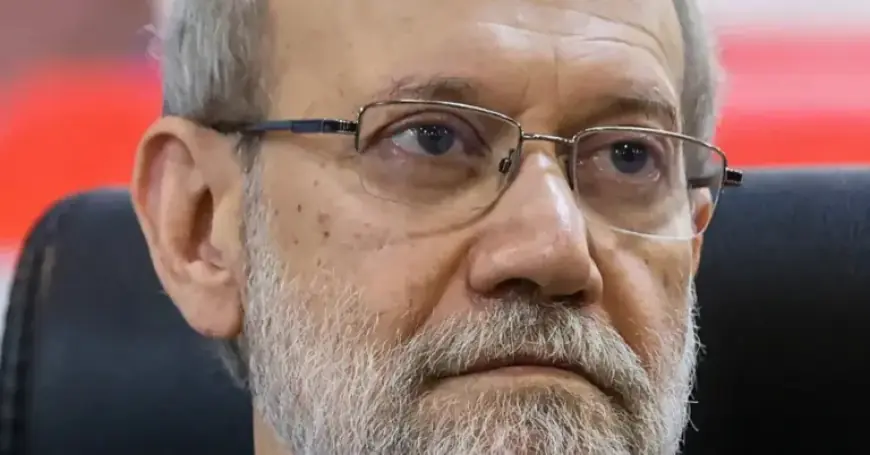
As tensions escalate between Iran and the United States, the nation is bracing for potential conflict. In this context, Supreme Leader Ayatollah Ali Khamenei has appointed Ali Larijani, a seasoned political figure, to lead Iran’s response. This strategic move underscores Iran’s focus on survival amid external threats.
Leadership Shift in Iran
Currently, Ali Larijani, 67, serves as the head of Iran’s Supreme National Security Council. His expertise stems from a lengthy career in politics and military service, having previously commanded within the Revolutionary Guards Corps. This leadership change has effectively sidelined President Masoud Pezeshkian, who publicly struggles to assert his influence.
Larijani’s Expanding Role
- Instrumental in quelling domestic protests with decisive force.
- Engages in nuclear negotiations with the United States.
- Coordinates with international allies, notably Russia, Qatar, and Oman.
Larijani’s leadership is characterized by proactive measures as he prepares Iran for potential military engagement. He stated, “We are definitely more powerful than before… if they force it on us, we will respond.” This assertion reflects Iran’s determination to withstand U.S. pressures.
Strategic Military Preparations
The Iranian military is currently in a state of heightened alert. Reports indicate a repositioning of ballistic missile systems near the Iraqi border, capable of targeting both American assets and Israel. In recent months, Iran has conducted military exercises, including missile tests and operations that temporarily closed vital maritime routes.
Khamenei’s Directive for Survival
Ayatollah Khamenei has articulated a comprehensive survival strategy, ensuring the Islamic Republic’s resilience against U.S. military strikes and possible assassination attempts on its leadership. He has outlined a succession plan within military and governmental roles, emphasizing the need for continuity in leadership.
Contingency Planning Amid Tensions
- Succession plans include key figures such as General Ghalibaf and Ali Larijani.
- Contingency measures account for the potential destabilization of the regime.
- Political survival strategies focus on preventing internal unrest.
Officials close to the supreme leader have voiced concerns regarding the unpredictable consequences of a potential U.S.-Iran conflict. Ali Vaez from the International Crisis Group noted the critical role of Khamenei in maintaining regime stability. His diminished public presence, however, raises questions about the Iran leadership’s cohesion.
Visible Leadership Amidst Crisis
In recent weeks, Ali Larijani’s visibility has increased significantly. His diplomatic efforts include meetings with high-profile leaders and engagement with both foreign and national media. Conversely, President Pezeshkian appears increasingly reliant on Larijani for policy direction.
Future Prospects and Challenges
The Iranian government remains cognizant of the delicate balance between military readiness and diplomatic negotiations. As Larijani and Khamenei strategize for the future, the outcome of U.S.-Iran relations hinges on their ability to navigate these tensions effectively.
In conclusion, as Iran prepares for potential conflict, the leadership dynamics, strategic military positioning, and contingency planning indicate a nation bracing itself for challenges ahead. The approach of Khamenei and Larijani underscores a commitment to not only survive but potentially thrive in a turbulent geopolitical landscape.