
























Neil Sedaka, singer of Breaking Up Is Hard To Do and pop hitmaker, dies aged 86

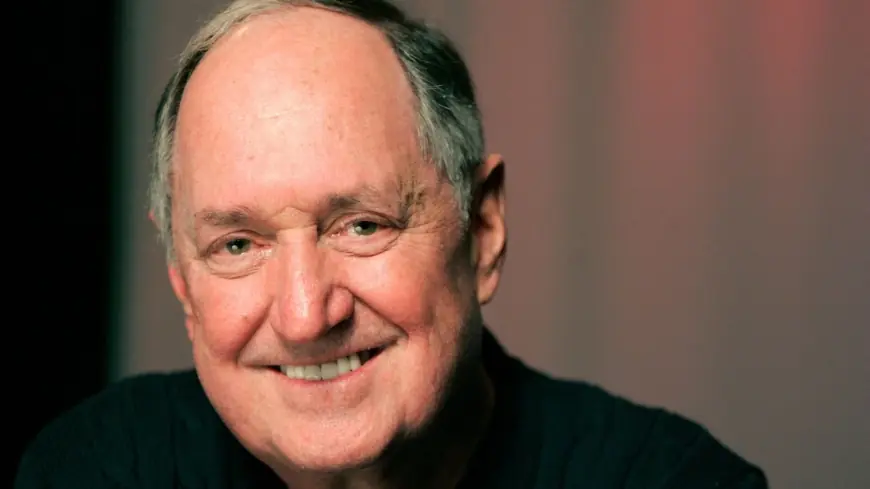
Neil Sedaka has died at the age of 86, his family said, ending a six-decade career that produced classics such as Breaking Up Is Hard To Do, Oh! Carol and Laughter in the Rain. While one account notes he was taken to hospital in Los Angeles before his death and a representative confirmed his passing on Friday, other family statements did not disclose where he died or a cause; details about place and cause are unclear in the provided context.
Neil Sedaka: family statement and public reaction
His family said: "Our family is devastated by the sudden passing of our beloved husband, father and grandfather, Neil Sedaka. " In the same statement they added he was "a true rock and roll legend, an inspiration to millions, but most importantly, at least to those of us who were lucky enough to know him, an incredible human being who will be deeply missed. " The family did not provide further details about the circumstances of his death in one account, while another account said he was taken to hospital in Los Angeles and that a representative confirmed his death on Friday; no cause of death has been given.
Career highlights and signature songs
Neil Sedaka wrote and performed hits through the 1950s and 1960s, with an enduring catalogue that includes Oh! Carol, Breaking Up Is Hard To Do, Bad Blood, Laughter in the Rain and Calendar Girl. He also wrote songs that became hits for other artists, notably Stupid Cupid and Love Will Keep Us Together.
- Early hits and teen-idol era: multiple charting songs in the late 1950s and early 1960s.
- 1970s comeback: re-entered the Top 10 in 1975 after writing Love Will Keep Us Together; a cover by Captain & Tennille topped the charts that year.
- Later repertoire: reemerged with hits such as Laughter In The Rain and Bad Blood.
Songwriting, collaborations and influence
Across a six-decades-long career Sedaka wrote for a range of other performers and collaborators. He wrote his first hit with his neighbour while still a teenager; Connie Francis recorded and released "Stupid Cupid" in 1958. In 1973 he collaborated with ABBA to write English lyrics for Ring Ring. His songs were recorded or covered by a broad set of artists, and he wrote for performers including Rosemary Clooney, Patsy Cline, Engelbert Humperdinck, the Carpenters and Cher. His work also found its way into notable covers by artists such as Elvis Presley, Frank Sinatra and Nickelback in later years.
Early life, training and the Brill Building
Born in 1939 and a Brooklyn native, Sedaka was trained at a prestigious New York music school; one account describes him as a student of the Juilliard School and another notes he won a scholarship to the Juilliard School at age nine (one account used the variant spelling Julliard). He became a key member of the Brill Building songwriting factory and teamed up with lyricist and boyhood neighbour Howard Greenfield, beginning a songwriting partnership that produced Happy Birthday Sweet Sixteen, Calendar Girl and Oh! Carol. He was also a founder of the doo-wop group The Tokens in the late 1950s.
Commercial success, awards and career arc
Between 1959 and 1963 Sedaka sold more than 25 million records and received his first Grammy nomination in 1962. He was later described as a skilled pianist who was nominated for five Grammy awards over the course of his career. The arrival of the British Invasion in the 1960s led to a waning of his popular visibility; one account notes that between 1963 and 1975 he worked very little before resurfacing in the mid-1970s with renewed chart success. He also recorded several albums for Elton John's record label in the 1970s and was cited as an influence on Elton John.
Performing life, later years and reflections
Sedaka maintained a six-decade career by touring and performing and was said to still play dozens of concerts each year well into his 80s. He retained enthusiasm for live performance and did not tire of songs he had sung hundreds of times. In 2012, during a London trip to perform a piano concerto at Royal Albert Hall, he said he planned to give a show to people "who are not used to going to a serious concert, " adding, "It's wonderful for the soul to be able to play classical music" and that traveling to perform his own lyrics and music was very rewarding and left him with no regrets. In another 2012 interview he recalled a remark from Pavarotti about vocal change with age and said he was fortunate his voice had held.
Neil Sedaka's death marks the passing of a prolific songwriter and performer whose catalogue crossed pop, rock and adult contemporary eras. While family tribute and multiple career milestones are clear, details about where he died and the cause of death remain unclear in the provided context.