





















Council Tax: council tax rises across English top-tier authorities and Durham's low-tax budget

More than four in five top-tier local authorities in England are planning significant council tax increases for 2026/27, while Durham's Reform administration has passed a low-tax budget that caps its own rise at 1. 99%. The contrast between a national pattern of high rises and a locally capped approach is shaping pre-budget conversations as councils publish their figures.
Majority of top-tier councils set 4. 99% Council Tax rise
Some 119 of the 153 top-tier authorities have either proposed or confirmed a 4. 99% increase for 2026/27, the largest rise possible without holding a local referendum. A further six councils with acute financial challenges are likely to accept government permission to increase council tax beyond that level. In total, 125 authorities—82% of the 153—are planning a rise of at least 4. 99%, down from 134 authorities, or 88%, in the previous year. The figures are a snapshot of what was available on February 25.
Which councils are not choosing the maximum rise
Twenty-five upper-tier councils are currently not looking to raise their bills by at least 4. 99%. Of those 25, eight have pencilled in rises between 4. 00% and 4. 98%, nine are planning increases between 3. 00% and 3. 99%, and the remaining eight are targeting rises between 1. 99% and 2. 99%. Some 10 of these 25 councils are run by Reform UK, either as the majority party or as a minority administration.
Reform-led authorities and permission for larger increases
By contrast with the 10 Reform-run councils not opting for 4. 99%, two Reform-led councils—Doncaster and North Northamptonshire—have signalled their intention to apply the maximum 4. 99% increase this year. Separately, Worcestershire has been given permission for a rise of up to 8. 99% to deal with financial pressures. The context also notes that six councils with acute financial challenges are likely to accept permission to go beyond the usual cap.
What the published list covers and how it is organised
The data covers only the 153 top-tier local authorities in England: county councils, London boroughs, Metropolitan boroughs and unitary authorities. It does not include lower-tier district councils. The list is divided into four sections corresponding to those four types of top-tier authority, with each section arranged alphabetically. For each authority the percentage increase in council tax in 2026/27 is given, and each entry notes whether the figure has been confirmed or proposed along with the current political control and whether the ruling party runs a majority administration, a minority administration or a multi-party agreement.
Three authorities and a seeming publication contradiction
The material also states that there are three top-tier authorities that have yet to make public a proposed or confirmed figure. Immediately following that line, three authorities are listed with published, confirmed figures: Cambridgeshire in Eastern England, Liberal Democrat majority, 4. 99% confirmed; Derbyshire in the East Midlands, Reform majority, 4. 90% confirmed; and Devon in South West England, Liberal Democrat minority, 4. 99% confirmed. The juxtaposition in the published material leaves the status of those three entries unclear in the provided context.
County Durham's Reform budget capped at 1. 99% and local disputes
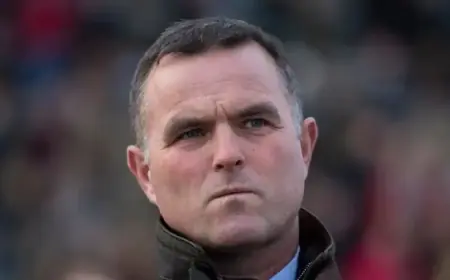
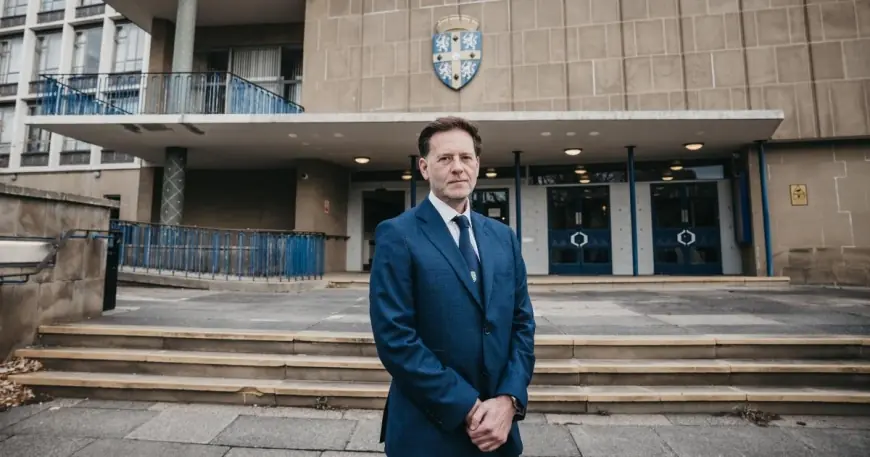
The Reform UK leader of Durham County Council says the Reform administration has just passed a £1. 5bn budget that "respects working people, " capping the council tax rise at a bare minimum 1. 99% and fully protecting the council’s reserves—an outcome the leader says has been achieved for the first time in 15 years. The leader also wrote that "net zero is cancelled in this county, " criticising proposals from the Liberal Democrats, supported by Labour, for more solar panels in winter when solar yields are described as being at record lows, and arguing the county faces a social care emergency rather than climate initiatives.
The leader criticised a proposed £10, 000 fund for each councillor, to be sourced from local network resources to "fix roads, " noting highways lead Councillor McGuinness had pointed out an average pothole repair scheme costs £40, 000 and arguing that piecemeal repairs would not be effective. The passed budget is said to deliver £264m in new investment, including 200 special educational needs places at a new state-of-the-art school, plus road repairs and school maintenance. A plea for a £10, 000 allowance to fund County Durham road safety measures was rejected.
Local debate also touched on charges and services: Darlington council tax bills are set to rise by 4. 99% later this year, with a full breakdown of new Darlington council tax bands published ahead of that 4. 99% bill increase. The Durham leader criticised re-debates about the cost of parking permits and garden waste collections, arguing services should pay for themselves and asking why someone without a garden should pay to clear someone else’s weeds. He said the Liberal Democrats and Labour agreed with 99. 98% of the budget, but because Reform rejected 0. 02% of it those groups voted against the entire package; there was no alternative budget. The leader framed his party as "the party of low taxes, " and said opponents "confuse us with the party of U-turns. "