






















Ethel Kennedy: From Privilege and Loss to a Lifetime of Human Rights Work

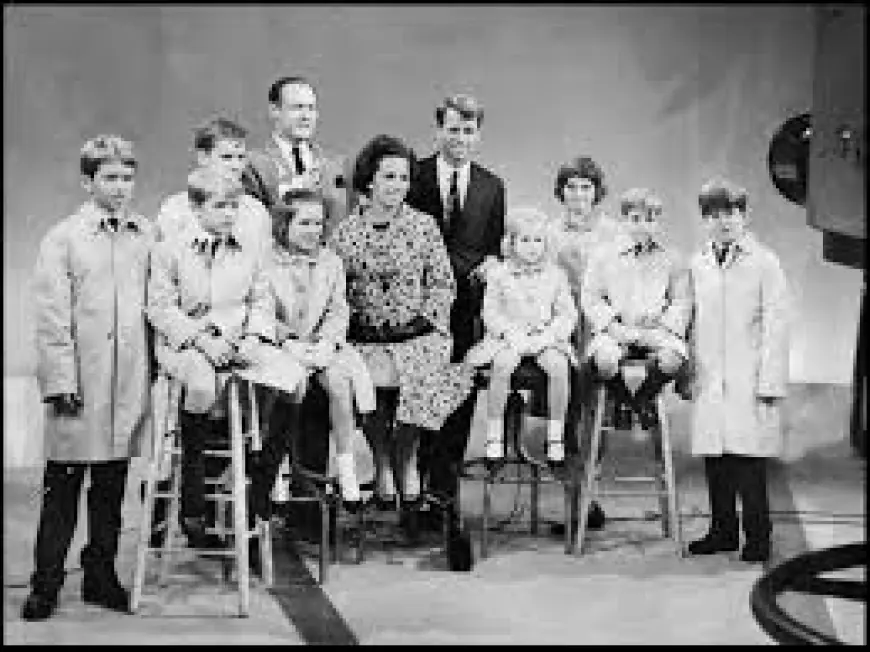
ethel kennedy, the 96-year-old widow of Robert F. Kennedy, turned personal tragedy into a legacy of global human rights advocacy. Her life story traces a path from privileged beginnings through public tragedy to decades of organized activism and institutional legacy.
Ethel Kennedy's early life and marriage
Ethel Skakel Kennedy was born the sixth of seven children into a wealthy Chicago family. Her father, George Skakel, founded Great Lakes Carbon Corporation and built the family fortune in the railroad and industrial sectors. She was raised Catholic by her devout Irish mother, Ann Brannack, and faith played a steady role in her life choices. While attending Manhattanville College in 1945, she met Robert F. Kennedy on a ski trip to Quebec, beginning a relationship that led to their marriage in 1950 at St. Mary Church in Greenwich, Connecticut.
After marrying, the couple purchased Hickory Hill, their Virginia estate, where they hosted intellectuals, artists, and politicians. Between 1951 and 1968, Ethel gave birth to 11 children while maintaining a public role as a political confidante and campaigner. She campaigned for her brother-in-law, President John F. Kennedy, and supported her husband’s work during his tenure as Attorney General.
The assassination and immediate aftermath
On June 5, 1968, Robert F. Kennedy was shot at the Ambassador Hotel in Los Angeles by Sirhan Sirhan. He died the following day at age 42. Ethel was present at the scene and was three months pregnant with their youngest child, Rory Kennedy. The assassination left Ethel a widow at age 40 with 11 children ranging in age from 3 to 17, a family suddenly thrust into public mourning and national attention.
Biographer Evan Thomas wrote that Ethel stated she would never remarry and would instead dedicate herself to furthering Robert’s work and legacy. That decision set the direction for her post-assassination life.
Founding the Robert F. Kennedy Human Rights center and its priorities
Within months of Robert’s death, Ethel founded the Robert F. Kennedy Center for Justice and Human Rights, an organization now known simply as Robert F. Kennedy Human Rights. The center became the vehicle through which she channeled sustained activism. The organization advanced causes including gun control, environmental protection, mental health advocacy, and international human rights. Her daughter Kerry Kennedy later served as president of the human rights center, continuing the family involvement in the institution Ethel established.
Recognition, ongoing activism, and cultural echoes
Ethel’s public commitments have been recognized at the highest levels. In 1981 President Ronald Reagan honored her with the Robert F. Kennedy Medal in the White House Rose Garden. In 2014 President Barack Obama awarded her the Presidential Medal of Freedom, recognizing her dedication to social justice, human rights, environmental protection, and poverty reduction. That same year, a bridge over the Anacostia River in Washington, D. C., was renamed the Ethel Kennedy Bridge.
Her activism continued into later life. In March 2016, at age 88, she marched near the Wendy's chairman’s home with farmworkers who were demanding wage increases for field workers of one cent per pound of tomatoes. The demonstration exemplified a pattern of hands-on participation in causes tied to economic and labor justice.
Ethel’s family has produced public figures across generations. Kathleen Kennedy Townsend served as Maryland’s Lieutenant Governor; Joseph P. Kennedy II represented Massachusetts in Congress; and Robert F. Kennedy Jr. became a prominent public figure. Her youngest child, Rory Kennedy, directed a 2012 documentary titled Ethel that chronicled her mother’s life through interviews, family videos, and archival photographs; the film captured how Ethel raised her children while maintaining her advocacy work.
Even cultural figures have acknowledged Ethel’s story: Taylor Swift drew inspiration from Ethel’s love story for her song Starlight, mentioni
What this legacy means going forward
ethel kennedy’s life as presented here shows a throughline from inherited privilege to public service catalyzed by loss. The institutions and honors tied to her name reflect both personal commitment and an effort to institutionalize causes she embraced. Her family’s continued public roles and the documentary work of her children have kept that legacy visible across generations.
Details in this account are drawn directly from available records of her life and public activities. Any aspects of her ongoing life and influence that are not explicit in this account are unclear in the provided context.