






















Nasa Astronaut Medical Emergency Prompts Historic Crew-11 Early Return and Station Pause

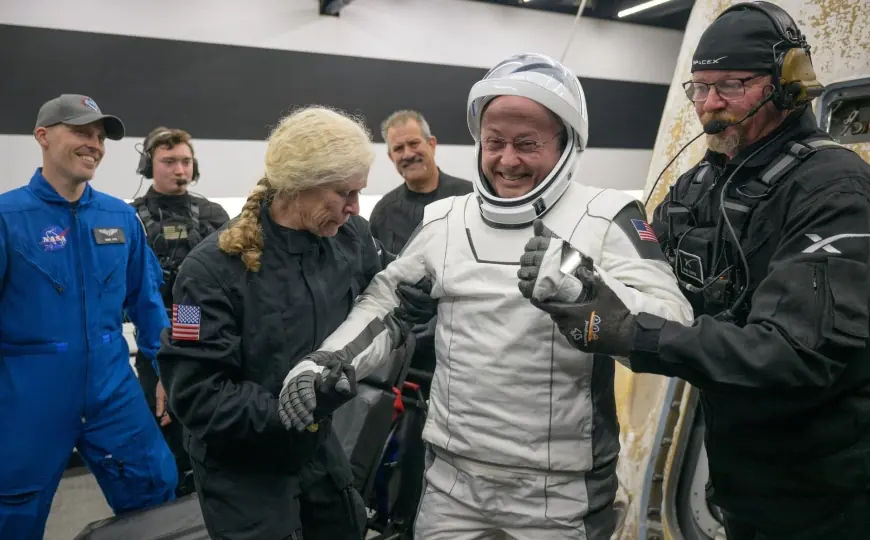
The latest update on a nasa astronaut medical emergency reveals that astronaut Mike Fincke experienced a medical event aboard the International Space Station on Jan. 7 that required immediate attention, stabilized with crewmate aid and flight-surgeon guidance, and led NASA to bring Crew-11 home early in a coordinated return.
Nasa Astronaut Medical Emergency: What happened on Jan. 7
On Jan. 7, while aboard the International Space Station, Mike Fincke experienced a medical event that required immediate attention from his crewmates. Fincke requested that the agency share information about the incident. Crewmembers provided rapid onboard care and NASA flight surgeons offered guidance; Fincke's status quickly stabilized following that response.
Crew-11's early return and splashdown
After further evaluation, NASA determined the safest course was an early return for Crew-11. The agency characterized the move as not an emergency but a carefully coordinated plan to permit advanced medical imaging not available on the station. The Crew-11 members splashed down off the coast of San Diego on Jan. 15 after an approximately five-and-a-half-month mission.
Who was on board and acknowledgements
Fincke expressed deep gratitude to his Expedition 74 crewmates: Zena Cardman, Kimiya Yui, Oleg Platonov, Chris Williams, Sergey Kud-Sverchkov, and Sergei Mikayev. He also thanked the wider NASA team, SpaceX, and the medical professionals at Scripps Memorial Hospital La Jolla near San Diego for their roles in ensuring a positive outcome. Fincke said he is doing very well and is continuing standard post-flight reconditioning at NASA's Johnson Space Center in Houston.
Operational impact on the International Space Station
The incident prompted the first medical evacuation in the space station's 25-year history. In the immediate aftermath, the station was left with three crew members on board—identified in the available context as one American and two Russians—while operations were adjusted. The evacuation led to a pause in spacewalks and a reduction in research output onboard. Four new astronauts joined the orbiting complex in February and normal service has since resumed.
Officials' characterization and current status
After the crew returned to Earth in January, the NASA administrator described the situation as a "serious situation" in orbit but indicated the affected crew member had been safe and stable since the return. Fincke emphasized that the decision to return was intended to enable imaging and care beyond the station's capabilities, stressing that the return was a measured, coordinated choice rather than an in-orbit emergency.
What this means going forward
The disclosed sequence—an onboard medical event on Jan. 7, rapid crewmate intervention, flight surgeon guidance, a decision to return for advanced imaging, and splashdown on Jan. 15—highlights how in-orbit medical contingencies can prompt significant operational changes. Fincke's continuing reconditioning in Houston and the medical follow-up at Scripps Memorial Hospital La Jolla are part of the post-flight response documented in the update. Details outside the provided context are unclear in the provided context.
Future adjustments to station operations and medical readiness will be informed by this episode, and the agencies and teams named in the update have been credited for their professionalism and dedication in reaching a positive outcome.