




















Pentagon Warns American Businesses: Align or Face Consequences

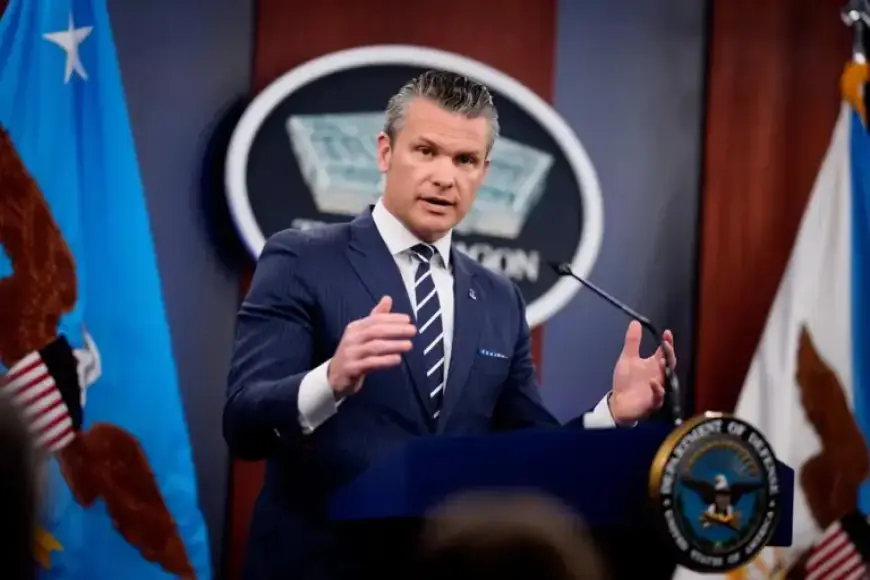
The Pentagon has issued a stark warning to American businesses, urging them to align with its directives or risk serious repercussions. Defense Secretary Pete Hegseth stated that the AI company Anthropic may soon be designated as a “supply chain risk,” a classification typically applied to foreign entities considered adversaries.
Pentagon’s Threat to Anthropic
This potential designation would bar Anthropic from conducting classified national security work, significantly affecting its operations and contracts. Hegseth’s ultimatum instructs Anthropic, led by CEO Dario Amodei, to eliminate certain safeguards protecting against applications like autonomous weapons and mass surveillance.
Contractual Changes and Timelines
In January, the Defense Department mandated that all contracts integrate “any lawful use” language within 180 days. Hegseth has given Anthropic a strict deadline of 5:01 PM today to comply, otherwise facing the hostile classification. Such a measure could compel other companies working with the Pentagon to certify they do not utilize Anthropic’s Claude AI in their operations.
- Anthropic supports eight of the ten largest U.S. corporations.
- Over 500 clients invest more than $1 million annually in its products.
- The potential financial repercussions of the Pentagon’s demand involve a $200 million government contract.
Wider Implications for U.S. Businesses
The implications of this standoff extend far beyond Anthropic. Hegseth’s actions could redefine the relationships between the Pentagon and other businesses in the AI sector. Many firms are now reassessing their contracts with the government.
According to sources, the Pentagon views the situation with Anthropic as a means to set a tone for future negotiations with similar companies. A recent agreement by xAI to integrate its Grok technology into classified systems under the Pentagon’s terms evidences this trend, as others consider similar maneuvers.
Concerns Over Democratic Values
Critics argue that this aggressive stance undermines ethical standards that should govern technology use in sensitive domains like national security. The administration’s framing of guardrails against surveillance as merely “woke” dismisses legitimate concerns about privacy and human rights.
This conflict signals a troubling shift in how the government may leverage contracts and regulatory oversight. The pressure could create an environment where businesses feel compelled to accede to government demands without question.
Call for Collective Action
The situation is increasingly viewed as a critical moment for U.S. businesses, necessitating a united response. If organizations shy away from opposing such tactics, they risk becoming complicit in a troubling new normal that threatens democratic values.
Hegseth’s approach raises significant questions about the balance between governmental influence and corporate autonomy. Business leaders must consider whether compliance with such demands aligns with the ethical frameworks they champion.