















Who Is The New Lady Whistledown and Why Francesca’s Journey Reframes a Shocking Season 4 Twist

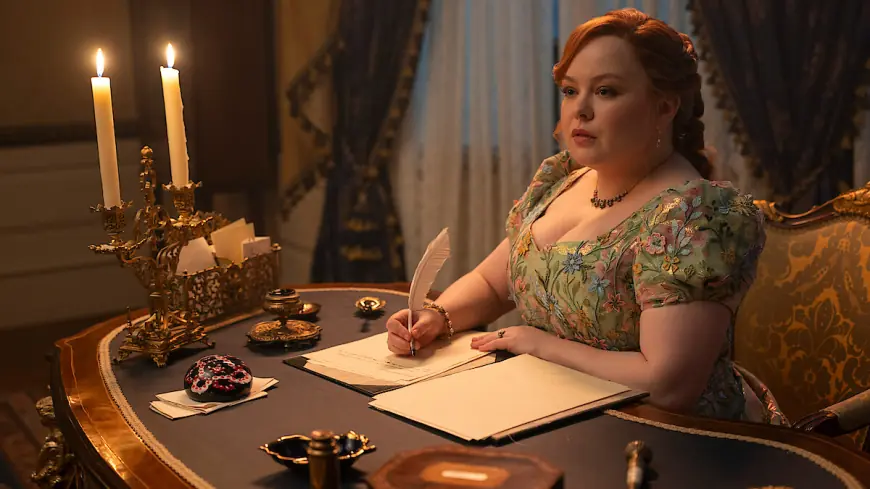
This is read by an automated voice. Please report any issues or inconsistencies here. Who Is The New Lady Whistledown is suddenly a live question because the show’s writers have moved Francesca’s arc off the page and into a new, grief-steeped orbit — and viewers feel that shift first. The change reframes not just who narrates gossip, but how a character who began shy must now be written to survive a dramatic, unexpected loss.
Who Is The New Lady Whistledown — a quick rewind on why the timing matters
Here’s the part that matters: Francesca Bridgerton’s on-screen life has been reimagined across seasons, and that creative choice reaches a peak in Part 2 of Season 4, which debuted on Thursday. The show has already moved Francesca through debutante scenes and a marriage that don’t mirror the novel timeline; those decisions change how any new narrator or gossip voice would be read by the audience.
How Hannah Dodd landed into Francesca’s shoes
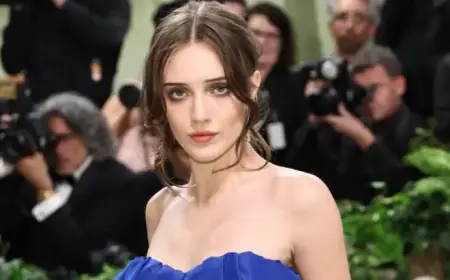
Hannah Dodd, a 30-year-old English actress who once auditioned “quite intensely” for the role of Daphne Bridgerton in Season 1 and lost that part to Phoebe Dynevor, later found herself invited to film a self-tape for a “very secretive” project. Several months elapsed before Dodd learned the project was the series again. Speaking at London’s 180 House in mid-February, she described being at a remote table in the members club to avoid overheard spoilers — though other diners were too wrapped up to notice what she revealed about Part 2. A few days after meeting with the team at Shondaland she began piano lessons a week later as part of preparing for the role.
Francesca’s arc versus the pages: a focused comparison
- On screen: Francesca debuted into the Ton in Season 3, formed a connection with John Stirling, Earl of Kilmartin (played by Victor Alli), married him and settled into his London home by Season 4.
- In the novel When He Was Wicked (commonly called "Francesca’s book" by fans): John is alive for about 10 pages, then a time jump occurs and Francesca’s story begins after his death; the marriage market and earlier on-screen scenes are largely absent.
It’s easy to overlook, but almost all of Francesca’s on-screen story so far has been imagined by the show’s writers rather than lifted from Julia Quinn’s text — a choice that makes the sudden events in Part 2 feel both new and narratively heavy.
Immediate fallout in Part 2: the tragic turn and its staging
By the opening of Season 4 the couple are married; in Part 2, John tragically dies. That death forces the show to dramatize Francesca’s immediate grief — material the novel mostly skips past. Showrunner Jess Brownell has said the production had seen hundreds of actors for the role and that Dodd arrived late in casting and was an instant fit: a subtle actor who can play shyness without seeming weak and who embodies an inner strength that will need to blossom as the character faces hardship.
How the production framed Francesca’s pressure and the broader creative debates
Dodd acknowledged feeling pressure joining an established family on screen and noted the cast made her feel at home. The creative team has been deliberate: Brownell has discussed previous season debates with Shonda Rhimes over character choices like Colin’s virginity, Julie Andrews’ fate as narrator, and visual changes coming to Season 4 — all signals that the series’ direction is actively negotiated behind the scenes.
Micro timeline:
- Season 1: Dodd auditioned intensely for Daphne but did not get the part.
- Several years later: Dodd filmed a self-tape for a very secretive project and only months later learned it was the series again.
- Mid-February: Dodd spoke at London’s 180 House; Part 2 had debuted on Thursday prior to that conversation.
One practical implication is clear: rewriting a character’s early life on screen shifts audience expectations of who controls the story — and that will be central to any reimagined gossip-narrator role. If you’re wondering why this keeps coming up, it’s because the show’s deviations from the book change not only plot beats but the moral and emotional frame through which gossip is delivered.
It’s easy to overlook, but the book’s structure — where John appears briefly and Francesca’s timeline begins after his death — gives writers only a short textual window for immediate grief. The screen adaptation chose instead to stage the marriage and the loss directly, creating new emotional stakes for viewers and performers.
Writer’s aside: The larger creative risk here comes from stretching an initially shy character into a central grief arc; that kind of reshaping can yield powerful drama, but it also demands careful tonal work from actors and writers alike.