
























Understanding the Afghanistan-Pakistan Conflict: Key Insights

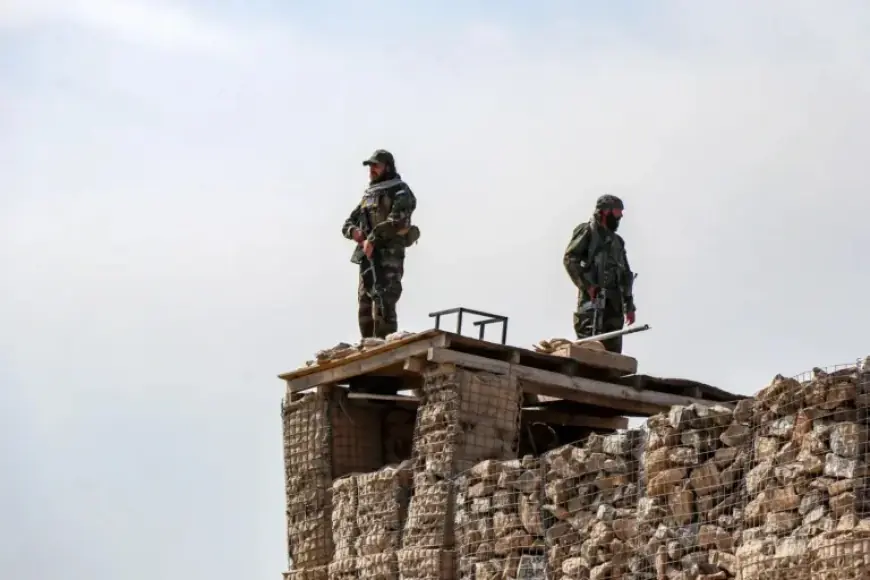
The recent conflict between Afghanistan and Pakistan has escalated significantly. Pakistan initiated airstrikes against several Afghan cities, leading to tensions on both sides. This marked a major increase in hostilities after months of cross-border skirmishes.
Understanding the Afghanistan-Pakistan Conflict
On a Friday morning, Pakistani forces launched attacks on key Afghan locations, including Kabul and Kandahar. This strike was a direct response to Afghan military actions against Pakistani soldiers. Pakistan’s Information Minister, Attaullah Tarar, stated that these military operations targeted hostile military sites.
Immediate Causes of the Conflict
- Pakistan declared “open war” against the Taliban authorities.
- The strikes followed retaliatory attacks from Afghan forces.
- Casualty reports indicate dozens killed over recent months.
- Diplomatic efforts to resolve tensions have repeatedly failed.
Despite claims from Pakistani forces, the Afghan Taliban denied allowing their territory to be used against Pakistan. Diplomatic talks have seen little progress, and both governments remain locked in cycles of blame.
Casualty Reports and Ground Conditions
The Taliban confirmed the airstrikes but claimed no urban casualties occurred. In contrast, Afghan Defense Ministry reports indicated that eight Afghan soldiers were killed during a previous ground offensive. Additionally, civilian distress was highlighted by reports of injured individuals in a refugee camp due to shelling.
- Reported casualties: multiple on both sides.
- Afghan Defense Ministry: eight soldiers killed.
- Civilian injuries, including one woman in grave condition.
Militant Activity and Accusations
Central to the conflict is Pakistan’s long-standing allegation that Afghanistan is not sufficiently combating the Tehreek-e-Taliban Pakistan (TTP). Analysts note that the TTP has increased its activities since the Taliban regained power in 2021. These incidents have intensified mutual mistrust as both countries exchange accusations regarding militant operations.
Diplomatic Efforts and Skepticism
The recent violence contrasts sharply with earlier diplomatic efforts. A truce was brokered by Qatar and Turkey following deadly clashes in October, yet sustainable agreements remain elusive. Recent interventions by Saudi Arabia and Iran have occurred, aiming to mediate the conflict.
- Qatar and Turkey mediated a prior truce.
- Saudi Arabia involved in recent negotiations for prisoner exchanges.
- Iran has offered support for dialogue between the nations.
Experts caution that effective diplomacy may now be too late. Islamabad has reportedly exhausted various options for negotiation, with little to show for its efforts. The complex dynamics of the Afghanistan-Pakistan border, known as the Durand Line, further complicate relationships.
Conclusion
This ongoing conflict illustrates the fragile and volatile nature of Afghanistan-Pakistan relations. Recent military actions by Pakistan against Taliban targets signal a potentially dangerous escalation in hostilities, as experts speculate on the implications for regional stability.