



















Murder Case: The Hunt for Arlene Fraser’s Killer review – an enraging tale of domestic violence and murder

The two-part documentary revisits how arlene fraser vanished from her Elgin home in April 1998 and why the case remains a wrenching example of domestic violence, legal uncertainty and a search for answers that has lasted decades.
Scene at the bungalow: household signs and a sudden absence
When police arrived at Arlene Fraser’s bungalow in Elgin, Moray in April 1998 they found ordinary domestic details that suggested she had left abruptly: a bicycle on its side in the yard, a vacuum cleaner plugged into a socket in the hall and washing hanging on the line. Family accounts say she had stood in her dressing gown to wave her two children off to school that Tuesday morning and then vanished.
The last phone contact came at 09: 41 ET on 28 April 1998, when Arlene phoned her children’s school to ask when her son would be back from a trip; 10 minutes later the school rang back and got no answer. She also failed to attend a planned 11am meeting with a friend. At 02: 00 ET the next morning police told her sister, Carol Gillies, that the 33-year-old was missing.
Family concern: toys, medication and a home that “did not look like a crime scene”
Friends and relatives said the disappearance was completely out of character. The house showed no sign of a struggle: the children’s toys were in their normal place, the ironing board was out and the hoover was plugged in. Medication Arlene needed for Crohn’s disease had been left behind. One investigator compared the empty bungalow to the Mary Celeste.
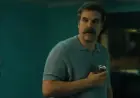
Police officer Mark Cooper, who was on night shift when the report came in, said the house did not "look like a crime scene" and that nothing suggested she had packed her bags and left. Isabelle Thompson, Arlene’s mother, said she had been "over the moon" with her children. Cooper also told the programme that "the more you delved into Arlene as a person, the more you realised that she wasn’t the type to go out socialising and leave her kids to fend for themselves, " and a full blown inquiry team was deployed in Elgin.
Arlene Fraser’s history with Nat Fraser and attempts to leave
Arlene had been a friendly and popular young woman before she married Nat. They met in 1985; he was known locally as a prominent businessman and was seen by many as "charming. " He attended their wedding with a black eye, which at the time was viewed as an amusing misfortune. The couple had their first child, Jamie, in 1987 and a second child, Natalie, five years later.
Arlene had stayed at Moray Women’s Refuge in 1990 and again in 1992, returning to Nat both times. Lorna Creswell, a co-founder of the refuge, observes that many women return to their abusers because "they don’t see themselves with an alternative or the confidence to move on. " By April 1998 Arlene had moved toward separation: she had been due to meet a solicitor to discuss a £250, 000 divorce, and five weeks earlier Nat had placed his hands around her neck until she lost consciousness and was facing an attempted murder charge.
Later in the legal process a judge would be sympathetic to Nat’s defence lawyer’s assertion that the earlier attack was out of character. Dr Emma Plant of the Moray Violence Against Women and Girls Partnership stresses that "there is no such thing as an isolated incident of violence against women, " and that domestic abuse is about control.
Evidence gaps, trials and convictions across a long process
Investigators faced a "daunting absence of clues": no body, no weapon, no forensic evidence, no incriminating witness testimony from the day, no CCTV. Nat had an alibi described in the programme as so strong it stopped the case dead at the time, and many of the anomalies suggesting his guilt— including his dispassionate reading of a prepared statement at a press conference where he said, "Arlene, if you’re watching this, then please get in touch"—were not enough to provide immediate answers.
Over a tortuous 14-year legal process Nat Fraser was twice found guilty of her murder. Almost 30 years on, Arlene’s body has never been found. He will soon become eligible for release from prison, and Arlene’s family hope a new law will prevent him being given parole unless he finally says what happened to his wife’s body.
How the documentary pieces the story together with witnesses and archive footage
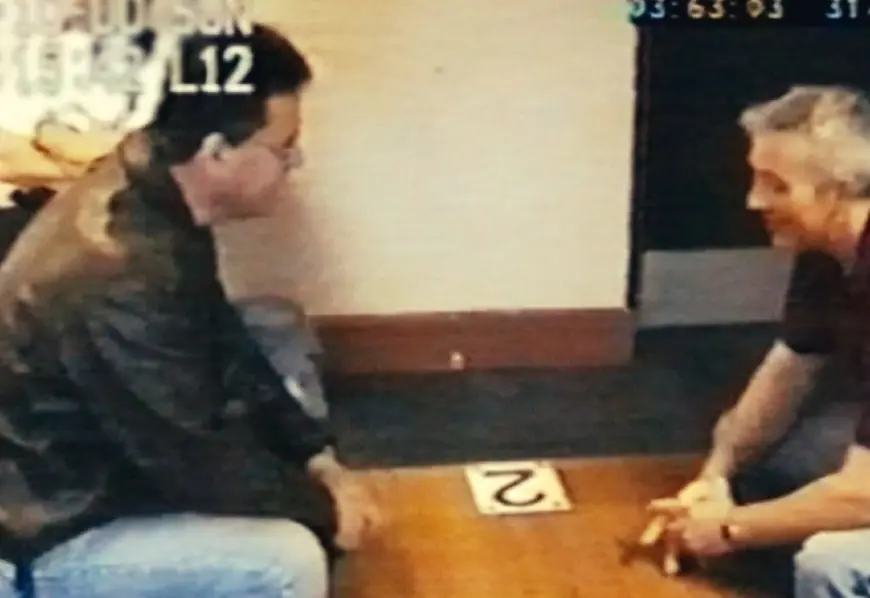
The programme revisits one of Moray’s most notorious cases using archive footage and testimony from those who lived through it, replaying twists and surprises from the trials where concrete details often refused to emerge. Part one breaks down the key moments from April 28, 1998, including the initial report taken by Mark Cooper about a missing mother in New Elgin and the subsequent deployment of a major inquiry team.
Carol Gillies describes being woken by a knock at the door at around 2am: her husband went to the door, a police officer asked if Carol Gillies lived there, she said "that’s me" and the officer told her her sister was missing. "Then the nightmare began, " she says. Carol also notes the distance she faced at the time: "I lived in Erskine at the time. It's a 200-mile journey. " One contributor in the documentary sums up the persistent frustration: months of agonising limbo for Arlene’s family while key questions remained unanswered.
Voices left asking for closure
As the documentary balances a sober reflection on violence against women with the procedural whodunnit, family members keep pressing for a straightforward answer. Carol Gillies warns that "this is the final chance... before the truth is gone forever. " The film leaves viewers with the same uneasy mix of sadness, anger and frustration felt by those who lived it.