

























Blueberry Recall 2026: FDA upgrades frozen blueberry warning to highest risk

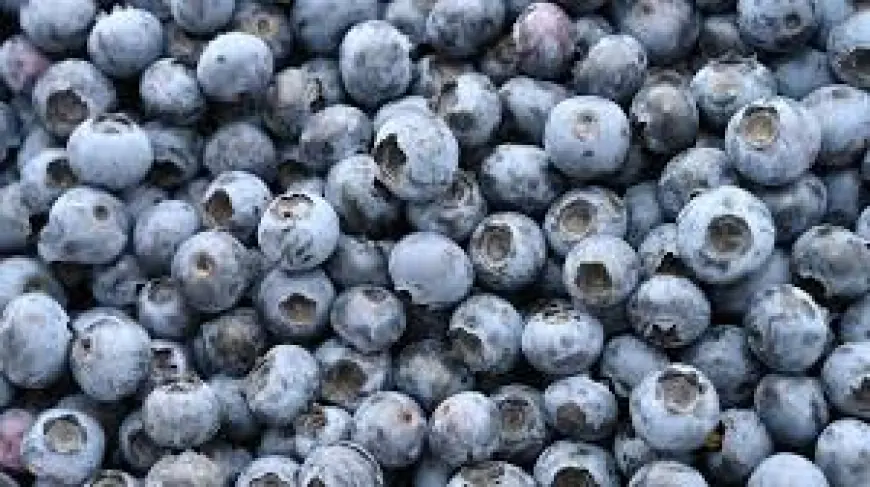
The blueberry recall 2026 covers 55, 689 pounds of Individually Quick Frozen blueberries after a voluntary removal was initiated on Feb. 12 and the U. S. Food and Drug Administration elevated the action to a Class I (Class 1) recall on Feb. 24, 2026. Regulators warn the potential Listeria monocytogenes contamination could cause serious adverse health consequences or death.
Blueberry Recall 2026: Lot codes, expiration dates and packaging
The affected IQF blueberries carry distinct lot codes and packaging formats. The 30-pound corrugated cases include lot codes 2055 B2, 2065 B1 and 2065 B3 and show expiration or best-by dates of July 23, 2027, through July 24, 2027. Those berries were packed inside polyethylene bags within the corrugated cases in a dual-layered design.
Bulk shipments are listed in 1, 400-pound Gaylord totes with lot codes 3305 A1 and 3305 B1 and an expiration or best-by date of Nov. 25, 2027. Those containers were packed in polyethylene liners inside the heavy-duty, industrial-grade Gaylord totes used for large bulk shipping.
Oregon Potato Company, Willamette Valley Fruit Company and the recall timeline
The removal was flagged by Oregon Potato Company, a family-owned business in Salem that specializes in frozen and dehydrated potatoes, vegetables and fruits. The company initiated the recall on Feb. 12, 2026 and notified affected consignees by email; the recall remains ongoing.
The blueberries were produced by Willamette Valley Fruit Company and have been the subject of the FDA enforcement notice that led to the Feb. 24, 2026 upgrade to a Class I (Class 1) recall, the administration’s most serious risk classification. Oregon Potato Company did not respond to a request for comment.
Where the frozen blueberries were distributed and how they moved through the supply chain
Records show the product was distributed to customers in Michigan, Oregon, Washington and Wisconsin, and also shipped into Canada. The FDA notice states the product was not sold at retail and instead moved between businesses within the supply chain. It is unclear in the provided context whether consumers purchased the product through other channels.
Health risks, Listeria symptoms and groups most at risk
The recall centers on possible contamination with Listeria monocytogenes, a bacterium commonly found in soil, water or food-processing environments and capable of surviving and growing under refrigeration. Consuming items contaminated with Listeria can lead to listeriosis.
Common, milder symptoms cited in the notice include aching, fever, nausea, vomiting and diarrhea that can last up to three days. More serious, invasive illness can lead to confusion, loss of balance and convulsions, and can be life-threatening—especially for pregnant people, older adults and those with weakened immune systems. The FDA advises anyone experiencing symptoms to consult with their health care provider.
Scope of the recall and what the FDA notice does and does not say
The enforcement notice lists the recalled quantity as 55, 689 pounds of Individually Quick Frozen blueberries; other coverage described the quantity as roughly 55, 000 pounds or nearly 56, 000 pounds. The FDA classified the removal as Class I (Class 1), noting exposure could cause serious adverse health consequences or death. The enforcement notice does not offer guidance about what consumers should do if they possess the recalled product.