

























Hillary Clinton Testifies in Epstein Investigation, Denies Knowledge and Calls Deposition ‘Political Theater’

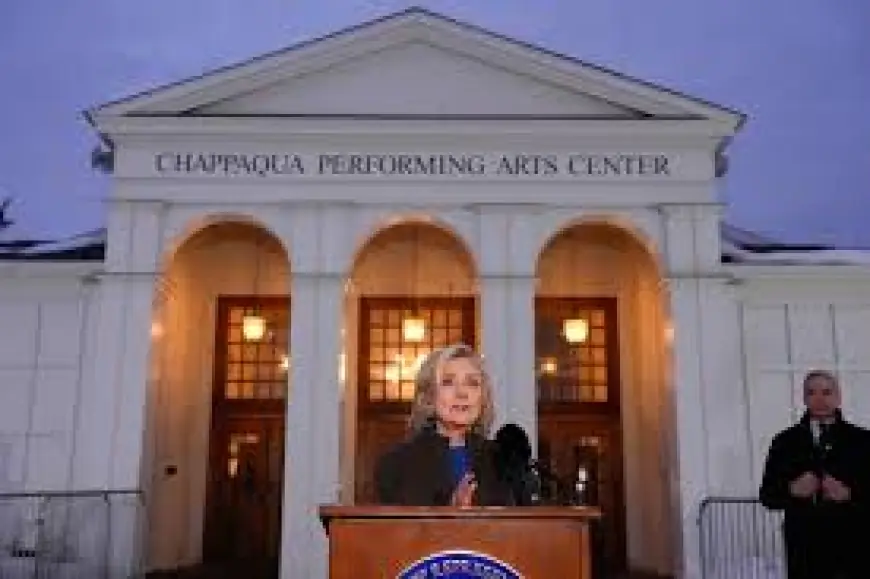
Hillary Clinton testified in the Epstein investigation and denied any knowledge of Jeffrey Epstein or his crimes in what was described as a tense deposition. The testimony and her reaction have become a focal point of rapidly published coverage over the past hour.
Live updates: Testimony in the Epstein investigation
A live-updates headline captured the immediate development: "Live updates: Hillary Clinton testifies in Epstein investigation, " posted 20 minutes ago. That item framed the moment as active testimony in an ongoing inquiry into Epstein and prompted follow-on accounts within the hour.
Hillary Clinton's denials in a tense deposition
An earlier item, published 1 hour ago, described the deposition as tense and stated that Hillary Clinton denied knowing Epstein or his crimes. The denial was presented as a direct response to questioning in the deposition, signaling her effort to distance herself from any alleged connection to Epstein.
GOP reaction and Clinton's dismissal as 'political theater'
A subsequent headline, appearing 30 minutes ago, noted that Hillary Clinton derided her Epstein deposition as GOP "political theater. " That characterization connects the tenor of the proceeding to partisan dynamics: the depiction of the deposition as political theater implies a judgment that the questioning was driven by partisan aims rather than strictly investigative ones. The timing matters because the sequence—initial denials followed by a public dismissal of the process—frames the exchange as both defensive and political.
Timeline of coverage over the last hour
The public record of coverage shows three distinct timestamps: an item posted 1 hour ago described a tense deposition in which denials were made; an item posted 30 minutes ago recorded Clinton's own characterization of the proceeding as GOP political theater; and a live-updates entry posted 20 minutes ago highlighted that Hillary Clinton was testifying in the Epstein investigation. Those three timestamps form a compressed timeline of developments and responses.
Implications for the Epstein investigation
The immediate effect of the testimony and the publicized denials is to place the deposition at the center of both investigatory and political narratives. Because denials were delivered in a deposition described as tense, the legal record will contain the sworn statements even as political actors use statements and characterizations to shape public perception. What makes this notable is how quickly the legal testimony, the denials, and the political framing entered public view within a single hour, compressing legal and partisan responses into a brief window.
Details remain focused on three clear elements present in the coverage: that Hillary Clinton testified; that she denied knowledge of Epstein or his crimes in a tense deposition; and that she later derided the deposition as GOP "political theater. " The broader implication is that the deposition will be interpreted both as part of the investigative record and as a site of partisan contestation, with the sworn denials and public rhetoric likely to shape subsequent attention to the Epstein investigation.