




















Eta Travel Permit: eta travel permit and the strain on dual nationals


The new eta travel permit requirement comes into force from 25 February and makes digital permission to travel mandatory for many visitors to the UK. The move has prompted complaints from dual nationals scrambling for passports and a heated parliamentary debate about communication and exemptions.
Eta Travel Permit: who needs it
From 25 February non-visa nationals from 85 different countries must have an Electronic Travel Authorisation (ETA) before travelling to the UK. Visitors of 85 nationalities, including nationals of the United States, Canada, France and nations such as Australia, are now legally required to have an ETA when travelling to the UK. Non-visa nationals who try to enter the UK without an ETA will be barred under the new rules, and airlines will prevent passengers from boarding if they do not have an ETA, an eVisa or other valid documentation.
Passport control and boarding checks
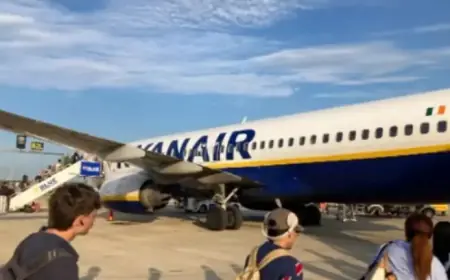
People coming to the UK under the new system will still need to go through passport control on arrival (file photo). Transit passengers who do not need to go through border security at UK airports do not need an ETA, but anyone crossing the border or travelling through the UK as part of a journey now generally requires digital permission to travel. Those who normally need a visa will still need one and will not have to apply for an ETA in addition.
Dual nationals and proof requirements
The changes have created problems for dual nationals, who have been scrambling to get a UK passport to follow the new rules. Under the changes, British dual nationals must present a valid or expired British passport, or a £589 certificate of entitlement, to prove their right of abode before boarding a plane, ferry or train to the UK. British and Irish citizens are exempt from needing an ETA or a visa to visit the UK or to travel through it; at the same time, guidance says British and Irish citizens, including dual citizens, are exempt from needing an ETA but will be required to present either a valid British passport or a Certificate of Entitlement when travelling to the UK. Carriers at their own discretion may accept some expired British passports as alternative documentation.
Cost, duration and transit rules
An ETA costs £16, permits multiple journeys, and lasts for two years or until the holder's passport expires, whichever is sooner. Once approved, an ETA allows a stay in the UK for up to six months. The government has said it plans to increase the ETA fee to £20 in the future. The cost of an ETA is described as competitive and is compared with other schemes: the US ESTA, the EU ETIAS when implemented, and similar systems elsewhere. Longer trips and visits for work or longer study will require a visa.
Parliament reaction and minister response
The scheme, which was launched in October 2023 and was described by the government as "not strictly enforced to give visitors ample time to adjust to the new requirement, " became mandatory after an announcement in November that ETAs would be required from 25 February. In parliament on Wednesday the Home Office dismissed as "absurd" claims it had failed to communicate the changes properly. The Home Office minister Mike Tapp suggested that media coverage reflected the department's efforts, saying: "I'm going to let him into a little secret here – perhaps that media coverage is as a result of the Home Office's efforts to get this information out there as widely as we possibly can. "
Labour backbencher Kerry McCarthy described two constituents who feared being stranded on their honeymoon because of the new requirements. McCarthy said: "They don't know if they can actually get back into the UK from [their] honeymoon. " The former cabinet minister David Davis said three of his constituents had only learned about the changes through media reports. MPs raised examples including letters from anxious dual nationals abroad, and hundreds more readers contacted a national paper saying they were unaware of the rule changes until they saw coverage. An anonymous British Australian man told a newspaper the rules had prevented him from attending his father's funeral: "I can't see my grieving relatives or bury my father for six weeks, " he said, referring to the time it would take to renew his passport from overseas.
MP Alicia Kearns said the policy was justified but urged the minister to "commit, however, to improve the communications plan, which has been insufficient. " The minister rejected calls for a grace period but offered a drop-in session with MPs next Monday to discuss individual cases. He added that consular services were available overseas to help stranded Britons, and said dual nationals would obtain a passport within four weeks – and in some cases nine days. The Liberal Democrats' immigration spokesperson Will Forster accused the Home Office of a "lack of planning and haphazard communication, " calling the situation unacceptable. The minister responded: "I find the framing of this absolutely absurd – it is nonsense. There have been years in planning from the officials and ministers. This has been in the public domain for some years. " He also said: "For those looking to travel for emergencies, there are emergency travel documents, and I urge them to explore that through the government website to see if they are eligible. "
Government case for the change
The government says electronic travel authorisation will improve and streamline the immigration system, speed it up and make it more secure. Mike Tapp, as Minister for Migration and Citizenship, said: "The ETA scheme is a vital part of our work to strengthen the UK’s border security, helping to deliver a more efficient and modern service that works for both visitors and the British public. I’d urge anyone wanting to travel to the UK to ensure they are travel ready and have the right permission, to make their journey much smoother. "
Short closing: From 25 February the Eta Travel Permit requirement is enforced, carrying specified costs, durations and exemptions, and it has prompted urgent passport applications, parliamentary scrutiny and promises of assistance from ministers and consular services.