


















Jeff Galloway, Olympian and pioneer of the run-walk method, dies at 80

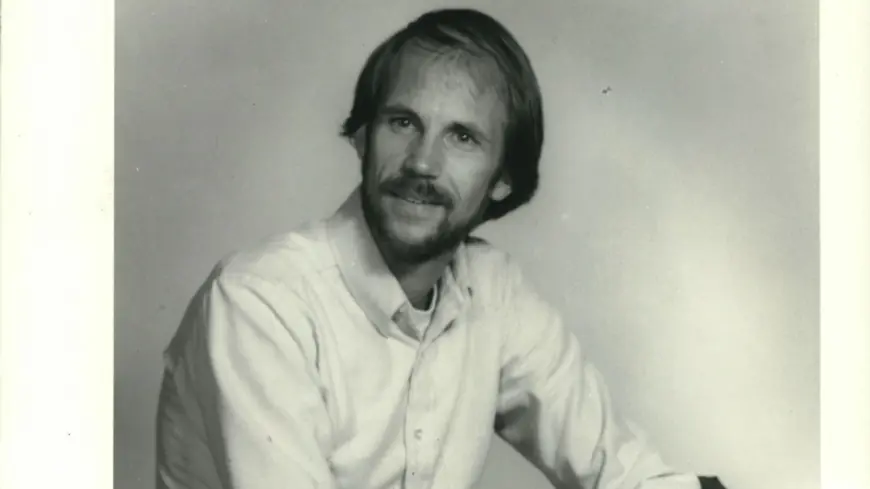
jeff galloway, a member of the 1972 U. S. Olympic team and the longtime advocate of the run-walk-run strategy, has died at age 80 after suffering a hemorrhagic stroke and undergoing emergency neurosurgery. The sequence of medical events and the public outpouring that followed underscore his influence on elite athletes and everyday runners alike.
Jeff Galloway: Olympic career and early life
Galloway qualified for the Olympic Games in the 10, 000 meters in 1972. Born John F. Galloway and commonly known as Jeff, he was from Raleigh, North Carolina, the son of a naval officer. His childhood was disrupted by frequent moves; by 1958, while in eighth grade, he had attended 14 schools. As a youth he arrived into sports as an overweight, academically struggling kid who tried cross-country and found running was a boost to spirit and school performance.
At Westminster Schools in Atlanta, Georgia, he ran a 4: 28 mile and won a state high school two-mile championship with a 9: 48 time at age 17. He went on to attend Wesleyan University in Connecticut, where the absence of a high-pressure track program led to formative friendships with teammates Amby Burfoot and Bill Rodgers, opportunities to train indoors at Yale with Frank Shorter, and the freedom to race across New England. He became an All-American and improved to a 4: 12 mile and a 14: 10 three-mile time.
At the height of conscription for the Vietnam War, Galloway entered the officer program of the U. S. Navy and served actively for 18 months as a gunnery officer off the coast of Vietnam. On shore visits he prioritized running to relieve stress. After completing three years of service he aspired to be a teacher and still wanted to test his potential as a runner, saying at the time that he wanted to see what he was made of.
Run-walk-run method and community work
Galloway’s run-walk-run approach took shape in 1974 when he agreed to teach a running class at Florida State University, two years after competing in the Olympic 10, 000 meters. He had opened a running store called Phidippides and believed the class might attract customers. The program began with walkers and short jog intervals; he adjusted walk-break frequency so no one was left huffing and puffing, and walk breaks kept groups together so participants finished 5K or 10K events smiling, he said on his website.
He believed walking during runs reduced injury risk, conserved energy and preserved confidence. He walked through every water station in the 1980 Houston marathon and recorded a faster time, 2: 16: 35, than his previous run-only marathons. Over decades he shared his philosophies through books, websites and retreats, founded running stores, groups, camps and travel programs, helped create races, authored a best-selling training book, and expanded into social media, podcasts and race promotion.
Medical events, family announcement and public response
Galloway suffered a hemorrhagic stroke and was taken to a hospital in Pensacola, Florida, where he died on Wednesday at age 80. His daughter-in-law, Carissa Galloway, provided the family statement that identified the stroke and the location of his death. The family announced that he had undergone emergency neurosurgery on February 20 and invited the public to express support, asking for short video messages in lieu of flowers or cards. Throngs of people posted videos and tributes online, both hoping for his recovery after surgery and thanking him for advice that had helped them get to race starting lines.
Survivals, totals and final ambitions
Galloway had survived heart failure in 2021. Across his life he logged more than 230 marathons and was still hoping to complete another one. Reflecting on his later years, he said in December that his mission was to show people that they could do things normally not done and do them safely.
Reactions and legacy
Reactions from the running community were immediate and personal. Jim Vance, an elite endurance sports consultant in San Diego, called Galloway a "pioneer" who removed the mental barrier to entry and helped make running enjoyable rather than a suffer-fest. Endurance athlete and trail runner David Dack described Galloway as an Olympian, coach and teacher who gave millions permission to slow down, walk and stay in the sport for life. Social media messages included stories of lives transformed: Karen Bock-Losee of Jacksonville, Florida, said she never thought she would be a runner until discovering Galloway’s method in her 60s and has since run several half marathons; Susan Williams recalled meeting Galloway during a 2011 half marathon in Murray, Kentucky, when he turned back to coach her through cramps.
Galloway’s blend of competitive achievement and grassroots teaching built a wide-reaching legacy: from Olympic track to neighborhood jogging programs, he influenced how countless people approach distance running and participation. Recent tributes and the family’s public request for supportive messages underline the direct, personal impact he had on runners of all levels.