























Juventus Vs Galatasaray: VAR fallout that could reshape how second yellow cards are handled

Why this matters now: the Juventus vs galatasaray clash ended with a dramatic reversal on the pitchside monitor that did more than swing a tie — it exposed a procedural gap in VAR practice and has immediate regulatory consequences. The review that began as an attempt to remove a second yellow card instead became an upgraded straight red, influencing the match narrative and accelerating a possible rule change at the sport’s rule-making body.
Juventus Vs Galatasaray review: consequences for refereeing practice and match outcomes
Here’s the part that matters: Joao Pinheiro signalled for a pitchside review after showing Lloyd Kelly a second yellow for a foul on Baris Yilmaz, and cheers rang around the Allianz Stadium as Juventus fans hoped the booking would be overturned. Instead, the on-field official upgraded the decision to a straight red for a serious foul — a ruling that shifted the momentum and later became central to debate over when VAR should intervene.
How the tie unfolded after the red card
Juventus were 1-0 up at the time and trying to overturn a 5-2 first-leg deficit from Istanbul. Despite being reduced to 10 men after Kelly’s dismissal — the 27-year-old former Bournemouth and Newcastle defender booted a wall in the tunnel on his exit and manager Luciano Spalletti was left looking perplexed — the home side rallied to lead 3-0 on the night. Federico Gatti's 72nd-minute goal and Weston McKennie's 82nd-minute strike levelled the tie at 5-5 on aggregate and forced extra time.
Extra time, late drama and the aggregate result
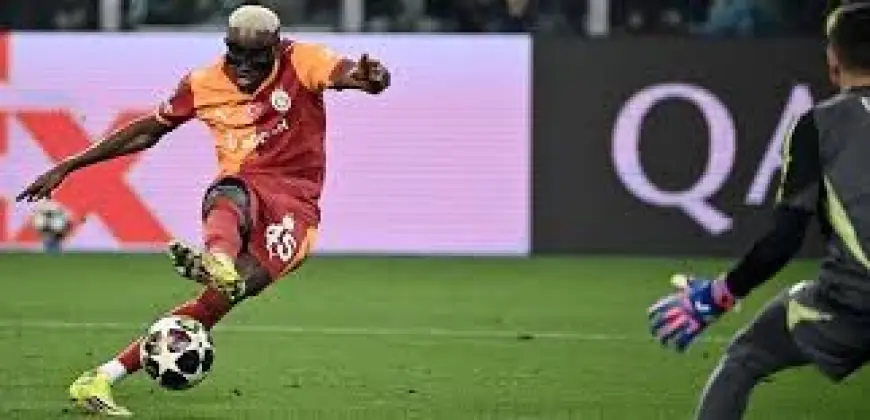
With the home side tiring in extra time, Victor Osimhen put Galatasaray back in the driving seat with a goal in the first period of extra time to make it 3-1 on the night and 6-5 on aggregate. Baris Yilmaz then secured victory over the two legs in the 119th minute to complete a 7-5 aggregate success for Galatasaray.
VAR rules, the review mechanics, and a looming policy change
In the Champions League context described here, VAR checks are limited to clear and obvious errors relating to goals, incidents in the penalty area, direct red cards and cases of mistaken identity; at present it will not intervene on yellow cards. That meant downgrading Kelly's initial dismissal for a second bookable offence was never the intended scope of the VAR check. However, once a match official begins a pitchside review they are in charge and may take whatever decision they deem appropriate. The International Football Association Board (Ifab) is expected to approve VAR reviews for wrongly awarded second yellow cards at its annual general meeting on Saturday — a possible procedural change with direct relevance to this incident.
What's easy to miss is that the procedural gap is not only technical: it changes incentives for referees and for how teams react when a monitor review is called.
Reactions, critique and the human side of the decision
Former Premier League defender Curtis Davies called the decision an "absolute disgrace" and argued Kelly challenged for the header cleanly, noting the practical problem that a player who goes for a header must land his feet somewhere and that landing on an opponent can be an unavoidable outcome; Davies said he understood Kelly's frustration. Football journalist Rory Smith described the decision as "awful" and a "disgrace". Kelly was adjudged to have committed a serious foul after landing on the back of Yilmaz's Achilles following an aerial challenge.
- Manuel Locatelli converted a penalty that kick-started Juventus' comeback in the second leg.
- Lloyd Kelly received the red four minutes into the second half after the review.
- Federico Gatti scored on 72 minutes; Weston McKennie on 82 minutes.
- Victor Osimhen scored in the first period of extra time; Baris Yilmaz sealed the tie in the 119th minute.
The real question now is whether the Ifab decision at its meeting will close the loophole so similar pitchside reviews end with fewer controversial reversals.
Wider competition consequences and the upcoming draw
Galatasaray's extra-time victory books their place in the Champions League Round of 16 and sets up a draw scenario: Atletico Madrid or Galatasaray will face Liverpool and Tottenham. Atletico reached the same stage after beating Club Brugge 7-4 on aggregate, thanks to a 4-1 second-leg win. The draw is scheduled to be held in Switzerland on Friday at 11: 00am UK time; that draw will determine which of Atletico Madrid or the Turkish Super Lig champions faces Liverpool and which faces Tottenham.
Timeline (compressed):
- First leg: Galatasaray won 5-2 in Istanbul (last week in the context provided).
- Second leg: Juventus trailed 1-0, Kelly was sent off after a pitchside review, Juve rallied to 3-0 and 5-5 on aggregate to force extra time.
- Extra time: Osimhen scored early; Yilmaz sealed the aggregate 7-5 win in the 119th minute. Moving forward, Ifab is expected to consider VAR reviews for wrongly awarded second yellow cards at its AGM on Saturday.
Key takeaways: the match outcome was decisive on the pitch and catalytic off it — the red-card upgrade during the pitchside review has immediate practical implications for refereeing protocol and an Ifab meeting could formalise a corrective change. If you’re wondering why this keeps coming up, the interplay between monitor reviews and the match official’s discretionary power is precisely what regulators appear poised to address.
The bigger signal here is that a single high-profile review can accelerate regulatory change that affects refereeing practice across competitions.