

























Blood Moon Total Lunar Eclipse: Live Updates, Where to Watch and How Minnesotans Can Catch It on March 3

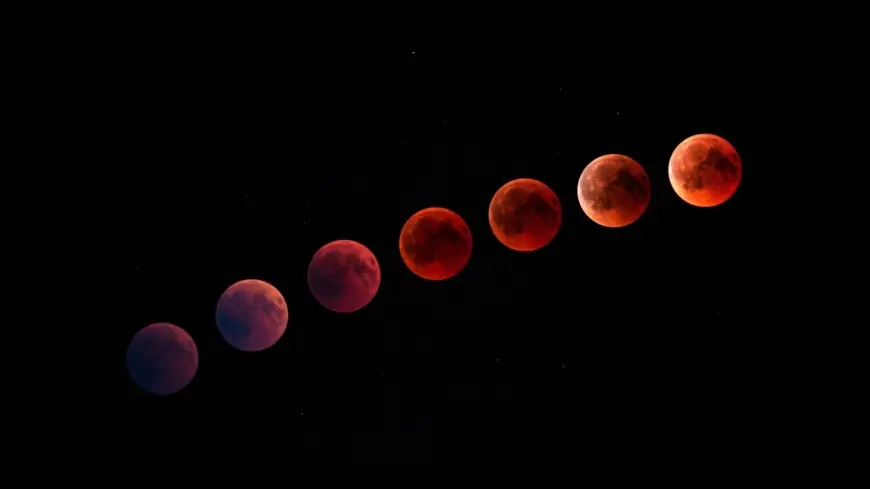
The next major astronomical event is a blood moon total lunar eclipse on March 3, and it will be visible across large portions of the night side of Earth. This event matters because it will bring a reddened lunar disk to billions of viewers and, per recent coverage, may be the last total lunar eclipse visible from wide areas for several years — making observation plans especially worthwhile.
Blood Moon Total Lunar Eclipse: When, where and why it matters
The total lunar eclipse on March 3 will tint the moon red as Earth's shadow sweeps across the lunar disk, producing the phenomenon commonly called a blood moon. The eclipse is expected to be visible across the Americas, much of Asia and Oceania, with particularly favorable views reported for the western half of North America, Australia and the Pacific.
Visibility notes from recent coverage highlight that while billions of people may see some portion of the event, the best viewing opportunities will cluster where night coincides with the eclipse path. Observers in North America, Australia, New Zealand and eastern Asia should plan for clear western horizons and minimal obstructions for the most striking views.
How Minnesotans and early-risers can watch
Minnesotans have been advised to set alarms for 5 a. m. on March 3 to catch this rare spectacle. Early-risers who follow that guidance can expect a dramatic scene that pairs a rising yellow sun with a reddened moon setting on a darkened western horizon. Coverage encourages in-person viewing as a distinct experience compared with seeing images online.
Practical tips emphasized in recent updates include choosing a high, unobstructed vantage point so the moon is not hidden by trees or buildings at the horizon. Dress warmly for pre-dawn conditions and allow time for eyes to adapt to low light if you plan to view the event directly.
Duration, totality and what remains uncertain
Estimates in current coverage differ on how long viewers should expect the dramatic red coloration to persist. Some updates describe the overall eclipse lasting about an hour or nearly an hour, while other coverage notes that the period of full reddening — the totality phase — may last only about 12 minutes. These differing duration figures mean planning windows vary; details may evolve as more precise timing is confirmed.
Observers should note that a total lunar eclipse is safe to view with the naked eye, and no special solar filters or protective eyewear are required. That makes it straightforward for families and casual stargazers to experience the event without specialized gear, though binoculars or a small telescope can enhance surface detail if available.
Best regions and viewing considerations
- Primary favorable regions cited: western half of North America, Australia and the Pacific.
- Wider visibility includes North America, Central America, parts of Asia and Oceania; some reports state the eclipse will be visible across the Americas, Asia and the Pacific.
- High vantage points and clear western horizons are recommended because the moon will be low near totality in many locations.
Finally, there is a discrepancy in recent coverage about when a similar total lunar eclipse will next be broadly visible in the Americas: some updates indicate the next opportunity will not occur until New Year's Eve 2028-2029, while other updates suggest a return of visibility in June 2029. Given that difference, observers who can view the March 3 event are encouraged to plan now; follow-up timing details may be refined as more precise projections are released.
Schedule and viewing conditions remain subject to change; observers should prepare for an early-morning session on March 3 and prioritize clear horizons and warm clothing. The blood moon total lunar eclipse presents a compact, accessible celestial show that many locations across the night side of Earth will be able to witness.