




















Nhl Standings After Milano Cortina: Olympic Gold, Player Absences and What Built This Moment

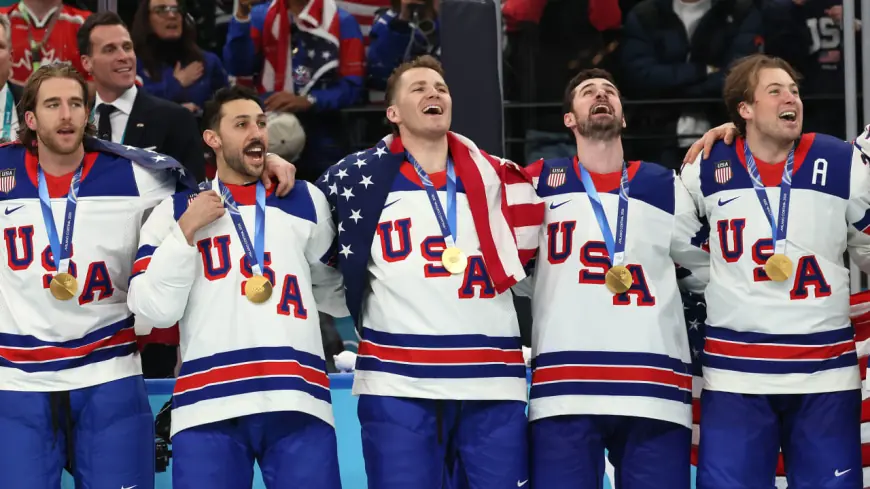
The U. S. gold and the tournament’s massive reach matter for the nhl standings not because of a single game, but because participation, travel and brief absences create immediate ripple effects across rosters and schedules. With dozens of league players returning from the Olympics and several U. S. medalists expected at a high-profile Washington event, teams face short-term lineup disruption that can alter points runs and momentum as the regular season resumes.
Nhl Standings: short-term shifts, momentum swings and why they’ll matter
Here’s the part that matters: when top players miss or arrive late to club duties, even a handful of games can tilt tight standings races. The tournament drew heavy attention and put 147 league players on ice for their countries; that concentration of talent at the Games means multiple teams will deal with condensed recovery and travel logistics at the same time. Expect uneven availability across several clubs over the next week, which could translate to unexpected results that show up in the nhl standings before rosters normalize.
What’s easy to miss is that exposure from the Olympics doesn’t convert to a direct, immediate bump in team points — it changes player fatigue, chemistry and short-term depth, the variables that often decide one-goal games. The real test will be how quickly teams integrate returning players and manage minutes for those who logged heavy tournament workloads.
What happened at the Olympics and the specific effects on teams and schedule
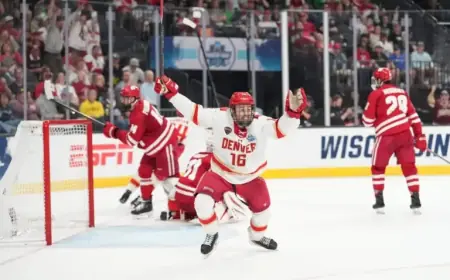
The Milano Cortina tournament returned top-tier league players to the Olympic stage for the first time since 2014. The U. S. won the men’s gold with an overtime game-ending score, their first Olympic top finish since the 1980 team. That final drew exceptionally large U. S. viewership, recorded at 20. 7 million across national outlets, making it the most-watched sporting event to begin before 9 a. m. ET in U. S. history. Players in NHL club camps and practicing ahead of the league’s resumption were following the tournament closely while coaches balanced immediate club preparations.
- Number of league players participating: 147 (from the information released about the tournament).
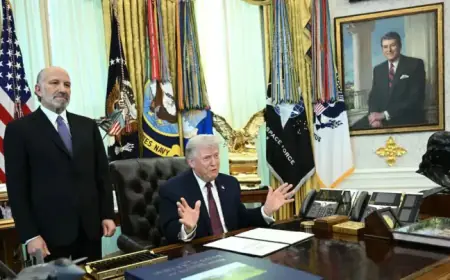
- U. S. Olympic roster note: 20 U. S. players were expected to attend a Washington event tied to the team’s win; several of those players are on teams scheduled to play soon after.
- Availability pinch point: of those 20, seven were on teams with games the following Wednesday, creating potential gaps for clubs in the near term.
League leaders emphasized a desire to get players back to club duty quickly while respecting players’ decisions about national-team honors. The league has previously confirmed arrangements to participate in future Games, but acknowledged persistent operational challenges around pausing the regular season — an issue that resurfaces every time Olympic participation is on the table.
- Tournament significance: first Olympics with league players in more than a decade, delivering heightened global exposure for the sport.
- Immediate risk: roster disruptions and travel-related fatigue that can alter competitive balance for a short stretch.
- Longer signal: the event reinforced interest in international play but also highlighted the recurring tension between club schedules and Olympic windows.
Key takeaways:
- Expect short-term variability in results as clubs absorb returning Olympians and manage minutes.
- Teams with deeper rosters or fewer Olympians may gain a temporary edge in points accumulation.
- Heavy minutes for tournament standouts could prompt conservative usage early in the next club game or two.
- Broad viewership increases may strengthen long-term growth signals for the sport even if immediate standings impact is uneven.
The bigger signal here is that the Olympics can reshape a season’s micro-rhythm without changing the underlying competitive order overnight; small scheduling shocks often compound when several clubs experience them simultaneously.
If you’re wondering how this will play out on the leaderboard: monitor early results over the next handful of games and note which teams report late arrivals or roster adjustments — those will be the clearest indicators that the Olympic window has nudged the standings. Recent updates indicate the U. S. team was expected to attend a congressional event in Washington; details may evolve.